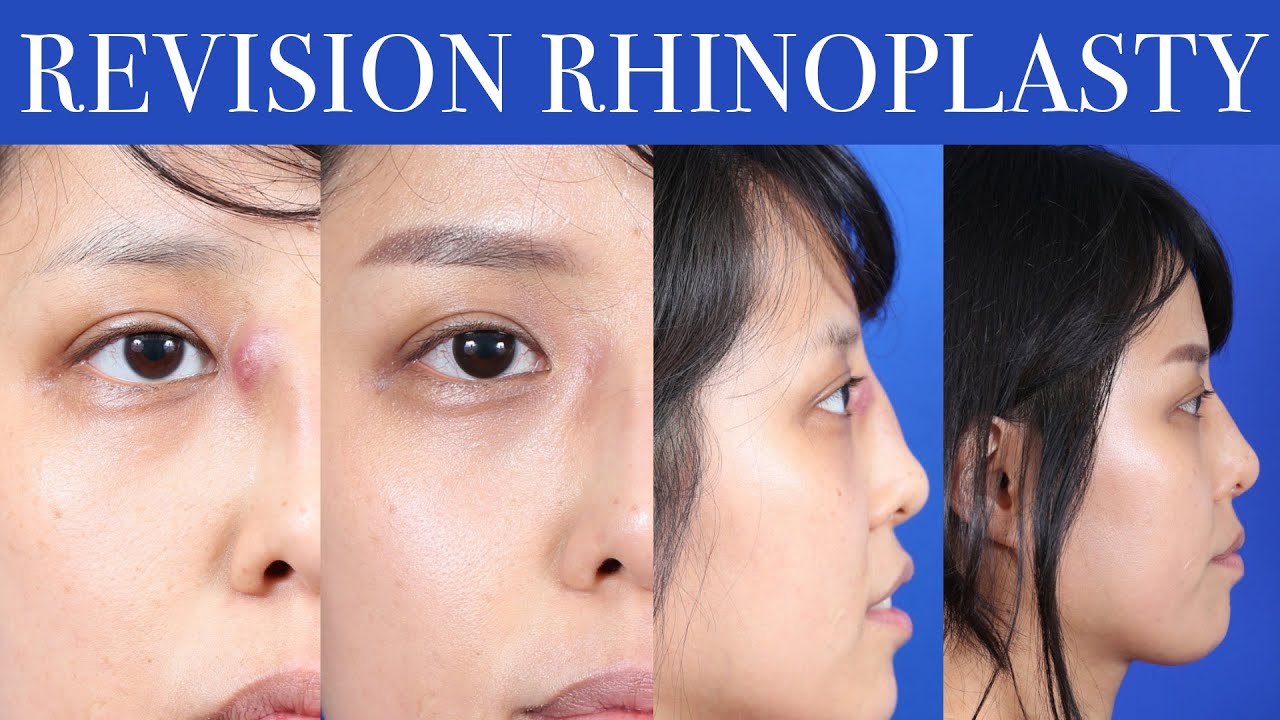
Revision Rhinoplasty
in NYC: Correct &
Refine with Dr. Mourad
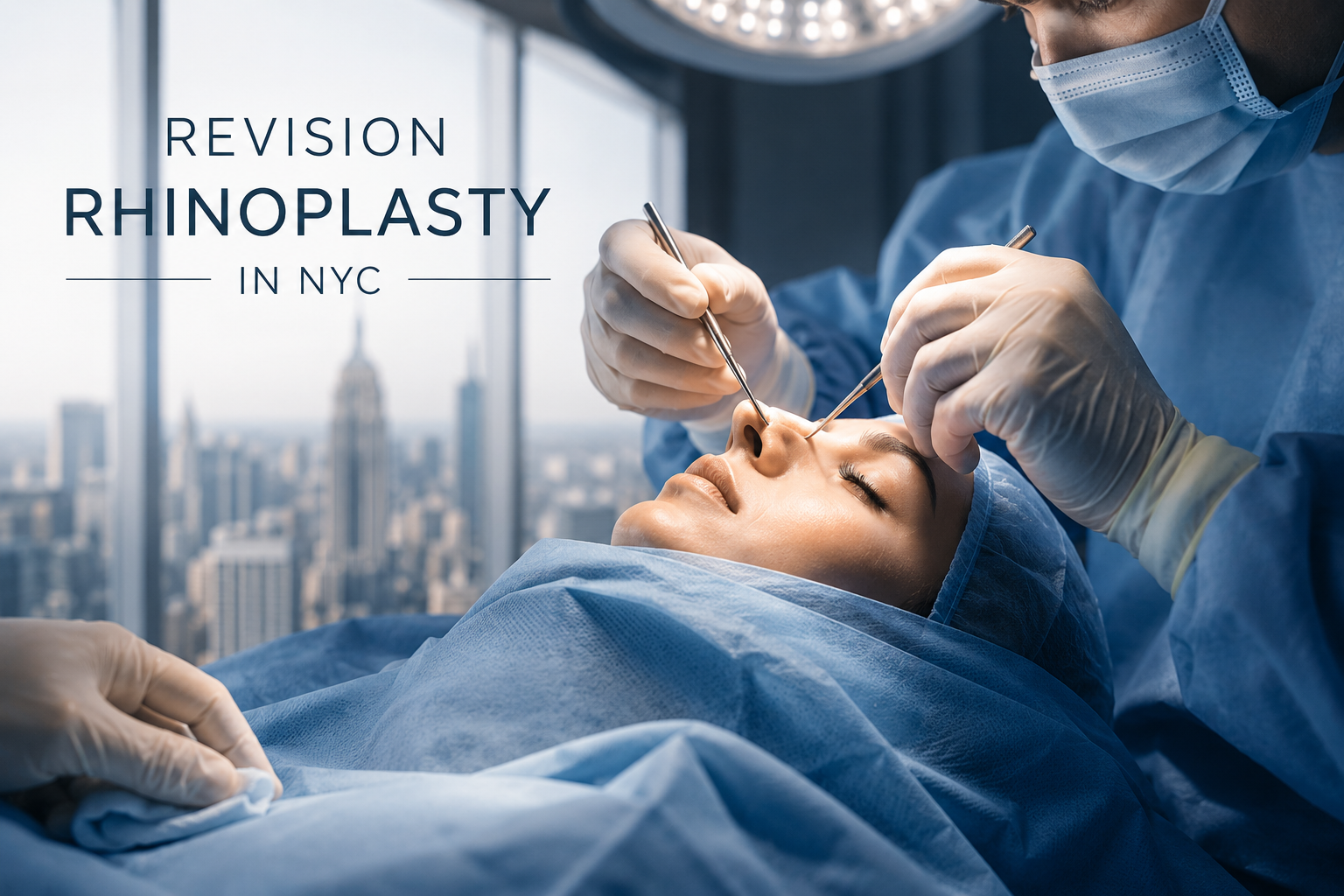
When a previous rhinoplasty didn’t deliver the results you hoped for, expert revision surgery can restore both form and function. Dr. Mourad handles the cases others say can’t be fixed.
Performed
Dual Board-Certified
Facial Plastic & Reconstructive Surgery and Otolaryngology
AAFPRS Director
American Academy of Facial Plastic & Reconstructive Surgery
Textbook Author
Academic author in facial plastic surgery literature
923 Fifth Avenue
Suite 1A, Manhattan — Upper East Side, New York City
Expert Care
Correct and Refine Your Nose with Expert Revision Rhinoplasty
In my nearly decade-long Manhattan practice, I’ve seen a recurring theme: patients come to me not because they want a new nose, but because they want their nose to look natural, functional, and in harmony with their face. If you’ve had a previous rhinoplasty that left you unsatisfied or struggling with breathing issues, you’re not alone.
Revision rhinoplasty is a complex procedure — one that requires a surgeon who not only understands the intricacies of nasal anatomy but also appreciates the emotional weight of your concerns. My dual board certifications in Facial Plastic Surgery and Otolaryngology provide a comprehensive approach to each case, ensuring both aesthetic refinement and functional improvement.
Revision rhinoplasty, also known as secondary rhinoplasty, is a surgical procedure aimed at correcting or refining the results of a previous nose surgery. The challenges often involve working with altered nasal anatomy and existing scar tissue. My focus is always on achieving results that look natural and restore function — an approach detailed in my academic textbook on Facial Plastic Surgery.
Many patients arrive after being told elsewhere that nothing can be done about their previous result. Often, that simply isn’t true. I am frequently sought out for cases that require a nuanced understanding of nasal anatomy and specialized surgical skill.
Why Surgeons Refer Their Most Challenging Cases to Me
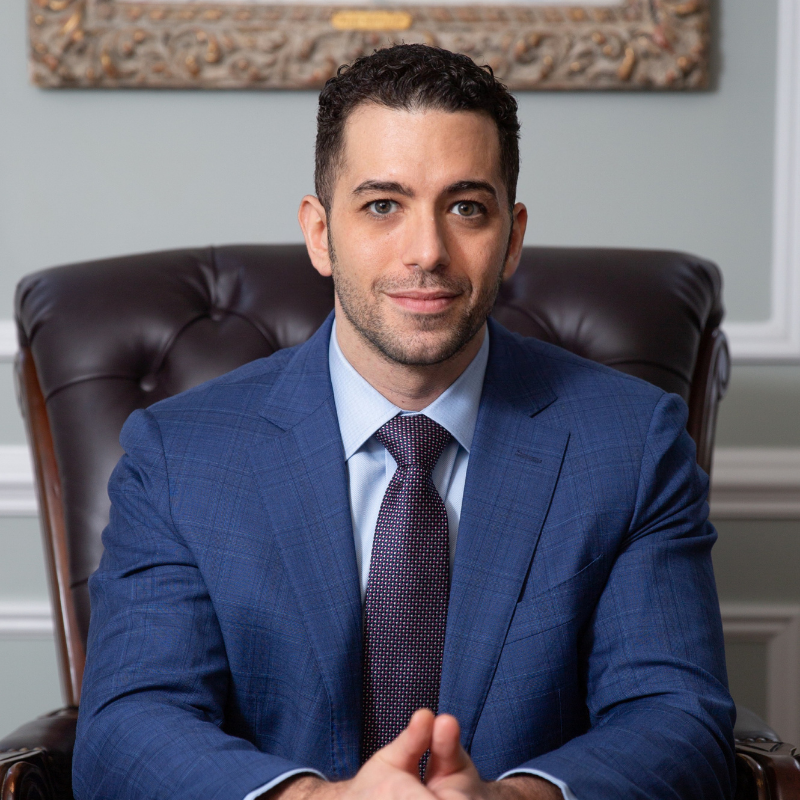
A Specialist in the Cases Others Won’t Take
Revision rhinoplasty demands something beyond ordinary surgical skill — it requires a surgeon who can navigate scarred, altered anatomy while simultaneously addressing aesthetic and breathing concerns. Patients come to me, and other surgeons refer to me, precisely because I bring a comprehensive perspective that integrates form and function.
As a dual board-certified surgeon in both Facial Plastic & Reconstructive Surgery and Otolaryngology, I treat the nose as a whole. My ENT background means I can address not just the external appearance, but also the internal structures affecting breathing — a dual focus that sets my practice apart.
My leadership role as AAFPRS Director keeps me at the forefront of surgical advancement. Textbook authorship and peer-reviewed research have deepened my understanding of what is and isn’t possible in revision cases. When you come to my Manhattan practice, you’re getting a surgeon who has spent a career mastering these exact challenges.
My philosophy centers on structural refinement and preservation of identity. The goal is never to make you look “done” — it’s to make you look like yourself, only better, and to breathe easily doing it.
- Dual Board-Certified: Facial Plastic Surgery & Otolaryngology
- AAFPRS Director — leading surgical innovation nationally
- Specialist in complex revision and multi-surgery cases
- 3D imaging used in every consultation for result visualization
- Trusted by other surgeons for the most difficult referrals
Who Is a Good Candidate for Revision Rhinoplasty?
Patients who come to me for revision rhinoplasty often express concerns about breathing difficulties or dissatisfaction with their nose’s appearance. Understanding whether you’re a good candidate requires an honest, expert evaluation of anatomy, history, and goals.
Functional Issues
Those experiencing nasal obstruction due to a collapse or weakening of nasal structures — often feeling like they’re not breathing as easily as they should — are strong candidates for functional revision work. My dual board certification means I address both form and airflow simultaneously.
Aesthetic Concerns
Patients who notice asymmetry or a crooked nose, or those who feel their first surgery resulted in excessive or insufficient reduction, are ideal candidates for aesthetic revision. Common concerns include bumps, depressions, a pinched tip, or a collapsed nasal valve.
Prior Surgery Complications
Issues such as scar tissue formation, over-resected cartilage, or an unnatural-looking outcome from previous work can all be addressed. Ethnic rhinoplasty revisions require special consideration to preserve cultural and hereditary characteristics while achieving the desired refinement.
Anatomical factors such as skin thickness, bone structure, and prior surgical history all play a crucial role. I prioritize honesty and transparency in consultations — ensuring each patient understands their unique situation and realistic potential outcomes.
Revision Rhinoplasty Gallery
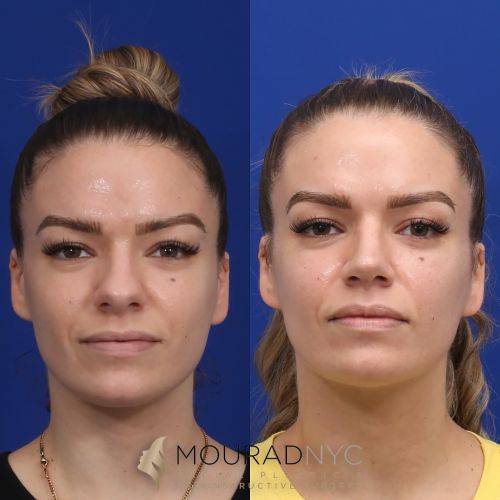
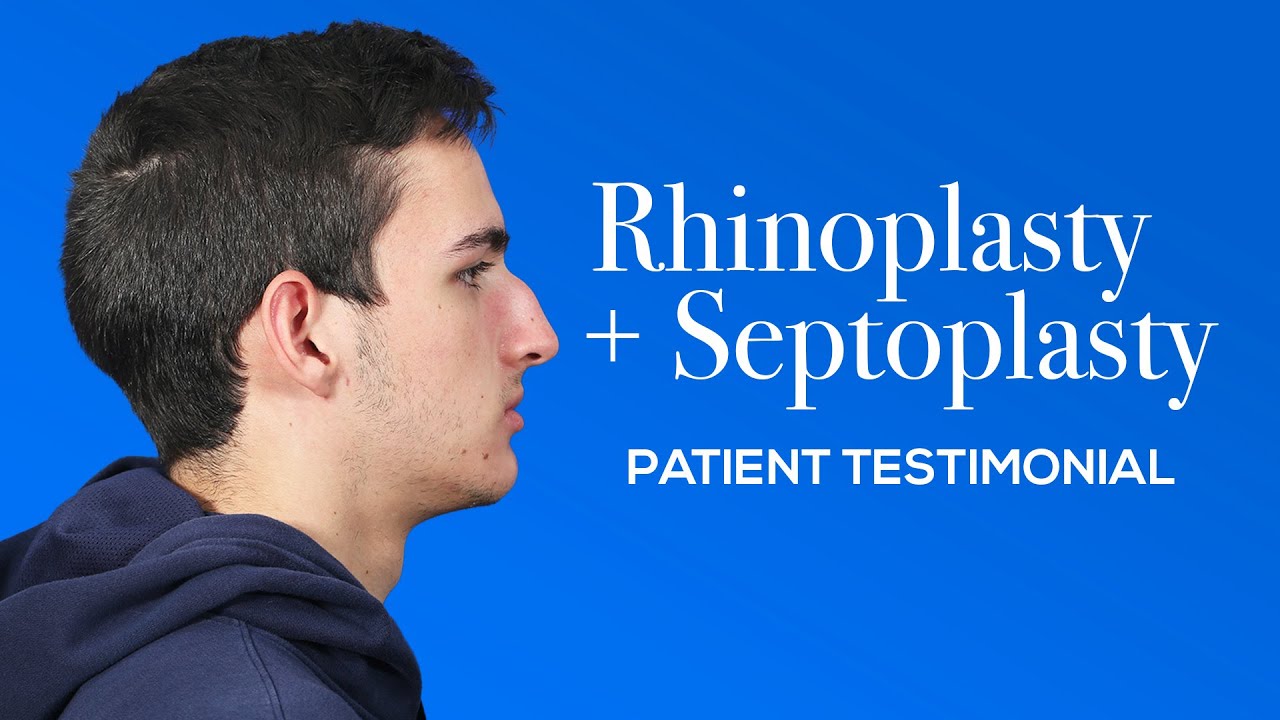
Real results from real patients. Each revision case is uniquely complex — tailored to individual anatomy, history, and goals.
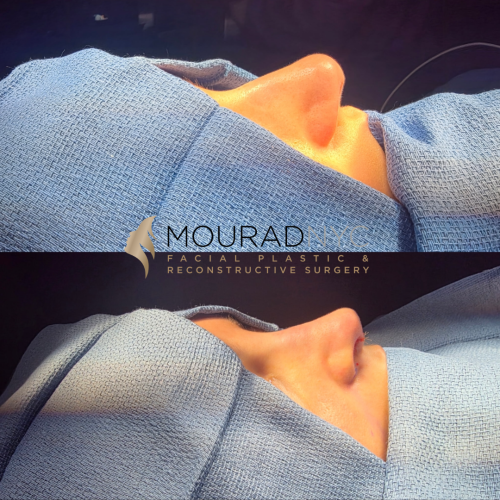
Female Rhinoplasty
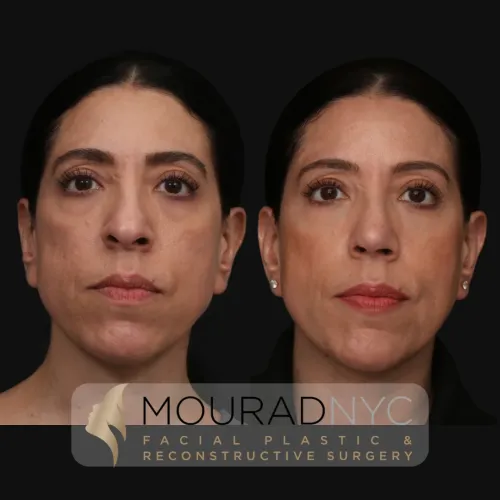
Female 30s Rhinoplasty
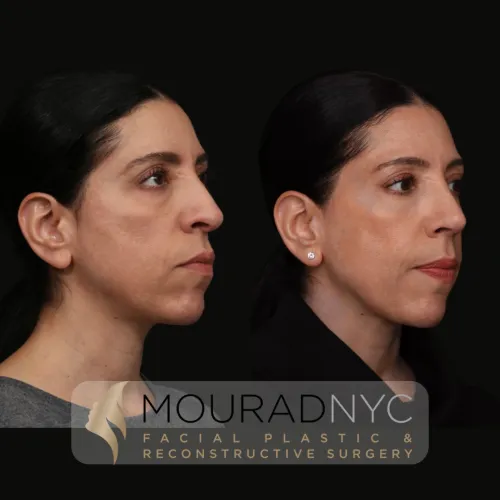
Female 30s Rhinoplasty
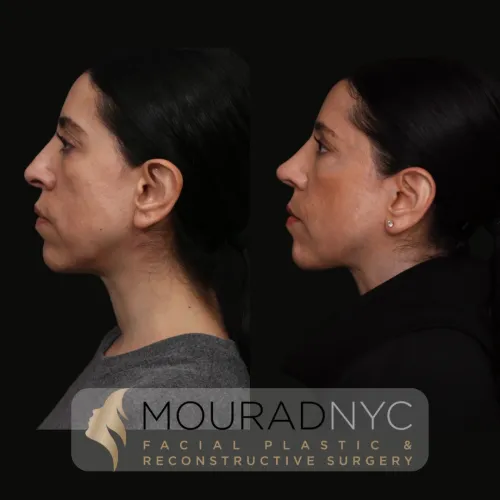
Female 30s — Deviated Spectrum
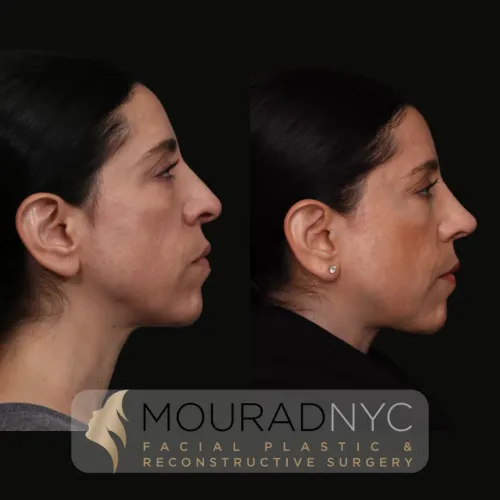
Rib Graft Rhinoplasty
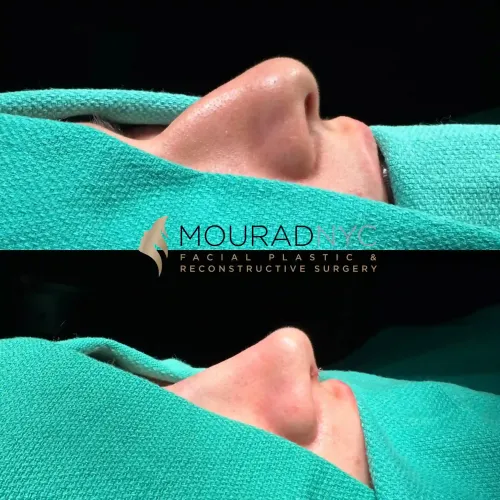
Female 20s Rhinoplasty
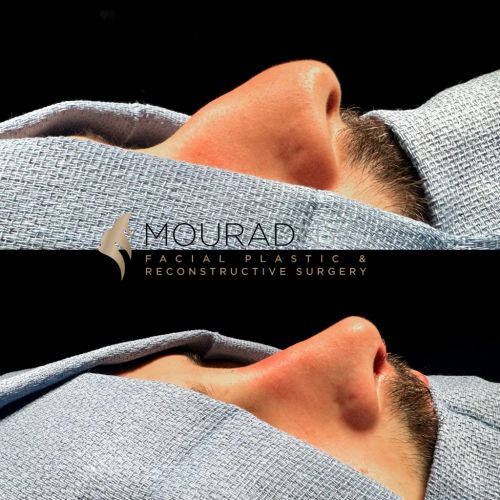
Male Rhinoplasty / Septoplasty
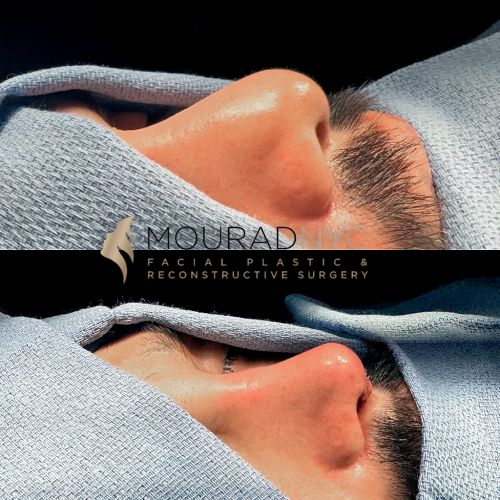
Major Revision Rhinoplasty
Not sure if revision rhinoplasty is right for you?
Book a no-commitment consultation and get an honest, expert opinion.
Types of Revision Rhinoplasty
Revision rhinoplasty is not a single procedure — it’s a spectrum of solutions tailored to the specific failures or limitations of prior surgery. In my practice, I encounter several distinct types of revision cases.
Functional Revision Rhinoplasty focuses on correcting issues that impede breathing, such as a deviated septum, collapsed nasal valve, or weakened structural support. Many patients don’t realize that a previous cosmetic surgery may have created functional problems that can be corrected.
Aesthetic Revision Rhinoplasty aims to refine the nose’s shape and symmetry, addressing concerns like bumps, depressions, asymmetry, or an over-rotated or under-projected tip that resulted from the primary procedure.
Ethnic Revision Rhinoplasty requires special consideration to preserve cultural and hereditary characteristics. My philosophy is one of respect and enhancement — celebrating diversity, not erasing it, while achieving the desired aesthetic or functional improvements.
Complex Revision Cases involving multiple prior surgeries, rib graft reconstruction, or extensive scar tissue are a specific area of expertise. These are the cases other surgeons refer to me, and where my dual board training provides the greatest advantage.

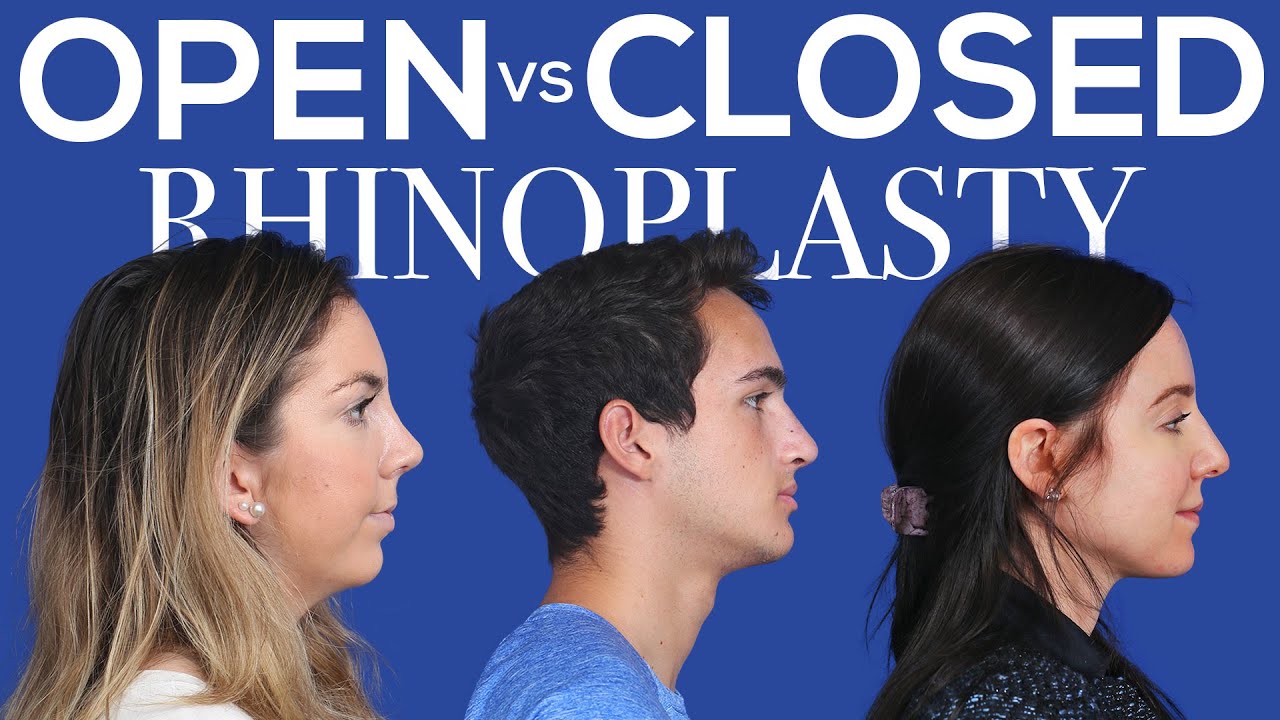
Open vs. Closed: Choosing the Right Technique
The choice between open and closed rhinoplasty techniques in revision cases depends on the specific needs of the patient. In my experience, most complex revision cases benefit from the open approach.
The open rhinoplasty technique involves a small incision on the columella, providing full visibility of the nasal structures. This approach is often necessary in revision surgery because it allows unparalleled access to altered anatomy, scar tissue, and compromised cartilage. It’s particularly essential when structural reconstruction — such as rib grafting — is required.
The closed rhinoplasty approach, with incisions confined entirely inside the nostrils, may be suitable for select minor revision adjustments. The recovery tends to be faster with reduced external swelling — but in most revision cases, the complexity of the anatomy simply requires greater surgical access.
The decision is never one-size-fits-all. I use advanced 3D imaging tools to help visualize potential outcomes and guide the approach collaboratively with each patient. While an open rhinoplasty involves an external incision, the scar typically heals exceptionally well and becomes barely noticeable over time.
What to Expect During Your Revision Rhinoplasty Consultation
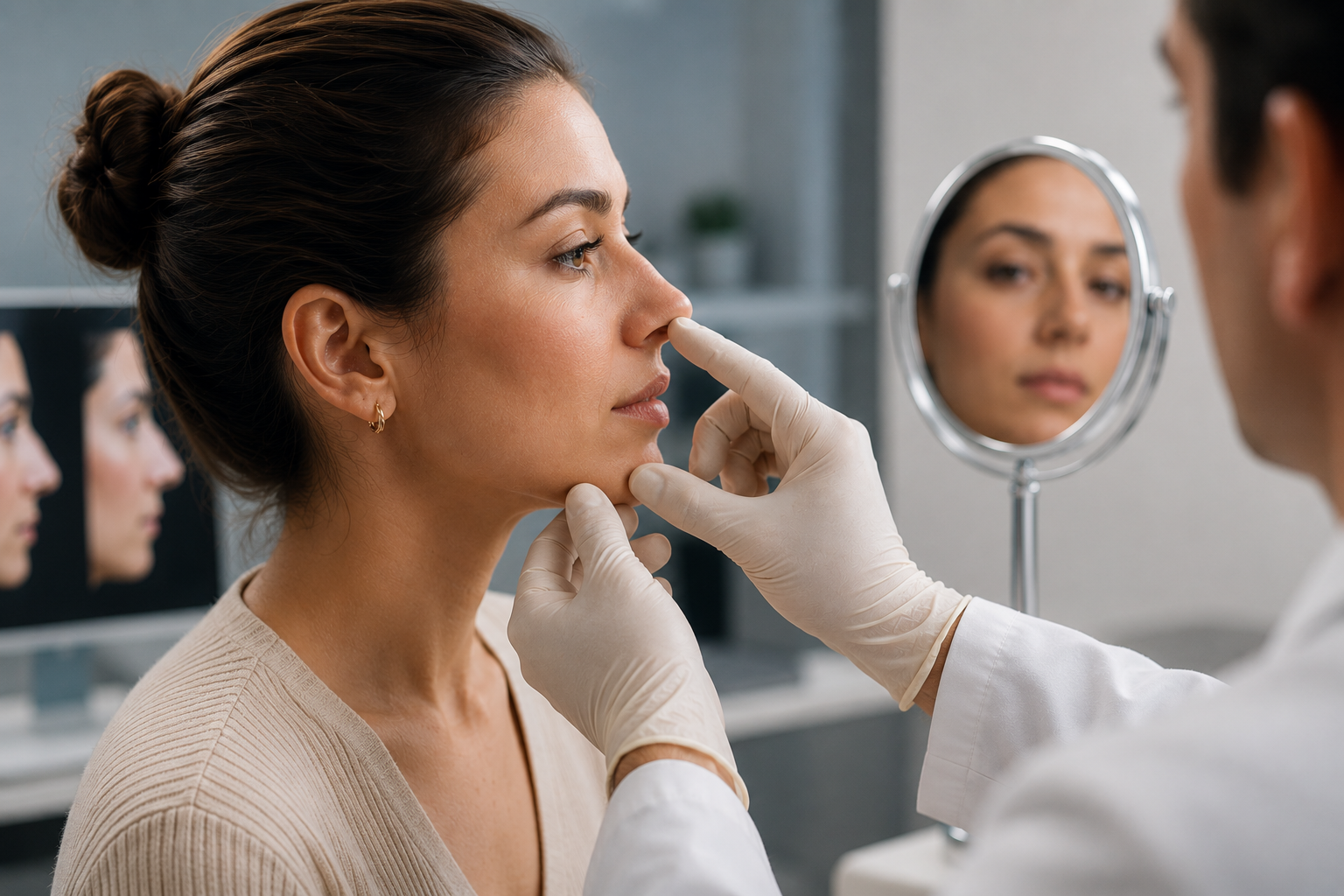
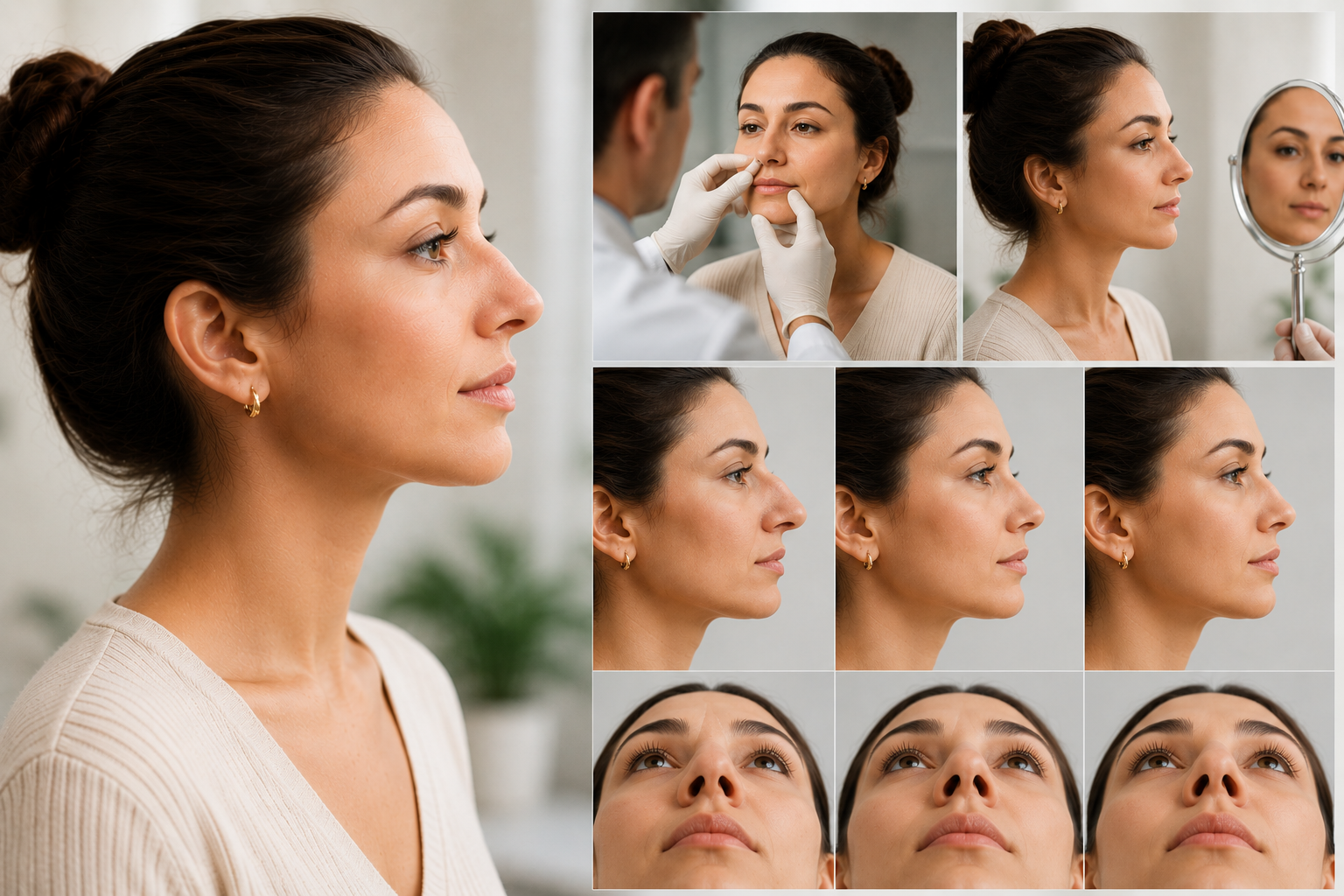
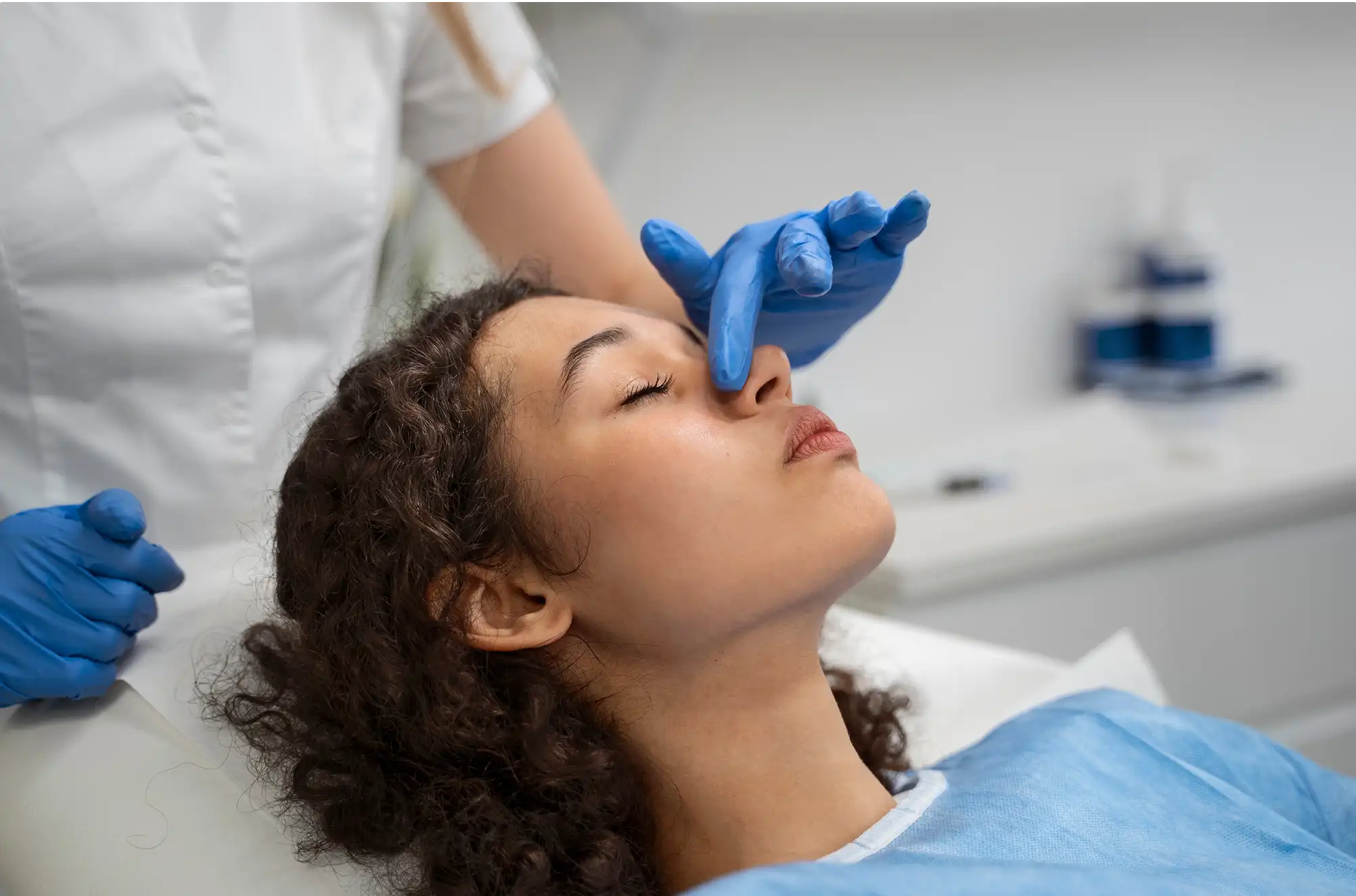
The consultation for revision rhinoplasty is unlike that of a primary case. This meeting is a detailed clinical assessment — not a sales conversation — where we explore what happened in your previous surgery, what went wrong, and what is realistically achievable going forward.
When you first step into my office, I want to hear your story: your original goals, what you were told to expect, and how the reality differed. This history is invaluable in planning the revision. We’ll begin with a thorough medical history assessment, including details of your prior surgery or surgeries.
Advanced 3D imaging technology plays a central role in revision consultations. I can show you potential outcomes, helping to align your expectations with what is anatomically and surgically realistic. For those considering revision after multiple prior surgeries, this step is especially important.
We will also discuss the practical aspects of recovery — what it looks like compared to your previous experience, how long before you return to your daily routine, and what to expect in the months following surgery. My commitment is to support you every step of the way, with complete transparency about what I can and cannot achieve.
The Revision Rhinoplasty Procedure: Steps and Techniques
Revision rhinoplasty is performed under general anesthesia and can take several hours, depending on the complexity of the case. The surgery involves reshaping cartilage, bone, and tissue — often working around or through existing scar tissue — to achieve the desired outcome.
My experience as a textbook author and peer-reviewed researcher informs my meticulous approach. In revision cases especially, I emphasize structural refinement rather than aggressive reduction — ensuring the preservation of your natural identity while correcting what went wrong the first time.
Rib grafting is a common technique in complex revision cases. Using cartilage from your own rib to rebuild or reinforce the nasal framework, this approach provides long-term structural stability when existing cartilage has been depleted by prior surgery. It is one of my most-used tools in major revision cases.
Septorhinoplasty is often incorporated when breathing has been compromised. My ENT background provides a comprehensive understanding of nasal function, ensuring that aesthetic improvements and airflow restoration are addressed simultaneously in a single procedure.
Ultrasonic rhinoplasty techniques — utilizing high-frequency sound waves to sculpt bone with minimal trauma to surrounding tissue — can also be employed in revision cases to reduce swelling, bruising, and recovery time compared to traditional methods.
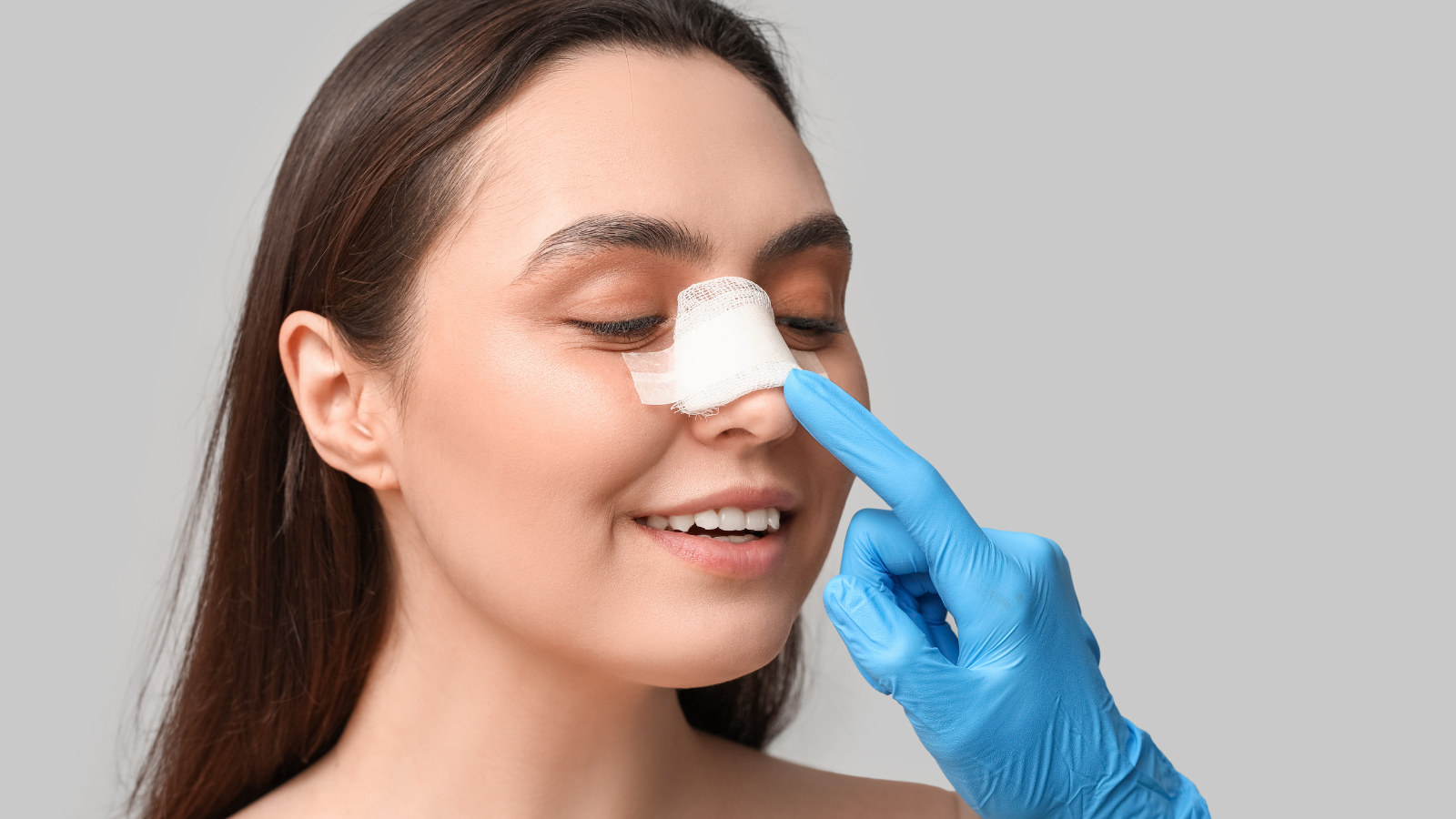
As the procedure concludes, meticulous suturing ensures optimal healing and minimal scarring. You’ll awaken with a protective splint in place, designed to support the nose as it begins the healing process.
Ready to take the next step toward a better result?
Patients from the tri-state area and beyond trust Dr. Mourad for transformative revision outcomes.
Recovery Timeline: What to Expect After Revision Rhinoplasty
Day 1: Immediate Post-Operative Phase
You’ll wake in a recovery room with a protective splint on your nose. Swelling and bruising around the eyes and nose are common, often more pronounced than after a primary rhinoplasty. Applying cold compresses and keeping your head elevated helps minimize these effects.
Days 2–7: Rest and Monitoring
This period is marked by the peak of swelling, and you may have a splint or packing to support the nose. You’ll have a follow-up appointment within the first week for progress monitoring. Severe pain should always be reported — discomfort is expected, but pain is managed with prescribed medications.
Weeks 2–4: Gradual Return to Normalcy
Swelling begins to subside and bruising fades. Many patients feel comfortable returning to work or light activities after two weeks, with exercise restrictions still in place. Social downtime is advised as your appearance continues to settle and change.
Months 1–3: Early Results Emerge
By the one-month mark, the majority of visible swelling has diminished and the early shape of the revision becomes apparent. You can gradually resume more activity. Protect your nose from direct sunlight and wear sunscreen to prevent pigmentation changes in healing skin.

Long-Term Healing: Six Months to a Year
Revision rhinoplasty recovery is typically more involved than a primary procedure. Over the next six to twelve months, your nose will continue to refine as swelling fully resolves and the tissues settle into their final position. Patience is essential — the best revision results reveal themselves gradually.
Follow-up appointments remain an integral part of the journey. These visits allow us to track your progress, address any concerns, and document the transformation. I remain available to support you throughout the entire healing arc, not just in the first weeks.
Understanding the Value of Revision Surgery
Revision rhinoplasty represents a significant investment — in time, in recovery, and financially. In my practice, transparency is paramount. We discuss all aspects of the procedure, including the financial commitment, so you can make an informed decision without surprises.
The goal is not just correction, but enduring results that enhance your quality of life for years to come. Better breathing, renewed confidence, and a nose that finally harmonizes with your face — these are outcomes that genuinely change lives.
When Revision Rhinoplasty May Not Be Right for You
Revision surgery is not for everyone, and honesty is at the core of my practice. There are circumstances under which proceeding would not serve your best interests — and I will always tell you so.
Timing matters significantly. It is essential to wait until the nose has fully healed from the prior surgery — typically at least one year, sometimes longer in complex cases — before undertaking revision. Operating on tissue that is still healing increases risk and compromises outcomes.
Those with body dysmorphic disorder or unrealistic expectations are generally not suitable candidates. Surgery is not a solution for emotional distress or self-esteem issues unrelated to genuine anatomical concerns. I always encourage a healthy mindset before proceeding.
Uncontrolled medical conditions such as diabetes or hypertension, active smoking, or significant life stressors can complicate both surgery and recovery. Your safety is my first priority, and a thorough pre-surgical medical evaluation is always part of our process.
If you’ve had multiple prior surgeries, the anatomy may be severely compromised. In some cases, staged procedures or non-surgical options may be a better first step. I will always give you my honest clinical assessment.
What Our Patients Say
Frequently Asked Questions
Honest, expert answers to the questions Dr. Mourad hears most often about revision rhinoplasty — because an informed patient makes the best decisions.
Contact Us- What is the typical recovery time for revision rhinoplasty?
Recovery varies, but most patients return to normal activities within two weeks. Full results can take up to a year to settle, sometimes longer in complex cases.
- Can revision rhinoplasty correct breathing issues?
Yes, it can significantly improve nasal function by addressing structural problems such as a collapsed nasal valve, deviated septum, or weakened nasal framework from prior surgery.
- How do I know if I’m a candidate for revision rhinoplasty?
A thorough consultation will help determine your candidacy based on your goals, anatomy, prior surgical history, and overall health.
- Is revision rhinoplasty more complex than the initial surgery?
Yes, revision rhinoplasty often involves working with altered anatomy and scar tissue, requiring highly specialized expertise. It is widely considered the most technically demanding procedure in facial plastic surgery.
- What makes Dr. Mourad’s approach unique?
My dual focus on cosmetic and functional outcomes, combined with dual board certifications, AAFPRS leadership, and a decade of specialized practice, sets my approach apart. Other surgeons routinely refer their hardest revision cases to me.
- How long do I need to wait after a previous surgery?
It is generally recommended to wait at least 12 months after a previous rhinoplasty before considering revision. In complex cases, waiting longer allows the tissue to fully heal and the anatomy to stabilize.
- Will I look drastically different after revision surgery?
My goal is to enhance your features while preserving your natural identity — correcting what went wrong and harmonizing the nose with your face, without an artificial or “done” appearance.
- How soon can I see results?
Initial changes are visible within weeks as swelling subsides, but full results typically take up to a year and sometimes longer in revision cases involving significant reconstruction.
- What if I’ve had multiple previous surgeries?
Each case is unique, but many patients with multiple prior surgeries can still benefit from revision. These complex cases are a specific area of expertise in my practice, and are often the cases I’m sought out for.
- Is rib grafting always necessary?
Not always. Rib grafting is typically needed when existing cartilage has been depleted by prior surgery and structural reconstruction is required. We discuss all grafting options during your consultation.
- Do you offer virtual consultations?
Yes, we provide virtual consultations for convenience and to accommodate out-of-town and international patients. In-person evaluation will be necessary before surgery, but a virtual consult is an excellent first step.
- What are the risks specific to revision rhinoplasty?
Prolonged swelling, scarring, asymmetry, and breathing changes are specific concerns. My extensive experience in complex cases helps minimize these risks. We discuss all potential complications in detail during your consultation.
- How do ethnic considerations factor in?
Ethnic revision rhinoplasty requires special consideration to preserve cultural and hereditary characteristics while achieving aesthetic goals. My philosophy is one of respect and enhancement — celebrating diversity, not erasing it.
- How do I schedule a consultation?
The most important step is a detailed, expert evaluation. Contact my Manhattan office to schedule your in-depth consultation, or book online through our appointments page.

The Most Important Step: Your Expert Consultation
In my Manhattan practice, the most critical step is a detailed evaluation. This clinical assessment is not a sales conversation — it’s a genuine exploration of your history, your goals, and what your anatomy will realistically allow. Patients from across the tri-state area and internationally trust me for this precise, personalized approach.
If you’re considering revision rhinoplasty in NYC, I invite you to experience this expert evaluation process. Together, we’ll understand what went wrong, assess your anatomy, and determine what is realistically achievable while preserving your natural identity.