
Double Board Certified · Functional Sinus Care
Sinus Infection — diagnose accurately, treat appropriately.
Sinus infection (sinusitis) is one of the most common — and most frequently mismanaged — reasons patients seek care. Effective treatment depends on…
ABFPRS
Facial Plastic & Reconstructive Surgery
ABOto
Otolaryngology — Head & Neck Surgery
AAFPRS
Fellowship Director
In Consultation
"Many patients labelled with "chronic sinus infections" actually have something else entirely. The first job is the right diagnosis."

A Note from Dr. Mourad
"Sinus infection (sinusitis) is one of the most common — and most frequently mismanaged — reasons patients seek care. Effective treatment depends on distinguishing acute from chronic, viral from bacterial, and infectious from non-infectious causes."
— Dr. Moustafa Mourad, MD
Overview
What is a sinus infection?
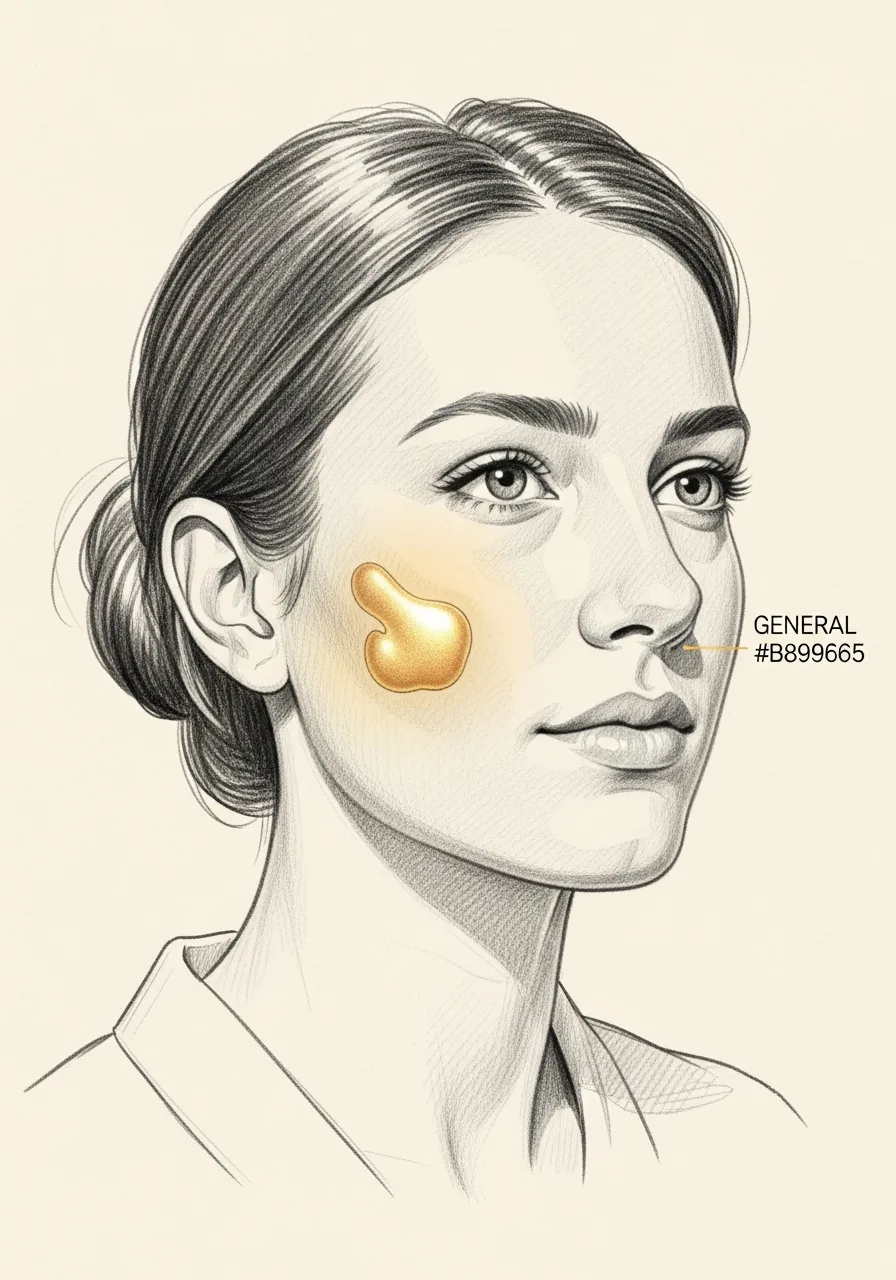
A sinus infection — sinusitis — is an inflammation of the lining of one or more paranasal sinuses, the air-filled cavities behind the cheeks, between the eyes, and in the forehead. It is classified by duration: acute (less than four weeks), subacute (four to twelve weeks), and chronic (twelve weeks or longer).
The vast majority of acute sinus infections begin as viral upper-respiratory infections; only a small proportion go on to develop a true bacterial infection. Symptoms commonly include facial pressure, nasal obstruction, discolored discharge, post-nasal drip, reduced sense of smell, and sometimes fever or dental pain.
Most acute episodes resolve with supportive treatment — saline irrigation, decongestants, intranasal steroids, and time. Antibiotics are reserved for cases that meet specific criteria for a bacterial cause. Recurrent or persistent infections deserve evaluation for an underlying anatomic, inflammatory, or dental driver.
Key takeaways
- A sinus infection (sinusitis) is inflammation of the lining of the paranasal sinuses.
- It is classified by duration — acute (under four weeks), subacute, and chronic (twelve weeks or more).
- Most acute infections are viral; only a small share become truly bacterial.
- Most acute episodes resolve with supportive care, with antibiotics reserved for specific criteria.
- Recurrent or persistent infections deserve evaluation for an underlying driver.
An Established Academic Authority
Double board certification. Fellowship director. Published author. A surgeon's surgeon.
ABFPRS
Board Certified
American Board of Facial Plastic & Reconstructive Surgery
ABOto
Board Certified
American Board of Otolaryngology — Head & Neck Surgery
AAFPRS
Fellowship Director
American Academy of Facial Plastic and Reconstructive Surgery
Textbook
Published Author
Contributions to the academic literature of facial plastic surgery
Dual board certification in both Facial Plastic & Reconstructive Surgery and Otolaryngology — Head & Neck Surgery.
Castle Connolly Top Doctor — Plastic Surgery, 202602 · Symptoms
How this condition typically presents.
Three patterns are most common. Patients often recognise themselves in one or more of these.
I
Facial Pressure & Pain
Localised pressure or pain over the affected sinus — most commonly the cheek, forehead, or between the eyes.
II
Nasal Obstruction & Discharge
Congestion, thick discharge, and reduced sense of smell, often with post-nasal drip.
III
Persistent or Recurrent Symptoms
Symptoms that do not resolve within expected timeframes — or that keep recurring despite treatment.
03 · Anatomy
Acute vs chronic sinus infection.
The two are different diseases with different treatments. The duration of symptoms is the most important diagnostic variable.
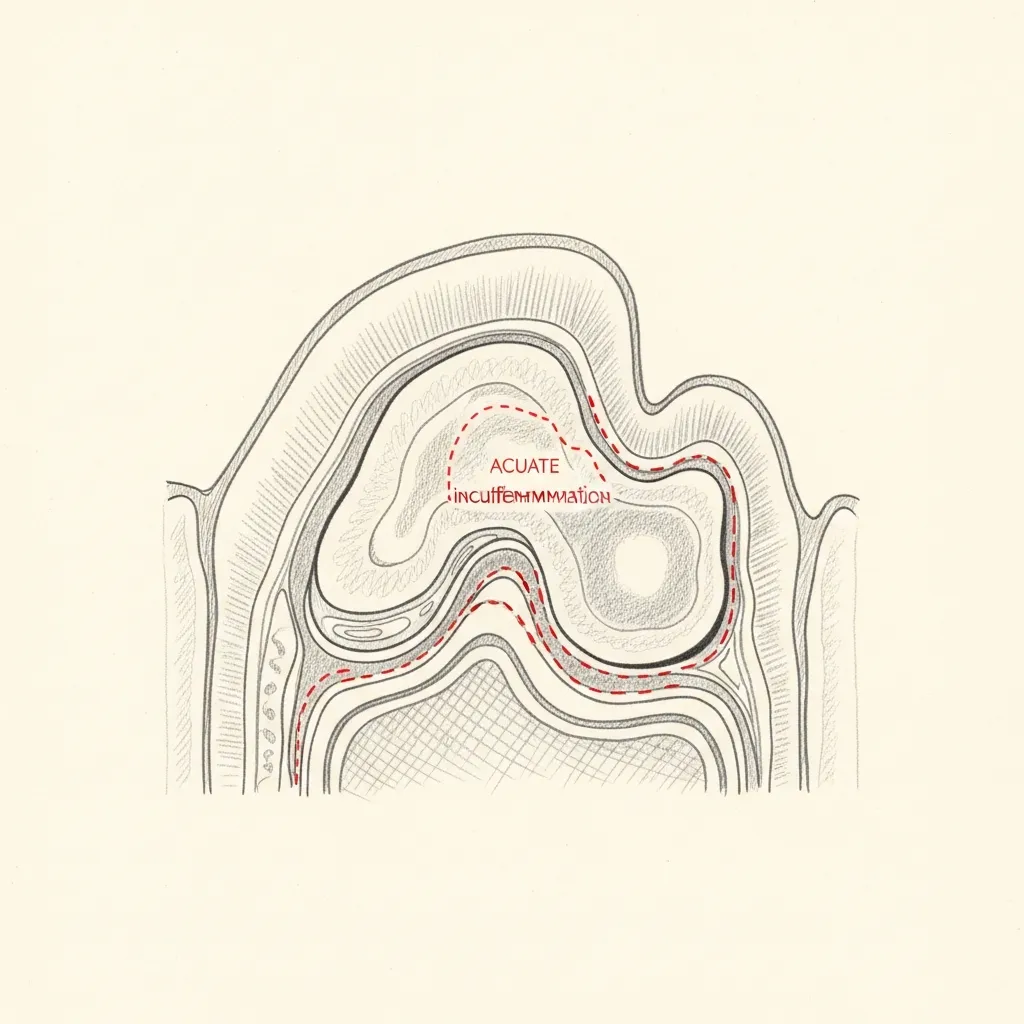
Acute
Less than 4 weeks
Acute sinusitis lasts less than 4 weeks — typically following a viral upper respiratory infection. Most cases resolve without antibiotics; a smaller proportion is bacterial and benefits from targeted therapy.
The right management depends on the pattern: viral cases get supportive care; bacterial cases get a deliberate antibiotic course.
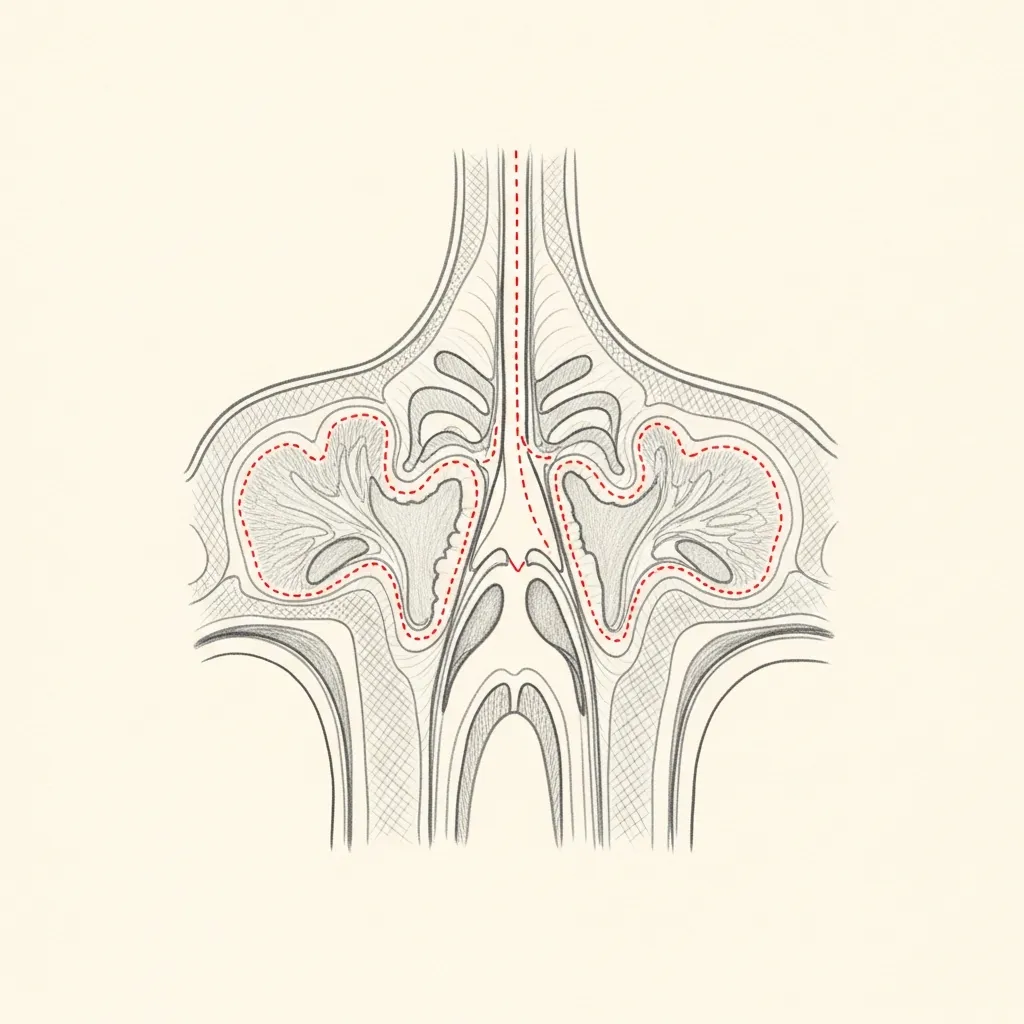
Chronic
More than 12 weeks
Chronic sinusitis lasts more than 12 weeks and is, more often than not, an inflammatory disease rather than an infectious one. Polyps may or may not be present.
Management is combined — medical therapy for the inflammation, and surgical intervention when medical therapy is inadequate or when correctable structural obstruction is identified.
Illustrative diagrams. The same symptoms can come from very different underlying processes.
04 · Diagnosis
How the diagnosis is made.
Diagnosis is clinical for the typical case — symptom pattern, duration, and trajectory are the key variables.
Nasal endoscopy is performed when symptoms are atypical, prolonged, or recurrent — and is often where the true cause is identified.
CT imaging is reserved for suspected complications, recurrent disease, or pre-operative planning.
05 · Treatment Options
Treatments matched to the diagnosis.
Treatment is individual. The right answer ranges from optimised medical therapy to a focused procedure to definitive surgery.

Targeted Medical Therapy
Saline irrigation, topical steroids, and selective use of antibiotics when bacterial infection is identified.
Learn More
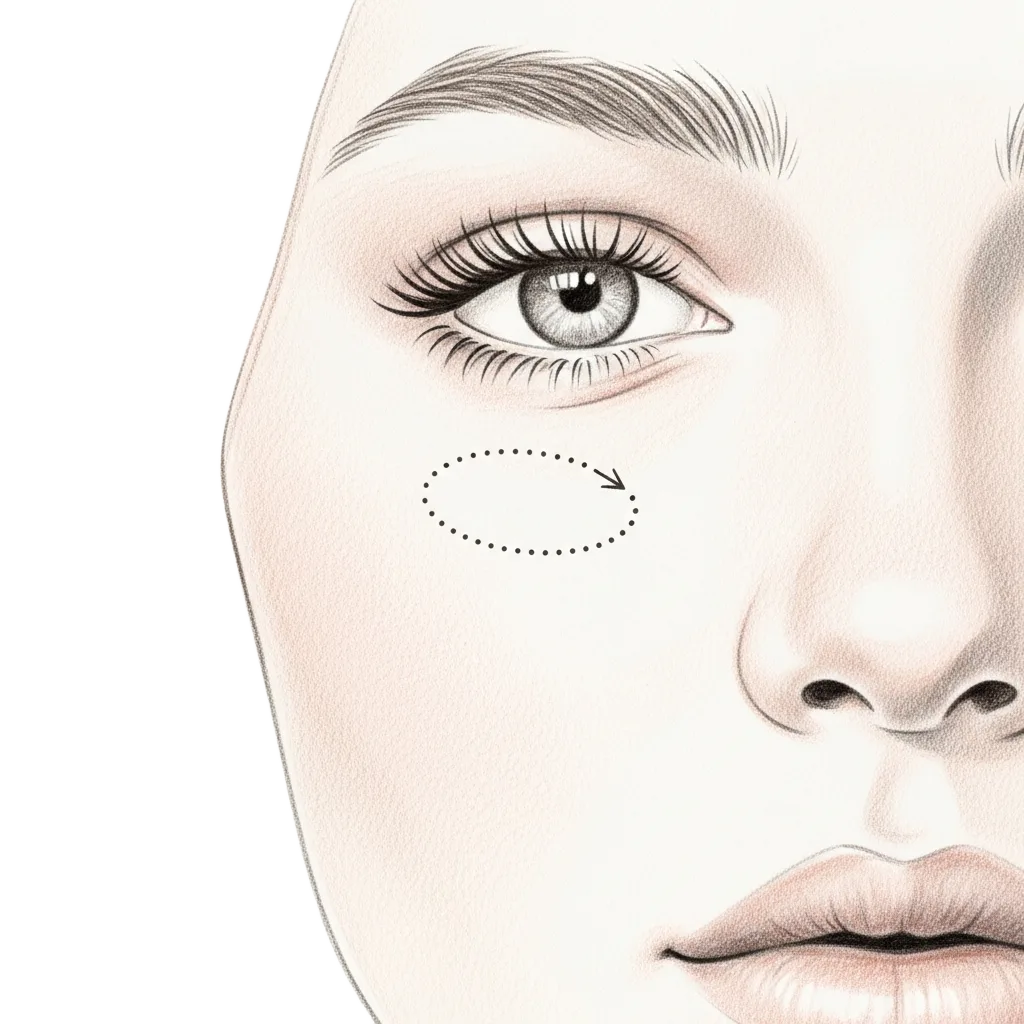
Balloon Sinuplasty
For recurrent disease when imaging shows correctable outflow obstruction.
Learn More
Endoscopic Sinus Surgery
For chronic or recurrent disease unresponsive to optimised medical therapy.
Learn More
01 · Why Dr. Mourad
Diagnosis first, treatment second.
Dr. Mourad is double board-certified in Facial Plastic & Reconstructive Surgery and in Otolaryngology — uniquely suited to evaluating both the structural and the inflammatory components of sinus disease.
In-office evaluation including nasal endoscopy clarifies what is and is not a true sinus infection.
Antibiotics are prescribed deliberately when appropriate, and avoided when they are not. Surgery is reserved for cases that warrant it.
When to Seek Care
When to seek care promptly.
Severe facial pain, high fever, or visual changes — these warrant urgent evaluation.
Significant facial swelling or redness around the eye — evaluate immediately.
Severe headache, neck stiffness, or change in mental status — evaluate immediately.
Symptoms not improving despite appropriate therapy within 5 to 7 days — return for re-evaluation.
Outlook
What to expect.
When the diagnosis is correct and the right treatment is applied, the outlook is generally good. Most patients describe meaningful improvement in symptoms and day-to-day function.
When symptoms persist despite treatment, the workup is re-opened. Persistent symptoms with no answer almost always mean the diagnosis is incomplete.

Living Well
Day-to-day measures that help.
Daily saline irrigation, control of indoor allergens, and good sleep hygiene meaningfully reduce day-to-day symptoms for many patients.
Medical therapy, when prescribed, works best when used consistently rather than as needed — this is one of the most common reasons treatment seems to fail.
Frequently Asked
Patient questions, honestly answered.
Seek ENT evaluation when symptoms persist beyond expected course, recur frequently, or cause functional impairment. Red flags include symptoms lasting more than 10 days without improvement, four or more distinct episodes within 12 months, repeated antibiotic courses, or nasal obstruction that affects sleep or breathing. An ENT assessment typically includes a focused history, office nasal endoscopy, and review of prior treatments to identify anatomic or inflammatory drivers. Request a consultation so Dr. Mourad can determine whether specialist testing or referral is appropriate.
Sinus symptoms arise from mucosal inflammation; common drivers are viral infection, secondary bacterial infection, allergic inflammation, structural obstruction, or dental (odontogenic) sources. Viral infections are most common and often improve within 7–10 days; persistent or worsening symptoms may suggest bacterial superinfection or another cause. Allergy or anatomic factors (deviated septum, large turbinates, polyps) predispose to recurrent or chronic disease by impairing drainage. Definitive classification requires history, endoscopic exam, and sometimes imaging or specialty testing to guide therapy.
Antibiotics are not routinely indicated for early uncomplicated viral rhinosinusitis; many guidelines recommend reserving antibiotics for persistent or worsening symptoms beyond about 10 days, or when features strongly suggest bacterial infection. Decision-making also depends on clinical severity, comorbidities, and prior treatment response; culture-directed therapy is preferred when available in recurrent or complicated cases. Dr. Mourad follows evidence-based stewardship principles and will recommend antibiotics only when an in-person evaluation supports their use.
Initial measures focus on restoring clearance and reducing inflammation: regular isotonic or hypertonic saline irrigations, topical nasal steroid sprays or rinses, and short courses of oral analgesics for symptom relief. Decongestants may offer brief symptomatic benefit but are not suitable for prolonged use. Prescription options are individualized and can include topical anti-inflammatory therapies or targeted antibiotics when indicated after evaluation. Arrange a visit so Dr. Mourad can tailor medical therapy to your exam and history.
Chronic rhinosinusitis is defined by symptoms persisting 12 weeks or longer despite appropriate initial therapy; recurrent acute sinusitis is commonly defined as four or more discrete episodes in 12 months. Chronic or recurrent patterns prompt escalation from short-term symptomatic care to structured medical optimization: saline irrigations, intranasal steroids for weeks to months, allergy assessment, and targeted antibiotics only when indicated. If symptoms persist after medical optimization, an ENT surgical evaluation is appropriate to determine whether procedures to restore drainage are indicated.
Structural abnormalities impair airflow and ostial ventilation, which can promote mucus stasis and recurrent infection. A deviated septum narrows passages and can limit topical therapy delivery; enlarged turbinates obstruct airflow and access to sinuses. Nasal polyps indicate diffuse inflammatory disease that often requires extended anti‑inflammatory medical therapy and may alter surgical strategy. Dr. Mourad evaluates these anatomic and inflammatory factors together to form an individualized treatment plan.
Office nasal endoscopy provides real‑time visualization of mucosa, purulence, polyps, and ostial patency and guides immediate management choices. Non‑contrast sinus CT maps anatomic detail and disease distribution and is standard when surgery is contemplated or when endoscopy is limited. If a recent high‑quality CT (within ~12 months) is available and symptoms are unchanged, repeat imaging may not be necessary. Dr. Mourad will choose tests that change management rather than ordering broad panels of studies.
Surgery is considered when appropriate medical therapy fails, when recurrent episodes significantly affect quality of life, or when imaging and endoscopy identify correctable anatomic drivers. Functional endoscopic sinus surgery (FESS) addresses diseased mucosa and restores drainage, while balloon sinuplasty dilates ostia in selected patients with focal obstruction and preserved mucosa. Septoplasty corrects septal deviation that contributes to obstruction, and turbinate reduction improves airflow and topical therapy delivery. Candidacy is individualized based on prior therapy, endoscopic findings, and CT anatomy; an in‑person consultation clarifies the optimal approach.
Recovery commonly spans 1–4 weeks for most daily activities, with early nasal congestion, blood‑tinged drainage, and crusting that improves over time. Typical postoperative care includes saline irrigations starting within 24–48 hours, short analgesic courses, and 1–3 early office debridement or inspection visits. Risks include bleeding, infection, altered smell, and, rarely, orbital or intracranial complications; Dr. Mourad will review individualized risks based on the planned procedure. Arrange a consultation to discuss expected recovery and the postoperative plan.
Dr. Mourad integrates a detailed history, prior treatment review, office nasal endoscopy, and targeted CT imaging when indicated to determine candidacy. He emphasizes airway and reconstructive principles, weighing septal position, turbinate size, ostial patency, and mucosal disease together when planning surgery. Candidates are optimized medically before elective procedures and provided a clear, individualized plan describing goals and likely recovery. Request a consultation to review your records and discuss whether surgery is appropriate for your situation.
Continue Reading
Related sinus care
Recurrent Sinus Infections
Evaluation when infections keep returning.
Read moreBalloon Sinuplasty
A minimally invasive option for selected patients.
Read moreBalloon vs Endoscopic Surgery
How the two approaches compare.
Read moreSinus Headache & Pressure
When facial pressure may be sinus-related.
Read moreThe Most Important Step
Get an expert evaluation.
A careful evaluation by a double board-certified physician is the right first step. The conversation is unhurried, the diagnosis is honest, and treatment is matched to what you actually have.