Septoplasty surgery nyc
Septoplasty Surgery in NYC

Transform Your Breathing with Septoplasty Surgery in NYC

Discover Relief: The Emotional Impact of Septoplasty

In my Manhattan practice, I’ve seen how breathing difficulties can impact every facet of a patient’s life. It’s not just about feeling congested or snoring at night. It’s about the frustration of not being able to take a full, satisfying breath, the anxiety that comes with feeling like you’re constantly gasping for air, and the isolation that can stem from avoiding social situations because you’re embarrassed by your breathing issues. These are real, tangible challenges that many face daily.

What I tell patients in consultation is that septoplasty isn’t just a procedure—it’s a pathway to relief. For those grappling with a deviated septum, the promise of breathing freely and living without the burden of constant congestion is life-changing. Septoplasty surgery in NYC offers that promise. Nearly a decade of practice has shown me that improved breathing can enhance not just physical health but emotional well-being, too. Imagine waking up and feeling refreshed, participating in activities you love without the constant struggle for air, and engaging with the world around you with renewed energy.

Yet, with the prospect of surgery comes fear. “I’m terrified of looking ‘done’ or unnatural,” some say. It’s a valid concern. No one wants to lose what makes them uniquely themselves. My philosophy is rooted in structural refinement and preservation of identity.

p
Sinus-Infection

I aim for results that enhance, rather than alter, the essence of who you are. In my practice in New York City, we focus on achieving functional and aesthetic harmony—never aggressive reduction or that dreaded “wind-tunnel” look.

Some patients worry, “Will I lose what makes me look like me?” The answer is no. The goal is to refine, not redefine. My ENT background allows me to treat airway, breathing, and structure as a comprehensive unit, ensuring that we address both function and form.

Why Choose Dr. Mourad for Your Septoplasty

When considering septoplasty surgery in NYC, the choice of surgeon is paramount. In my practice in Manhattan, I often tell patients that the surgeon’s expertise makes all the difference—not just in outcomes, but in the entire experience. With dual board certification from the American Board of Facial Plastic & Reconstructive Surgery and the American Board of Otolaryngology, I bring a unique blend of skills to the table. It’s this comprehensive background that allows me to treat both the functional and aesthetic aspects of nasal surgery with precision and care.

Recovery can also be daunting. “How bad is recovery, really?” It’s a common question. The reality is, while every surgery requires healing time, many patients find the recovery from septoplasty to be manageable and well worth the outcome. It’s about setting realistic expectations and understanding that the temporary discomfort leads to long-term relief and enhanced quality of life.

And for those who’ve had surgery before that didn’t go well? “Can this be fixed?” The answer often is yes. My expertise in complex and revision cases means that when others have said no, I may still be able to offer a solution. Other surgeons frequently refer their hardest cases to me, trusting in my ability to handle these challenges.

As we transition into understanding why Dr. Mourad is the right choice for your septoplasty, remember that surgery is not simply about the procedure itself—it’s about the profound relief and transformation it can bring. Let’s explore why my approach and experience make a difference.

Dr. Mourad is not your average surgeon. In fact, other surgeons refer their most challenging cases to me—those complex situations where others have said no. This isn’t just a testament to my technical skill but to my philosophy of patient care. As an AAFPRS Director, I stay at the forefront of surgical advances and contribute to the educational landscape, ensuring that my approach is both innovative and grounded in the latest research. My textbook authorship further reflects my commitment to advancing the field and sharing knowledge with peers.

After nearly a decade of practice, I’ve seen a wide array of cases—from straightforward septoplasty to intricate revision surgeries. Each case is unique, and I approach them with a tailored strategy that considers both the patient’s functional needs and their aesthetic desires. My ENT background is a significant differentiator; it means I understand the airway, breathing, and nasal structure as a cohesive unit. This holistic view ensures that we address the core issues, not just the symptoms.

Patients often express fears about surgery. “Will I lose what makes me look like me?” they ask. Or, “I’m terrified of looking ‘done’ or unnatural.” These concerns are valid. My approach is centered on structural refinement and preservation of identity. I don’t believe in aggressive reductions or creating a “wind-tunnel” appearance. Instead, I aim to enhance your natural features, ensuring the result is harmonious and true to who you are.

In my decade of practice, I’ve found that the most common pattern is achieving functional improvement without sacrificing aesthetics. Whether it’s a primary septoplasty or a complex revision, my focus is on delivering results that look natural and feel right. This is particularly crucial for patients who have had previous surgeries that didn’t yield the desired outcome. For these individuals, the path to resolution often involves addressing both functional impairments and aesthetic concerns, something my dual expertise uniquely qualifies me to do.

Moreover, my role as an AAFPRS Director means I’m deeply involved in shaping the future of facial plastic surgery. This engagement with the broader medical community keeps me informed and allows me to bring cutting-edge techniques to my practice in New York City. It’s about more than just staying current—it’s about leading the charge in advancing patient care standards.

Choosing a surgeon isn’t just about credentials—it’s about trust and understanding. In our consultations, I take the time to listen, to understand your fears and hopes, and to craft a plan that aligns with your vision. This patient-centric approach is what drives successful outcomes and satisfied patients.

As we transition into discussing who might be an ideal candidate for septoplasty, remember that the choice of surgeon sets the stage for your entire experience. With expertise, empathy, and a commitment to preserving your unique identity, my practice offers more than just surgery—it offers peace of mind and a path to renewed well-being.

Ideal Candidates for Septoplasty

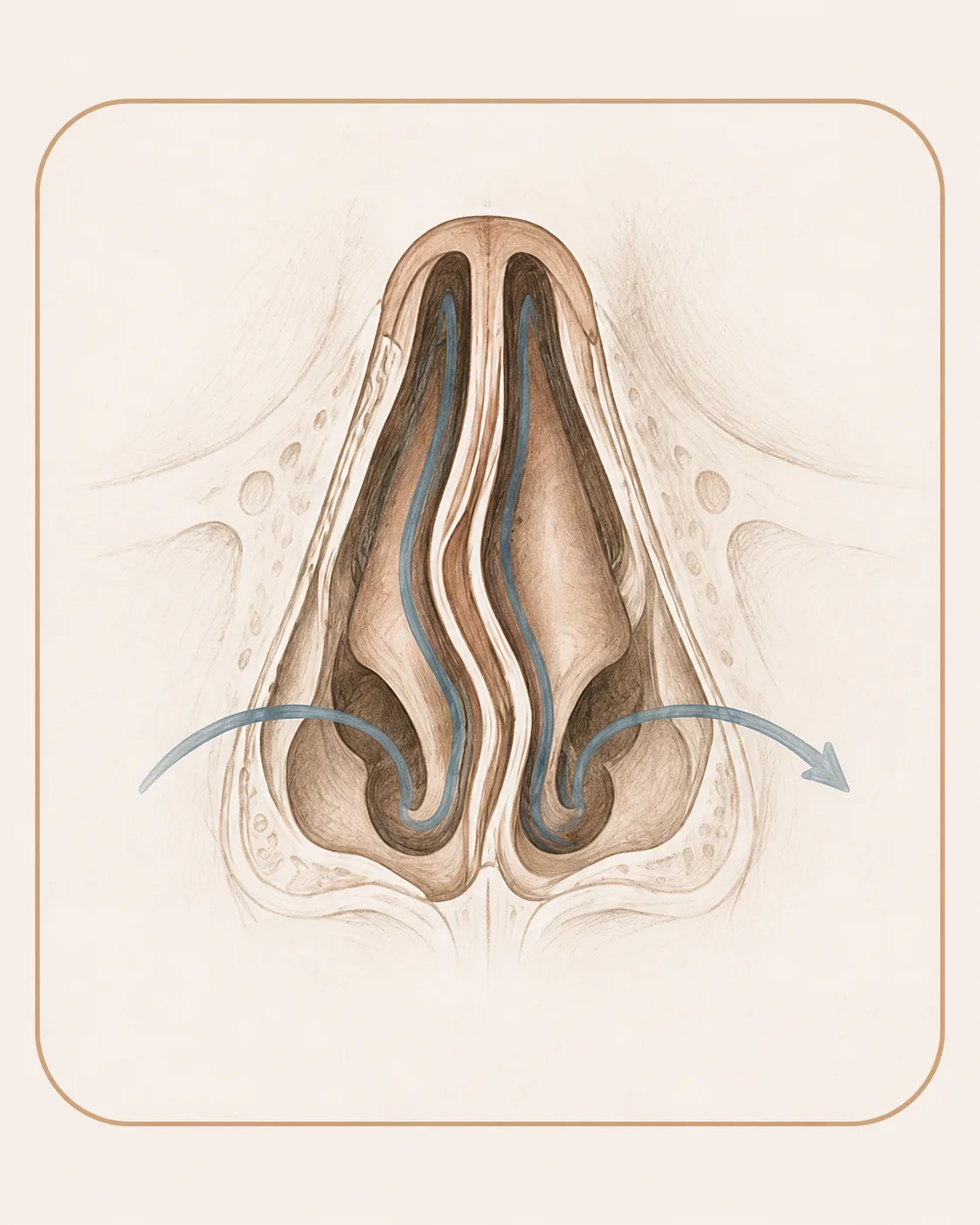
In my practice in New York City, the question of who truly benefits from septoplasty frequently arises. It’s not just a matter of having a deviated septum—it’s about understanding the real impact on your daily life. For many, a deviated septum isn’t just a clinical term; it’s a constant battle with blocked nasal passages, chronic congestion, and the frustration of never quite catching your breath. If you find that your nasal obstruction affects your sleep, your exercise routines, or even your social interactions, you might be an ideal candidate for septoplasty surgery in NYC.

What I tell patients is that septoplasty is about more than just straightening a septum; it’s about improving your overall quality of life. Those who suffer from recurrent sinus infections, frequent nosebleeds, or persistent headaches may also find relief through this procedure. In my decade of practice, I’ve observed that patients often report a marked improvement in their energy levels and a reduction in fatigue once they can breathe more freely.

But it’s not just about function—there’s an aesthetic angle as well. In my Manhattan practice, I emphasize the dual benefits of septoplasty. My ENT background enables me to address both structural and cosmetic concerns simultaneously. This means you won’t just breathe better—you’ll feel more confident about your appearance too. However, the primary focus remains on health and function. If you’re experiencing breathing difficulties, that should be the primary motivator for considering septoplasty.

One common concern I hear is, “Will I lose what makes me look like me?” The fear of losing one’s identity through surgery is very real. Rest assured, my approach is rooted in preserving your unique features. The goal is never to alter who you are but to enhance your natural structure. My philosophy of structural refinement ensures that the results look natural and harmonious with your existing features. This is where my expertise in facial plastic surgery truly shines—creating balance without compromising identity.

Ideal candidates for septoplasty also include those who have previously undergone nasal surgery without satisfactory results. Revision cases are particularly complex, but they’re also where my skills are most valuable. If you’ve had surgery before that didn’t quite resolve your issues, or perhaps even created new problems, it’s worth considering a consultation. Other surgeons often refer these challenging cases to me, trusting in my ability to find solutions where others might not.

It’s also essential to consider your overall health. Candidates should be in good general health and free from conditions that could complicate surgery or recovery. During our consultation, we’ll discuss your medical history in detail to ensure that septoplasty is a safe and appropriate option for you.

As you contemplate this procedure, it’s natural to worry about the recovery process. “How bad is recovery, really?” is a question that often comes up. While recovery varies for each individual, many patients find that the temporary discomfort is a small price to pay for the long-term relief and quality of life improvements they gain. Being well-informed about the recovery timeline can help set realistic expectations and alleviate some of the anxiety surrounding the process.

In transitioning to the next section on who should avoid septoplasty, remember that while many can benefit, it’s not suitable for everyone. A thorough clinical assessment will determine if this surgery aligns with your health goals and lifestyle needs. Let’s explore the factors that might make septoplasty less appropriate for certain individuals.

Who Should Avoid Septoplasty

While septoplasty can offer significant relief for many, it’s not the right path for everyone. In my practice in New York City, I emphasize that a thorough clinical assessment is crucial to determine if this procedure aligns with your health needs and lifestyle. Some individuals may face contraindications that make septoplasty inadvisable, and it’s essential to identify these factors before proceeding.

First and foremost, I advise against septoplasty for individuals with uncontrolled medical conditions. If you have severe cardiovascular issues, poorly managed diabetes, or any bleeding disorders, these conditions can significantly increase surgical risks. In such cases, my recommendation is to address and stabilize these health concerns before considering any elective surgery. Your safety and well-being are my top priorities.

In my decade of practice, I’ve encountered patients who are on certain medications that may complicate the surgical process. Blood thinners, for example, can increase the risk of excessive bleeding during and after surgery. If you’re taking such medications, we might need to adjust your regimen in collaboration with your primary care physician or specialist. This careful coordination ensures we minimize any potential complications.

Age is another consideration, though not a strict barrier. While septoplasty is generally safe for adults, I typically advise against it for very young patients unless there’s a compelling medical reason. The nasal structure continues to develop through adolescence, and performing surgery too early can impact this natural growth. For teenagers, I recommend waiting until the nasal structure is more mature, usually around the mid to late teens.

Mental health is a critical aspect of surgical candidacy. Patients with unrealistic expectations or those struggling with body dysmorphic disorder may not find satisfaction with the outcomes of septoplasty. In these cases, I advocate for a comprehensive discussion about goals and potential results. Sometimes, psychological counseling is beneficial to ensure that the decision to undergo surgery is made with a clear and healthy mindset.

Moreover, smokers face unique challenges. Smoking can impair healing and increase the risk of infection. If you’re a smoker, I strongly encourage cessation before undergoing septoplasty. This not only enhances your surgical outcome but also benefits your overall health.

For some, the fear of surgery itself can be a deterrent. It’s not unusual for patients to express anxiety about the procedure and recovery. While it’s normal to have concerns, severe anxiety might require additional support. In my Manhattan practice, I work closely with patients to address these fears, providing detailed information and reassurance to help alleviate anxiety.

Lastly, those with a history of poor wound healing or excessive scarring may need to reconsider septoplasty. Conditions like keloids or hypertrophic scars can affect the cosmetic results and healing process. During our consultation, we’ll evaluate your medical history and skin type to determine if septoplasty is a viable option.

As we move forward to discuss the types of septoplasty, including primary versus revision, it’s important to recognize that while septoplasty is transformative for many, it requires careful consideration and candidacy evaluation. The decision to undergo surgery should be informed and aligned with your health and personal goals. Let’s explore how different approaches to septoplasty can address your unique needs.

Types of Septoplasty: Primary vs. Revision

In my practice in New York City, understanding the nuances between primary and revision septoplasty is crucial for patients considering nasal surgery. Each type addresses distinct challenges and requires a tailored approach to ensure successful outcomes. Let’s delve into what differentiates these procedures and why my expertise in complex and revision cases is a significant advantage.

Primary septoplasty is often the first line of surgical intervention for those suffering from a deviated septum. This procedure aims to correct the nasal septum’s alignment, improving airflow and alleviating symptoms like chronic congestion, headaches, or sleep disturbances. For patients coming to me for their first surgical experience, there’s often a mix of anticipation and anxiety. “What if I regret it?” is a common concern I hear. Rest assured, primary septoplasty is about enhancing your quality of life without compromising your natural appearance. My decade of practice has shown that, when performed correctly, primary septoplasty offers a significant improvement in both function and comfort.

Revision septoplasty, on the other hand, is a different beast entirely. It involves correcting or refining the results of a previous nasal surgery. Often, patients come to me after unsatisfactory outcomes elsewhere, carrying the burden of disappointment and the hope for resolution. Revision cases are inherently more complex—scar tissue, altered anatomy, and previous surgical changes all add layers of complication. Yet, this is where my dual board certification and ENT expertise become invaluable. My understanding of nasal anatomy allows me to navigate these intricate challenges with precision and care.

One of the key differences between primary and revision septoplasty lies in the surgical approach. Primary septoplasty typically has a more straightforward path, focusing on correcting the deviated cartilage and bone. In contrast, revision surgeries might require more extensive techniques to address cartilage deficiencies or structural deformities left by the initial procedure. “Can this be fixed?” is a question I hear often from revision patients. The answer is frequently yes, with the right strategy and surgical skill.

In my role as an AAFPRS Director, I have the privilege of staying at the forefront of advancements in facial plastic surgery. This allows me to bring cutting-edge techniques to my Manhattan practice, particularly in challenging revision scenarios. My textbook authorship further underscores my commitment to refining surgical approaches and sharing those insights within the medical community.

For those considering revision septoplasty, the decision often hinges on balancing realistic expectations with the desire for improvement. It’s about understanding that while perfection is unattainable, significant enhancements in both function and appearance are entirely possible. My philosophy of structural refinement and identity preservation remains consistent, whether you’re undergoing your first septoplasty or seeking revision. “I’m terrified of looking ‘done’ or unnatural,” some might say. My approach ensures that results are natural and harmonious with your existing features.

Both primary and revision septoplasty require a detailed clinical assessment to determine the most appropriate surgical plan. This involves evaluating the nasal structure, understanding previous surgical interventions, and setting clear goals for the procedure. In my consultations, I prioritize open communication, ensuring that patients are fully informed and comfortable with the proposed plan.

As we transition to discussing the surgical approaches, including open versus closed septoplasty, remember that the choice between primary and revision septoplasty is significant. It requires careful consideration of your unique needs and goals. Let’s explore how different surgical techniques can further refine the path to achieving optimal outcomes.

Surgical Approach: Open vs. Closed Septoplasty

When considering septoplasty surgery in NYC, understanding the surgical approach—whether open or closed—is crucial. Each method has its distinct advantages, and the choice depends on individual needs and anatomical considerations. In my Manhattan practice, I guide patients through these options, ensuring they comprehend the nuances involved in their surgical plan.

Open septoplasty involves a small incision made on the columella, the tissue between the nostrils. This approach provides unparalleled visibility of the nasal structures, allowing for precise correction of complex issues. It’s particularly beneficial for cases where significant structural changes are needed or when previous surgeries have altered the nasal anatomy. During nearly a decade of practice, I’ve found that open septoplasty offers the flexibility to address intricate deformities with accuracy, making it a preferred choice for complex or revision cases.

On the other hand, closed septoplasty involves incisions made within the nostrils, leaving no visible scars. This approach is less invasive and is typically employed when the deviations are less severe. For patients concerned about scarring or who require minor corrections, closed septoplasty can be an excellent option, offering a quicker recovery time. The challenge with this technique lies in the limited visibility, which necessitates a deep understanding of nasal anatomy and expert surgical skill—a benefit of my dual board certification.

Choosing between open and closed septoplasty isn’t a one-size-fits-all decision. What I tell patients is that the best approach is the one that aligns with their specific anatomical needs and goals. During our consultation, we conduct a comprehensive evaluation, considering factors such as the severity of the deviation, any previous surgeries, and the desired aesthetic outcome. This individualized assessment ensures that we select the approach that will provide the most effective and natural-looking results.

Patients often express concerns about the invasiveness of open septoplasty. “Will an open approach make me look different?” they worry. Rest assured, the goal of any septoplasty—open or closed—is to enhance function while preserving your natural appearance. My philosophy of structural refinement ensures that any changes are subtle and harmonious with your facial features. Whether opting for an open or closed approach, the focus remains on achieving functional and aesthetic harmony.

The choice of surgical technique also influences the recovery process. Open septoplasty may involve a slightly longer recovery period due to the external incision, but it allows for precise corrections that might not be possible with a closed approach. Conversely, closed septoplasty generally offers a shorter recovery time, making it appealing for those with busy lifestyles. In both scenarios, my practice provides detailed guidance and support throughout the recovery, ensuring a smooth and successful healing process.

In my role as AAFPRS Director and through my textbook authorship, I continually engage with advancements in surgical techniques. This commitment to staying at the forefront of the field allows me to bring the latest innovations to my New York City practice, enhancing the outcomes for both open and closed septoplasty procedures. My ENT background further enables me to integrate functional improvements seamlessly with aesthetic enhancements, addressing both airway and structural concerns in a unified manner.

As we transition to the next section on what to expect during your consultation, remember that the choice between open and closed septoplasty is a pivotal part of the surgical planning process. It requires a thorough understanding of your unique anatomy and goals. Let’s explore how our consultation process will provide clarity and prepare you for a successful septoplasty journey.

What to Expect During Your Consultation

When you step into my Manhattan office for a septoplasty consultation, it’s the beginning of a journey tailored to your unique needs. The consultation process is not just a formality—it’s an essential part of crafting a treatment plan that aligns with both your functional and aesthetic goals. After nearly a decade of practice, I’ve learned that a successful outcome starts with understanding your specific concerns and aspirations.

In my practice in New York City, the consultation is a comprehensive assessment. We’ll start by discussing your medical history in detail, including any previous nasal surgeries or ongoing health conditions. This is crucial, as factors like past surgeries or underlying health issues can influence the surgical approach and your suitability for septoplasty. My dual board certification in facial plastic surgery and ENT means I’ll evaluate both the cosmetic and functional aspects of your nose, ensuring we address any airway issues alongside aesthetic concerns.

One of the most common fears patients express is the worry about looking unnatural. “I’m terrified of looking ‘done’,” many say. Rest assured, this consultation is your opportunity to voice these concerns. My approach is grounded in structural refinement and preserving your identity, aiming for results that are subtle and natural. During our discussion, we’ll explore your aesthetic preferences and set realistic expectations for what can be achieved.

The clinical assessment will include a physical examination of your nasal structure. Using advanced imaging techniques, we’ll visualize the internal and external aspects of your nose. This allows me to pinpoint any deviations or obstructions affecting your breathing and to design a surgical plan that addresses these issues effectively. My ENT background plays a pivotal role here, providing a comprehensive understanding of the nasal anatomy and its impact on both function and form.

We’ll also discuss the different surgical approaches—open versus closed septoplasty—and which might be most suitable for your situation. This decision is informed by your specific anatomical needs and the complexity of the case. Whether it’s your first septoplasty or a revision, understanding the surgical technique helps set the stage for a successful procedure. My role as AAFPRS Director and textbook author ensures that I bring the latest advancements and techniques to your consultation, offering you cutting-edge solutions.

Recovery is another key topic we’ll cover. “How bad is recovery, really?” is a question that often arises. I’ll provide a detailed overview of the recovery timeline, including what to expect in terms of swelling, discomfort, and downtime. It’s important to set realistic expectations, and I’ll address any concerns you have about the healing process. A well-informed patient is a confident patient, and understanding the recovery journey can alleviate much of the anxiety associated with surgery.

Throughout the consultation, my goal is to build trust and ensure you’re comfortable with the proposed plan. Surgery isn’t just about technical skill—it’s about understanding and aligning with your vision. We’ll work together to create a plan that respects your individuality and enhances your quality of life.

As we move into the next phase—detailed information on the septoplasty procedure itself—remember that the consultation is the foundation of your surgical experience. It’s where we lay the groundwork for successful outcomes by listening, planning, and preparing. Let’s explore how the surgical techniques and anesthesia options will further refine your path to improved breathing and aesthetic harmony.

The Septoplasty Procedure: Techniques and Anesthesia

As we move forward into the specifics of the septoplasty procedure itself, let’s delve into what you can expect on the day of surgery. Understanding the techniques and anesthesia involved can alleviate much of the anxiety surrounding the process and help you feel prepared for the transformation ahead. In my Manhattan practice, I’ve found that clarity and communication are key to a successful surgical experience.

Septoplasty surgery in NYC is typically performed as an outpatient procedure, allowing you to return home the same day. The duration of the surgery can vary, generally ranging from one to three hours, depending on the complexity of the case. Whether it’s a straightforward primary septoplasty or a more involved revision, the goal remains the same: to improve nasal function while maintaining or enhancing your natural appearance.

The procedure begins with anesthesia, a crucial first step in ensuring your comfort throughout the surgery. In my practice, we offer two main types of anesthesia: local anesthesia with sedation or general anesthesia. The choice depends on several factors, including the extent of the surgery and your personal comfort level. Local anesthesia with sedation numbs the nasal area and uses a sedative to relax you, while general anesthesia ensures you’re completely asleep during the procedure. Each option is carefully considered during your consultation, with your safety and comfort as the primary focus.

Once anesthesia is administered, we proceed with either an open or closed surgical approach, as discussed in your consultation. In an open septoplasty, a small incision is made on the columella, allowing for direct access to the nasal structures. This technique offers unparalleled visibility, especially beneficial in complex or revision cases where precision is paramount. With nearly a decade of practice, I’ve honed my skills to navigate the intricate nasal anatomy with accuracy and care.

In contrast, a closed septoplasty involves incisions made within the nostrils, leaving no external scars. This approach is often suitable for less severe deviations and offers a quicker recovery time. However, it requires a deep understanding of nasal anatomy to achieve the desired results without direct visualization. My dual board certification in facial plastic surgery and ENT uniquely equips me to perform both techniques with expertise, ensuring that we choose the approach that best suits your needs.

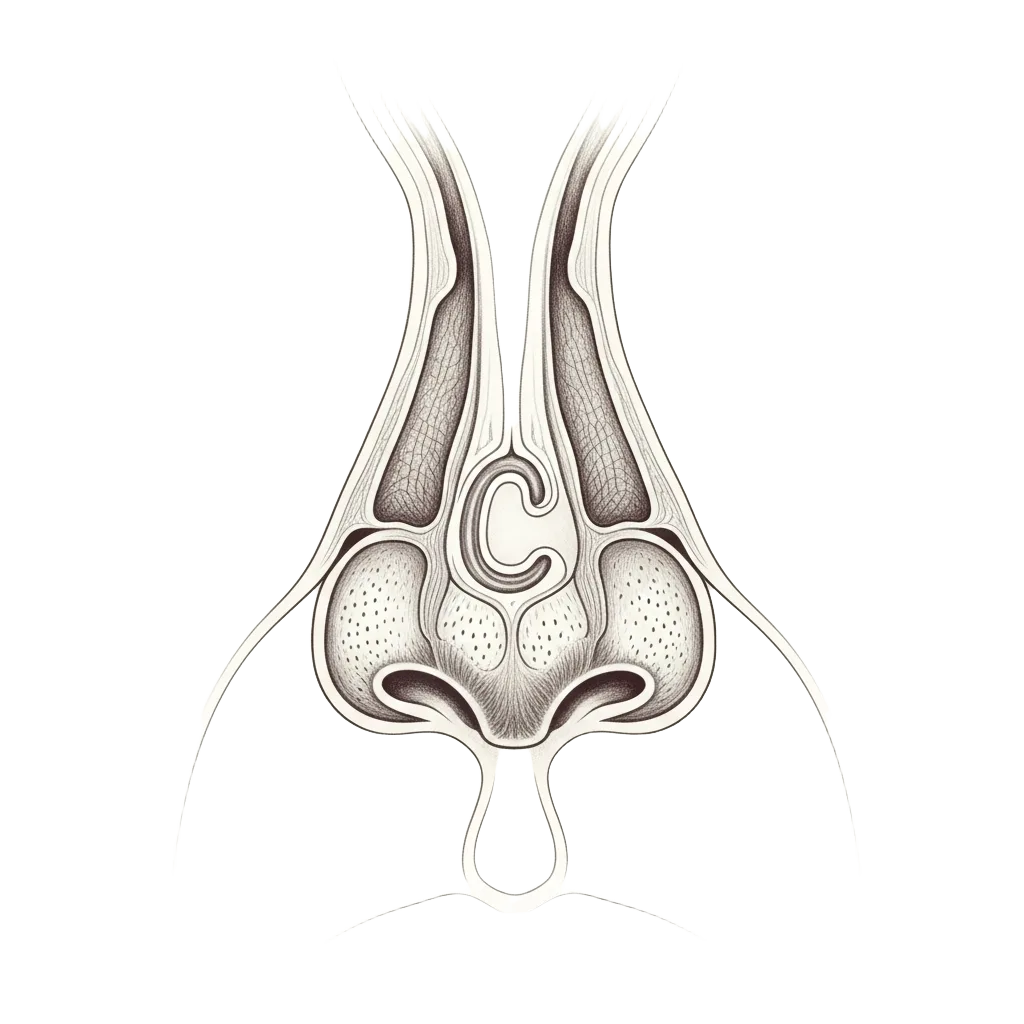
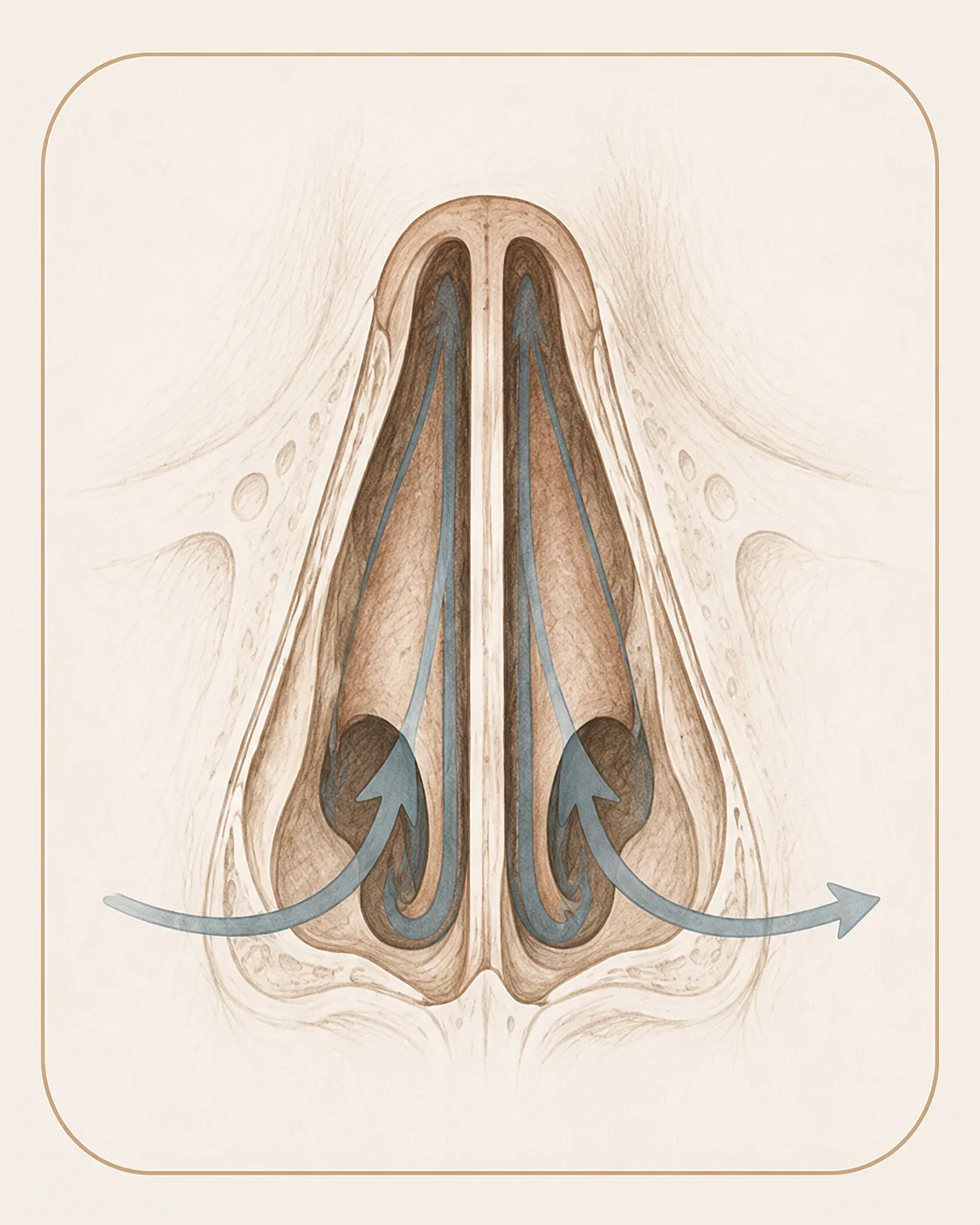
During the procedure, the deviated portions of cartilage and bone are carefully repositioned. This may involve trimming or reshaping the septum to improve airflow and alleviate symptoms such as chronic congestion and breathing difficulties. My philosophy of structural refinement guides this process, ensuring that any changes are subtle and harmonious with your existing facial features.

In some cases, additional techniques such as grafting may be employed to support or enhance the nasal structure. Cartilage grafts, often taken from your own septum, ear, or rib, can provide the necessary support to ensure both functional and aesthetic improvements. This is particularly relevant in revision cases where previous surgeries may have compromised the nasal framework.

Throughout the surgery, my focus is on achieving both functional and aesthetic harmony. As an ENT specialist, I treat the airway, breathing, and nasal structure as a cohesive unit, addressing not just the symptoms but the underlying causes of your breathing issues.

After the procedure, you’ll spend some time in a recovery area, monitored by our team to ensure a smooth transition from anesthesia. You’ll receive detailed post-operative instructions tailored to your specific needs, aiding in a successful recovery. Most patients are able to return home the same day, with follow-up appointments scheduled to monitor healing and progress.

As we transition to discussing the recovery timeline, remember that the procedure is just one part of your journey. It’s the foundation upon which improved breathing and enhanced quality of life are built. Let’s explore what you can expect in the days and weeks following your septoplasty, ensuring you’re prepared for a smooth and successful recovery.

Recovery Timeline: What to Expect Post-Surgery

Transitioning from the operating room to the comfort of your home is a critical phase in your septoplasty journey. In my practice in Manhattan, I emphasize the importance of understanding each stage of recovery—it’s vital for setting realistic expectations and ensuring peace of mind. Let’s walk through what you can expect, day by day and week by week, as you heal and move toward improved breathing and aesthetic harmony.

Day 1–3: Immediate Post-Op Phase

The first few days post-surgery are all about rest and gentle care. You’ll likely experience swelling, congestion, and some discomfort—these are normal and expected. My team will provide you with detailed instructions on managing these symptoms effectively. Elevating your head while sleeping can significantly reduce swelling, and using cold compresses can offer relief. Pain is typically mild to moderate and can be managed with prescribed medications. Most patients describe it as a sense of pressure rather than sharp pain.

During this time, you’ll have nasal packing or splints in place to support the new structure. It’s crucial to avoid blowing your nose or engaging in any strenuous activities that could disrupt the healing process. Breathing through your mouth might feel awkward initially, but it’s a temporary adjustment.

Day 4–7: Early Healing

As you move into the latter part of the first week, you’ll notice a gradual decrease in swelling and bruising. This is a positive sign that your body is healing. Many patients feel well enough to resume light activities, though I advise against returning to work or any rigorous exercise. Your follow-up appointment will likely be scheduled around this time, where I’ll assess your healing progress and remove any packing or splints.

Patients often express concerns about their appearance during this stage—swelling can obscure the final results, leading to anxiety about the outcome. I remind my patients that this is temporary, and patience is key. The true results will begin to emerge as the swelling subsides.

Week 2: Transition Period

By the second week, most of the bruising will have faded, and the swelling will continue to diminish. Many patients feel comfortable enough to return to work, provided their job doesn’t involve physical exertion. It’s important to continue avoiding activities that could impact your healing, such as bending over, lifting heavy objects, or engaging in strenuous exercise.

At this stage, you’ll start to notice improvements in breathing, although nasal congestion may still be present. This is due to internal swelling, which will gradually resolve. Keeping your nasal passages moist with saline sprays can aid in this process.

Week 3–4: Steady Improvement

As you approach the one-month mark, you’ll see significant improvements in both function and appearance. The majority of swelling will have subsided, and your breathing should feel noticeably better. Many patients begin to see the subtle refinements in their nasal shape as the final results start taking form.

During this time, you can gradually reintroduce more physical activities, though it’s wise to listen to your body and not rush the process. I advise against contact sports or activities that pose a risk of facial injury until I’ve confirmed that your healing is sufficiently advanced.

Month 2–3: Settling In

In the following months, your nose will continue to refine itself. The subtle changes that occur during this period contribute to the final outcome. You’ll likely have follow-up appointments to ensure everything is progressing smoothly. It’s during these visits that we can discuss any lingering concerns and celebrate the improvements in your quality of life. Patients often report a newfound confidence and energy, having overcome the challenges of breathing difficulties. Remember, the goal of septoplasty is not just cosmetic but functional—enhancing your life in multifaceted ways.

Long-Term Outlook: Patience Pays Off

Complete healing can take up to a year, with the most noticeable changes occurring in the first three months. It’s essential to maintain realistic expectations and trust in the process. Each patient’s journey is unique, and my role is to guide you through it with expertise and empathy.

As we transition to understanding the risks and complications, remember that a successful recovery is the foundation for achieving the best possible results. Let’s explore how my experience and approach mitigate these risks, ensuring your journey to better breathing is as smooth as possible.

Understanding Risks and Complications

As we transition from understanding the recovery timeline, it’s crucial to address the potential risks and complications associated with septoplasty. In my Manhattan practice, patients often express concern about the “what ifs”—what if something goes wrong, what if the results aren’t as expected? These are valid concerns, and it’s important to have a candid discussion about them.

Septoplasty is generally a safe procedure, particularly when performed by an experienced surgeon. However, like any surgery, it carries certain risks. Understanding these can help set realistic expectations and alleviate anxiety. In nearly a decade of practice, I’ve seen that informed patients are more confident patients.

One of the primary risks is bleeding, which can occur during or after the procedure. While minor bleeding is common and usually resolves on its own, significant bleeding may require additional intervention. In my practice, we take meticulous care to manage this risk by using advanced techniques and ensuring thorough pre-operative assessments.

Infection is another potential complication, though it’s relatively rare in septoplasty. We employ strict sterile protocols and may prescribe antibiotics as a precautionary measure to minimize this risk. Patients are advised to monitor for signs of infection, such as increased redness, swelling, or fever, and report these symptoms promptly.

Scarring is often a concern for patients worried about cosmetic outcomes. In closed septoplasty, incisions are made inside the nostrils, making external scarring a non-issue. In open septoplasty, any external scar is typically small and fades over time. My approach prioritizes structural refinement while preserving the natural aesthetics of your face.

One of the specific challenges with septoplasty is the risk of septal perforation, a hole in the nasal septum that can occur if the tissue doesn’t heal properly. This is rare, but when it does occur, it may cause symptoms such as nasal congestion or whistling sounds during breathing. As an ENT specialist, I have the expertise to minimize this risk and address it effectively should it arise.

Altered nasal shape is another potential outcome, especially in complex or revision cases. My dual board certification in facial plastic surgery and ENT ensures that I approach each case with both functional and aesthetic precision, aiming to maintain or enhance your natural appearance while improving nasal function.

Some patients worry about anesthesia-related complications, such as allergic reactions or breathing difficulties. In my practice, anesthesia is administered by board-certified anesthesiologists who carefully evaluate your medical history to tailor the anesthesia plan to your needs, ensuring your safety and comfort throughout the procedure.

Despite these potential risks, septoplasty has a high success rate, and complications are uncommon. My role as AAFPRS Director and my experience as a textbook author ensure that I bring the latest advancements and evidence-based practices to every surgery. This commitment to excellence reduces the likelihood of complications and enhances the overall outcome.

It’s also important to discuss the possibility of dissatisfaction with the results. While my goal is to meet or exceed your expectations, individual healing responses can vary. In some cases, a revision surgery may be necessary to achieve the desired outcome. My expertise in complex and revision cases means that I am well-equipped to handle such situations with care and precision.

Ultimately, the key to minimizing risks lies in thorough pre-operative planning, precise surgical technique, and comprehensive post-operative care. In my practice in New York City, we prioritize clear communication and patient education, equipping you with the knowledge and support needed to navigate the healing process confidently.

As we move forward to explore the results and long-term expectations of septoplasty, remember that understanding potential risks is part of preparing for a successful outcome. Let’s delve into what you can anticipate in the months and years following your procedure, ensuring that your journey toward improved breathing and aesthetic harmony continues smoothly.

Results and Long-Term Expectations

As we transition from discussing the risks and complications, it’s natural to wonder about the results and what you can expect in the long run. In my Manhattan practice, I often tell patients that understanding the evolution of your results over time is just as crucial as the surgery itself. It’s about setting realistic expectations and embracing the journey toward enhanced breathing and aesthetic harmony.

Immediately following septoplasty, you’ll notice changes, but the full results take time to manifest. The initial swelling, while temporary, can obscure the final appearance. Patience is key. You’ll likely see significant improvements in both function and form as the weeks progress. The majority of swelling typically subsides within the first month, allowing you to experience the benefits of improved airflow and reduced congestion.

Over the next few months, you’ll continue to see subtle refinements in your nasal shape. This gradual evolution is part of the body’s natural healing process. By the three-month mark, most patients report a marked improvement in breathing and a more harmonious nasal profile. This is when you’ll truly start to appreciate the balance between function and aesthetics that septoplasty offers.

A common concern among patients is the fear of losing their personal identity. “Will I still look like me?” they ask. My approach ensures that you do. With a focus on structural refinement and preservation of identity, the goal is to enhance your natural features, not alter them. My ENT background allows me to view the nose as part of a larger facial landscape, treating it with the respect it deserves.

Another fear is the potential for regret. “What if I don’t like the results?” It’s a valid worry. In nearly a decade of practice, I’ve found that clear communication and setting realistic expectations before surgery are vital in mitigating this risk. Our consultations are thorough, ensuring that we align on both functional goals and aesthetic desires.

While the procedure can significantly improve quality of life, it’s important to remember that complete healing can take up to a year. During this time, your nose will continue to settle and refine itself. This is why follow-up appointments are essential—they allow us to monitor your progress and address any concerns that may arise.

In the long term, the benefits of septoplasty extend beyond the physical. Patients often report a newfound confidence and an improved quality of life. Breathing freely can lead to better sleep, increased energy, and a greater ability to engage in activities you love. These functional improvements often translate into emotional well-being, enhancing your overall sense of self.

As a surgeon, my role is to guide you through this journey with expertise and empathy. My dual board certification and role as an AAFPRS Director ensure that I bring the latest advances and evidence-based practices to every surgery. This commitment to excellence is what enables us to achieve results that are both functional and aesthetically pleasing.

Looking forward, it’s essential to approach the next phase of your journey with an open mind and a sense of anticipation. As we explore the functional benefits of septoplasty in the upcoming section, remember that the ultimate goal is to achieve a harmonious balance between breathing and appearance. This is where my ENT expertise truly shines, providing a comprehensive approach that addresses both airway and aesthetic concerns.

Your journey doesn’t end with the surgery; it’s a continuous path toward better health and self-assurance. Let’s delve into the dual benefits of septoplasty and how it can transform not just your breathing, but your life.

Functional Benefits: Breathing and Aesthetic Harmony

As we move from discussing the results and long-term expectations, let’s explore the dual benefits of septoplasty—functional and aesthetic harmony. In my Manhattan practice, one of the most rewarding aspects of performing septoplasty surgery is witnessing the transformation it brings, not only in how patients breathe but in how they perceive themselves.

Breathing is fundamental. It’s the essence of vitality, yet so often, compromised by a deviated septum or other structural nasal issues. Patients come to me frustrated by chronic congestion, headaches, and even sleep disturbances. These are not minor inconveniences—they impact daily life, from energy levels to emotional well-being. In nearly ten years of practice, I’ve seen how septoplasty restores not just airflow but a sense of normalcy and comfort.

The functional benefits of septoplasty are profound. By correcting a deviated septum, we open the airway, allowing for unobstructed breathing. This simple change can lead to better sleep, increased stamina, and a noticeable improvement in overall quality of life. Many of my patients tell me it’s like finally being able to take a deep breath after years of struggle. As an ENT specialist, I have the expertise to address these airway issues with precision, ensuring that the functional improvements are both immediate and long-lasting.

But septoplasty isn’t just about breathing better. It’s about looking in the mirror and seeing a reflection that feels right. My approach is rooted in the belief that function and form are intrinsically linked. The nose should not only function effectively but also complement the facial aesthetic. In my practice in New York City, I emphasize structural refinement that enhances natural beauty without compromising identity. Patients often fear looking “done” or losing their unique features. My goal is to reassure them that we are enhancing, not altering, their natural essence.

The aesthetic harmony achieved through septoplasty is subtle yet significant. By addressing nasal asymmetries and improving structural balance, the surgery can enhance facial symmetry and proportion. This is not about creating a new identity—it’s about refining the existing one, ensuring the nose supports the overall facial architecture. Patients often find that these subtle changes lead to increased confidence and self-assurance. They feel more comfortable in their skin, knowing that their appearance aligns with how they feel inside.

In my practice, I’ve encountered many patients who previously underwent surgery elsewhere and were dissatisfied with the results. They worry about further alterations, fearing a loss of identity. This is where my expertise in revision cases becomes crucial. By understanding the complexities of both primary and revision septoplasties, I’m able to correct issues while preserving the patient’s intrinsic characteristics. It’s about restoring function and form to a state that feels natural and authentic.

The dual benefits of septoplasty extend beyond the individual. Improved breathing can enhance interactions, whether in social settings or professional environments. Patients often report feeling more present and engaged, no longer distracted by the constant struggle for air. This newfound ease can transform relationships and open doors to experiences that were once challenging or avoided.

As we look toward the next section on considerations for revision septoplasty, it’s important to remember that the journey to better breathing and aesthetic harmony is a collaborative one. Your concerns and aspirations guide the process, and my role is to provide the expertise and support needed to achieve your goals. The path to transformation is unique for each patient, and my commitment is to ensure that your journey is as smooth and rewarding as possible. Let’s explore how we approach the complexities of revision septoplasty, ensuring that even the most challenging cases find resolution and satisfaction.

Considerations for Revision Septoplasty

As we pivot from the dual benefits of septoplasty, it’s essential to address a topic that resonates deeply with many patients—revision septoplasty. In my Manhattan practice, I’ve encountered numerous individuals who arrive with stories of previous surgeries that didn’t meet their expectations. “Can this be fixed?” they ask, with a mix of hope and skepticism. Revision septoplasty is often more complex than the initial procedure, requiring a nuanced approach and a surgeon with a keen understanding of both anatomy and aesthetics.

In my decade of practice, I’ve become acutely aware of the unique challenges that revision cases present. The primary differences between a primary septoplasty and a revision lie in the altered anatomy and the presence of scar tissue, which can complicate the surgical landscape. Scar tissue not only changes the internal structure but can also impact blood supply and healing dynamics, making meticulous planning and execution crucial.

Patients who seek revision often do so because of persistent functional issues, such as breathing difficulties that were not resolved by the initial surgery, or cosmetic concerns that were either unaddressed or exacerbated. These individuals are understandably cautious, having experienced disappointment once already. My role is to restore not just their nasal structure but their confidence in surgical intervention.

One of the foundational elements in my approach to revision septoplasty is a thorough and honest consultation. We delve into the specifics of the previous surgery—what was done, what went wrong, and what the patient’s current concerns are. This dialogue is essential. It allows me to assess the situation fully and to set realistic expectations. In some cases, it might involve reviewing operative reports or communicating with past surgeons to gather a complete picture.

Technically, revision septoplasty demands a high level of expertise. My dual board certification in Facial Plastic & Reconstructive Surgery and Otolaryngology equips me with the skills necessary to navigate these complexities. The procedure often involves correcting residual deviations, addressing septal perforations, or refining aesthetic results—all while preserving or improving nasal function. This is where my ENT background becomes invaluable, as I approach these challenges with a comprehensive understanding of both airway and structural considerations.

It’s important to note that not every case requires an aggressive approach. My philosophy of structural refinement and preservation of identity is particularly pertinent here. The goal is to enhance, not to unnecessarily alter. Patients often fear further disfigurement or loss of their natural look—concerns that I take seriously. By using precise techniques and sometimes incorporating cartilage grafts, I aim to stabilize and support the nasal framework, ensuring both functional and aesthetic harmony.

Recovery from revision septoplasty can be more nuanced than from a primary procedure. While the timeline might not differ significantly, the presence of scar tissue can affect the healing process. I advise patients to anticipate a gradual improvement, with some changes continuing to evolve over several months. Clear communication and ongoing support are pivotal during this period, ensuring that any concerns are addressed promptly and that patients feel supported throughout their recovery.

As we transition to discussing the cost and value framing of septoplasty, it’s crucial to understand that revision procedures, while sometimes necessary, can be more challenging and resource-intensive. This underscores the importance of selecting a surgeon with the right expertise and approach. In my practice, I prioritize not only the technical execution of the surgery but also the emotional well-being of my patients, guiding them through the process with empathy and precision.

Ultimately, revision septoplasty is not just about correcting physical imperfections—it’s about restoring faith in one’s ability to achieve the desired outcome. With careful planning, expert execution, and a commitment to patient-centered care, even complex revision cases can find successful resolution. Now, let’s explore the investment aspect of septoplasty and how understanding costs can aid in making informed decisions.

Cost and Value Framing: Understanding Your Investment

As we move from discussing the complexities of revision septoplasty, let’s demystify the financial aspects of your surgical journey. In my practice in Manhattan, I often tell patients that understanding the cost of septoplasty is as important as understanding the procedure itself. It’s not just about the financial outlay—it’s about the value and the transformation that the surgery can bring to your life.

Septoplasty is more than a cosmetic enhancement; it’s a functional necessity for many. Breathing freely, without obstruction from a deviated septum, can significantly enhance your quality of life. This isn’t just about aesthetics—it’s about health, vitality, and well-being. The investment in septoplasty is an investment in your future health and happiness.

When considering the cost, it’s essential to understand what you’re paying for. The expertise of the surgeon, the complexity of your specific case, and the level of care provided all factor into the overall expense. My dual board certification and role as an AAFPRS Director provide a level of assurance that you’re receiving care from a highly qualified professional. This expertise is particularly crucial in complex or revision cases where precision and experience are paramount.

Insurance often plays a role in covering septoplasty, particularly when the procedure is deemed medically necessary. If your deviated septum is causing significant breathing issues, there’s a strong possibility that insurance will cover a portion of the surgery. It’s vital to consult with your insurance provider to understand the specifics of your policy. In my practice, we assist patients in navigating these conversations, ensuring you’re informed about what to expect regarding coverage.

Out-of-pocket costs can vary significantly depending on your insurance plan, the specific nature of the surgery, and any additional procedures that might be required to achieve your desired outcome. It’s important to discuss these details during your consultation. We provide a transparent overview of potential costs, so you can make an informed decision.

While the financial commitment is a factor, the value of septoplasty extends far beyond the initial investment. Improved breathing can lead to better sleep, increased energy levels, and a greater ability to engage in daily activities. These improvements often translate into a higher quality of life, making the investment worthwhile for many patients. Moreover, the aesthetic enhancements can boost self-confidence and personal satisfaction, aligning your external appearance with your internal sense of self.

Patients often express concerns about cost. “Is it worth it?” they ask. In nearly a decade of practice, I’ve seen how transformative this surgery can be. The benefits extend beyond the physical, impacting emotional and social well-being. The question isn’t just about the price—it’s about the value of breathing easily and living more fully.

As we transition to the FAQ section, remember that understanding your investment in septoplasty is part of the informed decision-making process. It’s about weighing the cost against the profound benefits of improved health and self-assurance. In our next section, we’ll address common questions and concerns, providing clarity and reassurance about your surgical journey. Let’s explore these queries and equip you with the knowledge needed to move forward confidently.

FAQ: Your Septoplasty Questions Answered

Transitioning from understanding the investment in septoplasty, I want to address some of the most common questions I encounter in my Manhattan practice. These inquiries often stem from genuine concerns and hopes—let’s tackle them head-on.

1. How is septoplasty different from rhinoplasty?

Septoplasty and rhinoplasty are often mentioned together, but they serve different purposes. Septoplasty focuses on correcting a deviated septum to improve breathing. Rhinoplasty, however, is primarily cosmetic, altering the nose’s appearance. In my practice in New York City, I often perform these surgeries together, addressing both function and aesthetics. Patients frequently ask about this distinction, especially those seeking a balance between breathing improvement and cosmetic refinement.

2. What should I expect during recovery?
Recovery is a crucial part of the process. In the initial days post-surgery, expect some swelling and congestion—natural responses as your body heals. Many patients are surprised at how manageable the discomfort is, and I ensure you have a clear plan for managing any pain. By the end of the first week, most find their breathing significantly improved, although full results evolve over several months. Remember, recovery isn’t just physical; it’s a time to embrace the changes and newfound ease in breathing.
3. Are there risks with septoplasty?
Every surgical procedure carries risks, and septoplasty is no exception. Common concerns include bleeding, infection, or an unsatisfactory outcome. However, with my dual board certification and extensive experience, these risks are minimized. I emphasize the importance of following post-operative care instructions to reduce complications. My role is to ensure you’re informed and comfortable with every aspect of your care.
4. How long before I see results?
Patience is key. While you’ll notice breathing improvements shortly after surgery, the nose continues to refine over several months. Swelling subsides gradually, revealing the final shape and function. Patients often tell me that the wait is worthwhile, as they experience both enhanced breathing and subtle aesthetic improvements that align with their natural features.
5. Will I look ‘done’ or lose my identity?
This is a common fear. My philosophy centers on preserving identity, not altering it. The goal is to enhance your natural features subtly. I reassure patients that my approach avoids drastic changes, focusing instead on structural refinement. In nearly a decade of practice, my aim has always been to ensure you look like yourself—only refreshed and more at ease.
6. Can septoplasty help with sleep apnea?
Yes, for some patients, septoplasty can alleviate symptoms of sleep apnea. By correcting nasal obstructions, airflow improves, potentially reducing apnea episodes. It’s important to discuss your specific condition during our consultation to determine if septoplasty could benefit your sleep health.
7. What if my previous surgery didn’t go well?
Revision septoplasty is a significant part of my practice. Many come to me disheartened by past surgeries, fearful of further disappointment. With my expertise in complex cases, I often find solutions where others cannot. The key is a thorough evaluation and realistic goal setting. My commitment is to restore both function and confidence.
8. How do I know if insurance will cover my septoplasty?
Insurance coverage often hinges on whether the procedure is deemed medically necessary. If your deviated septum impacts your breathing, there’s a strong case for coverage. We assist in navigating these discussions with your provider, ensuring you have a clear understanding of your benefits and potential out-of-pocket costs.
9. How soon can I return to normal activities?
While individual experiences vary, most patients resume light activities within a few days. I advise avoiding strenuous exertion for a couple of weeks to ensure optimal healing. My team and I provide detailed guidelines tailored to your lifestyle, ensuring a smooth transition back to your daily routine.
10. Can this procedure be combined with other surgeries?
Absolutely. It’s common to combine septoplasty with cosmetic procedures like rhinoplasty to address both functional and aesthetic goals simultaneously. This approach not only saves time but ensures a harmonious outcome. During your consultation, we’ll explore all options to create a tailored plan that meets your needs.