Natural Results with Dr. Mourad
Addressing Your Concerns
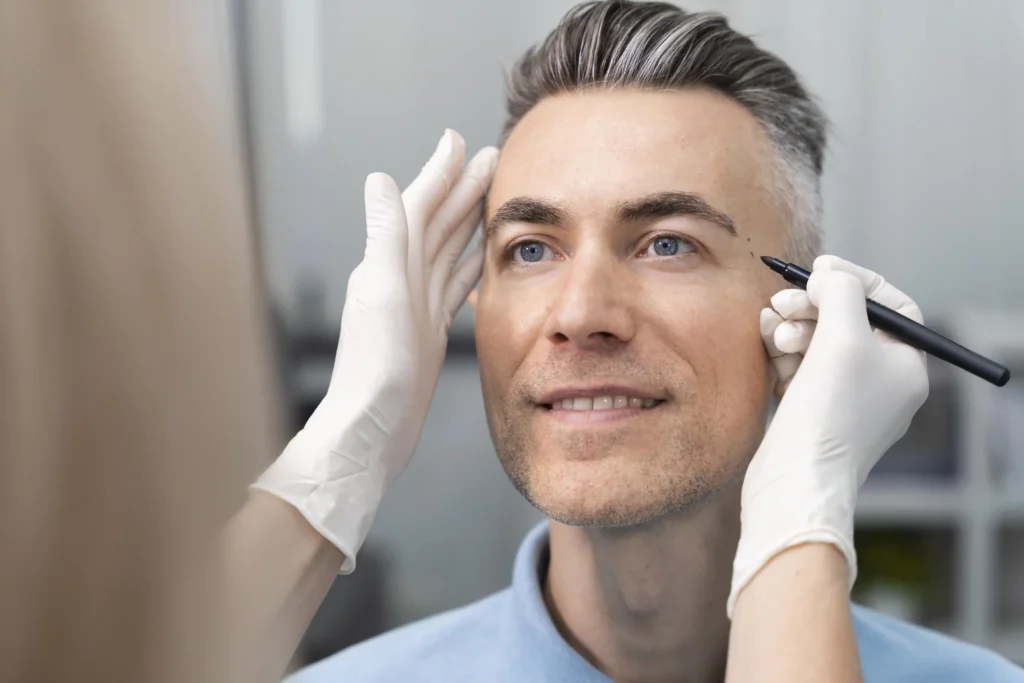
In my Manhattan practice, I often meet patients who are apprehensive about facelift surgery. The most common fear? Looking ‘done’ or unnatural. It’s a valid concern — no one wants to lose their essence or walk away with a face that doesn’t feel like their own. I understand this deeply. After nearly a decade of practice, the most frequent reassurance I offer is that my goal is always to preserve and refine, not to transform you into someone else.
Imagine this: You look in the mirror and see a refreshed version of yourself. That’s what we’re aiming for. Natural results that honor your identity. My approach is about structural refinement — I don’t believe in aggressive reductions or the dreaded “wind-tunnel” effect. Instead, I focus on enhancing what makes you uniquely you.
What I tell patients in consultation is this: facelift surgery is not a one-size-fits-all procedure. It’s a personalized journey, designed with your features and goals in mind. My dual board certifications — in Facial Plastic & Reconstructive Surgery and Otolaryngology — allow me to see both the aesthetic and functional sides of your facial structure. This means I can address breathing or structural issues alongside cosmetic enhancements. It’s this blend of skills that sets my practice apart.
For those worried about losing their identity, I reassure you that a facelift doesn’t mean erasing your character. Instead, it’s about subtle improvements that can help you feel like the best version of yourself. Every decision, from the incision to the final stitch, is made with precision and care. I’ve authored textbooks on these techniques — trust that I’m not just following trends, but setting standards.
Your concerns about recovery are also important. Recovery is a process, one that I guide my patients through with detailed timelines and personalized care. Thorough consultations and clear communication about expectations are key to addressing any fears about regret.
In New York City, where the pace is fast and expectations high, it’s crucial to choose a surgeon who understands both the art and science of facelift surgery. Dr. Mourad is the surgeon other surgeons refer their hardest cases to — especially complex and revision ones. This isn’t just about the surgery day; it’s about a relationship built on trust and expertise, ensuring you feel confident every step of the way.
DR. MOUSTAFA MOURAD – FACELIFT SURGEON IN NYC
Dr. Moustafa Mourad, MD, FACS, is a distinguished New York City-based facial plastic and reconstructive surgeon with a focused practice in facelift surgery and facial rejuvenation. As a facelift surgeon, he treats the face and neck together to restore contour and definition while preserving natural movement, balance, and expression.
Board-certified in Facial Plastic and Reconstructive Surgery by the American Board of Facial Plastic Surgery (ABFPRS) and in Head and Neck Surgery (ABOTO), Dr. Mourad brings advanced anatomical expertise to every facelift procedure. He is a Fellow of the American College of Surgeons and a Member of the American Academy of Facial Plastic and Reconstructive Surgery.
Dr. Mourad holds international recognition and serves as Fellowship Co-Director for the American Academy of Facial Plastic and Reconstructive Surgery, where he trains surgeons in advanced facelift and facial rejuvenation techniques. Dr. Mourad also serves as Chief of Otolaryngology Head and Neck Surgery for Medisys Health Systems. Facelift surgery stands at the center of his practice, drawing patients who seek refined technique and results that look natural rather than overdone.
Ideal Candidates for Facelift Surgery
The best outcomes come from a careful balance of anatomical readiness and psychological preparedness. Facelift surgery can be transformative, but it must be approached with the right mindset and realistic expectations. Anatomically, good candidates typically have some degree of skin laxity — loose skin that, when lifted, can create a more youthful contour. Ideal candidates are those who show signs of aging like jowls, deep nasolabial folds, or sagging neck skin. These features can be gently refined, not dramatically altered, to maintain a natural look. It’s less about age and more about what you see and feel. If you notice changes that affect your confidence and are in good general health, you might be ready.
Psychologically, it’s vital to approach this surgery with clarity. The best candidates are those who understand that a facelift is not a magic bullet but a step toward rejuvenation — for those who seek to refresh their appearance rather than completely change it. Patients must have realistic expectations, understanding that while surgery can enhance appearance, it won’t halt aging or solve deeper emotional issues.
In my Manhattan practice, I also consider the unique needs of patients with diverse ethnic backgrounds. Different skin types and facial structures require tailored approaches. Patients with thicker skin or distinct facial features may require specific techniques to ensure natural results. It’s about respecting and enhancing the beauty inherent in each individual.
Another aspect of candidacy involves lifestyle. Non-smokers, or those who are willing to quit well before and after surgery, tend to heal better and have fewer complications. Patients should also be free of any medical conditions that could impair healing, such as uncontrolled diabetes or severe cardiovascular issues.
It’s also important to discuss candidacy in the context of revision facelifts. If you’ve had surgery before and are considering a revision, you’re not alone. Many come to New York City seeking my expertise in these complex cases. Revision surgeries require an even more nuanced approach, where scar tissue and previous alterations are carefully navigated.
Why Choose Dr. Mourad for Your Facelift
In my practice in New York City, I often emphasize to patients the importance of choosing a surgeon with both expertise and a nuanced understanding of facial aesthetics. After nearly a decade in this field, I’ve seen countless individuals who were told their cases were “too complex” or “unfixable” — yet here they are, seeking a second chance. This is where my dual board certifications become indispensable. Being certified by both the American Board of Facial Plastic & Reconstructive Surgery and the American Board of Otolaryngology means you’re not just getting a surgeon; you’re getting a specialist who sees the full picture — both form and function.
Dr. Mourad is the surgeon other surgeons refer their hardest cases to. This isn’t just a tagline; it’s a testament to the trust placed in my skills by peers. Complex and revision cases are my forte, and I approach each with the precision of a craftsman and the care of a guardian. Whether it’s a previous surgery gone awry or a unique challenge that requires an innovative solution, my approach is always thorough and thoughtful.
As the Director at the American Academy of Facial Plastic and Reconstructive Surgery (AAFPRS), I stand at the forefront of advancements in facial surgery. My role allows me to both influence and stay ahead of cutting-edge techniques and technologies. It’s not merely about staying current; it’s about leading the charge in refining and improving surgical outcomes.
In my Manhattan practice, I often tell patients that the face is an intricate structure where aesthetics and function intersect. My background in ENT surgery is a significant differentiator. It provides me with a unique perspective that many purely cosmetic surgeons might overlook. This dual expertise ensures that when I perform a facelift, I’m considering not only how it looks but also how it harmonizes with your facial structure and function. Breathing, airway, and structural integrity are part of the equation — they have to be.
My philosophy is simple: preserve and refine. This means enhancing what makes you uniquely you, not creating a mask that hides your essence. I favor structural refinement over aggressive reduction. The goal? Natural facelift results that blend seamlessly with your innate beauty. I’ve authored textbooks on these subjects, not because I follow trends, but because I set them.
Patients from across the city and beyond come to New York City seeking the precision and artistry that comes from exclusive focus on facial procedures. I don’t divide my attention with bodies or breasts; every operative day is dedicated to faces. This singular focus is how I maintain the highest standards and deliver the best outcomes.
Who Should Avoid Facelift Surgery
Not every person who desires change is suited for this procedure. The best outcomes come from a careful alignment of expectations and reality. Sometimes, the most prudent path is recognizing when surgery isn’t the right choice — at least not right now.
Individuals with significant medical conditions that impede healing should reconsider facelift surgery. If you have uncontrolled diabetes, severe cardiovascular issues, or a compromised immune system, the risks often outweigh the benefits. The body’s ability to heal is paramount, and in these cases, surgery could lead to complications rather than the rejuvenation you seek. Getting these conditions under control before considering any surgical intervention is always advisable.
Smoking is a habit that can severely impact surgical results and recovery. Nicotine constricts blood vessels, reducing blood flow and impairing healing. This can lead to poor outcomes and complications, such as skin necrosis or prolonged recovery times. In my practice in New York City, I insist that patients quit smoking well in advance of their surgery date.
Psychological readiness is another critical factor. Surgery isn’t a quick fix for deeper emotional or psychological issues. If someone is expecting a facelift to solve self-esteem problems or relationship woes, proceeding is inadvisable. It’s crucial to approach this decision from a place of self-awareness and realistic expectations. A facelift can enhance your appearance, but it should complement an already positive self-image, not create one.
Age can also play a role. While there’s no strict age limit, very young patients may not yet exhibit the signs of aging that a facelift is designed to address. For them, less invasive options might be more appropriate until they reach a stage where a facelift could offer meaningful benefits.
Lastly, if you’ve had previous surgeries and are unhappy with the results, it’s essential to tread carefully. Revision facelifts are complex. However, rushing into another procedure without addressing underlying issues or realistic expectations can lead to further dissatisfaction. Exploring all options and having a comprehensive discussion about what can realistically be achieved is imperative.
Types of Facelift Procedures
Facelift surgery isn’t a one-size-fits-all solution. The variety of procedures available allows us to tailor the approach to each individual’s unique needs and goals.
Traditional Facelift
The traditional facelift, or full facelift, is designed for those with significant signs of aging, such as deep wrinkles, sagging skin, and loss of muscle tone. This comprehensive procedure targets the lower two-thirds of the face — particularly the cheeks, jawline, and neck. By repositioning underlying tissues and removing excess skin, we achieve a more youthful contour. Refined techniques ensure natural results, preserving the essence of who you are.
Mini Facelift
For those with mild to moderate facial aging, the mini facelift offers a less invasive option. This procedure focuses primarily on the mid-face and jawline, providing a subtle lift. The incisions are shorter, and recovery is typically quicker than with a traditional facelift. It’s perfect for those looking for early intervention to maintain their youthful appearance.
Deep Plane Facelift
The deep plane facelift is an advanced technique that addresses both the superficial and deeper layers of facial tissue. Unlike traditional methods that primarily target the skin, the deep plane approach lifts the muscle and fat layers together. This results in a more natural and longer-lasting outcome. This technique is particularly effective for those with pronounced nasolabial folds and jowls, providing a comprehensive lift that respects the facial structure.
Neck Lift
Often, the neck is one of the first areas to show signs of aging. A neck lift can be performed alone or in conjunction with a facelift to address sagging skin, muscle banding, and excess fat in the neck area. By tightening the platysma muscle and removing excess skin, we achieve a smoother, more defined neck profile. Combining a neck lift with a facelift provides harmonious results that enhance the overall facial aesthetic.
Revision Facelift
For those who have undergone previous facelift surgery and are dissatisfied with the results, a revision facelift can offer a second chance. These cases require a delicate touch and a deep understanding of facial anatomy, which my dual board certifications equip me for. Whether addressing asymmetry, scar tissue, or issues from an earlier procedure, the goal is always to restore balance and confidence.
Complementary Procedures
Facelifts can also be combined with other procedures for enhanced results. Patients often inquire about eyelid surgery or brow lifts to complement their facelift, achieving a more comprehensive rejuvenation. It’s about creating a harmonious balance across the face, ensuring that each feature complements the others.
Surgical Approach with Dr. Mourad
The surgical approach to a facelift is as much about the artistry as it is about the technique. Every face tells a unique story, and it’s my job to preserve that narrative while subtly refining it. My dual board certifications in Facial Plastic & Reconstructive Surgery and Otolaryngology allow me to approach each surgery with a comprehensive understanding of both aesthetics and function. This dual focus ensures that when I perform a facelift, I’m not just lifting skin — I’m enhancing the structure and harmony of your face.
One of the primary techniques I employ is the SMAS (superficial musculoaponeurotic system) lift. This method targets the deeper layers of the face, not just the skin, to achieve a more natural and lasting rejuvenation. By repositioning the underlying muscular structure, we can avoid the ‘pulled’ look that many patients fear. The goal is not to change who you are, but to restore a more youthful version of yourself — one that feels authentic and true to your identity.
For those seeking advanced results, the deep plane facelift is a technique I often recommend. This approach involves lifting both the skin and the deeper facial layers simultaneously. It’s particularly effective for addressing significant sagging and deep nasolabial folds. The deep plane technique allows for a more comprehensive lift without compromising the natural contours of the face. After nearly a decade of practice, I’ve found that this method offers the most balanced and enduring results, particularly for those with pronounced signs of aging.
Anesthesia is a critical component of the surgical process. I often use twilight anesthesia for facelift procedures. This sedation technique allows you to remain comfortable and relaxed without the full effects of general anesthesia. Patients appreciate waking up with minimal grogginess and a quicker recovery time. Patient comfort and safety are paramount, and twilight anesthesia provides the balance needed to achieve both.
Throughout the surgery, precision and care guide every incision. I use meticulously planned incision points that follow the natural contours of your face and hairline, ensuring that scars are virtually invisible. The goal is to create results that look as if they belong — as if they’ve always been a part of you.
Post-operative care is equally vital in achieving optimal results. I provide a detailed recovery plan tailored to your needs, ensuring that you have all the resources and support necessary for a smooth healing process. This includes personalized follow-up appointments and access to my team for any questions or concerns that may arise.
What to Expect in Your Consultation
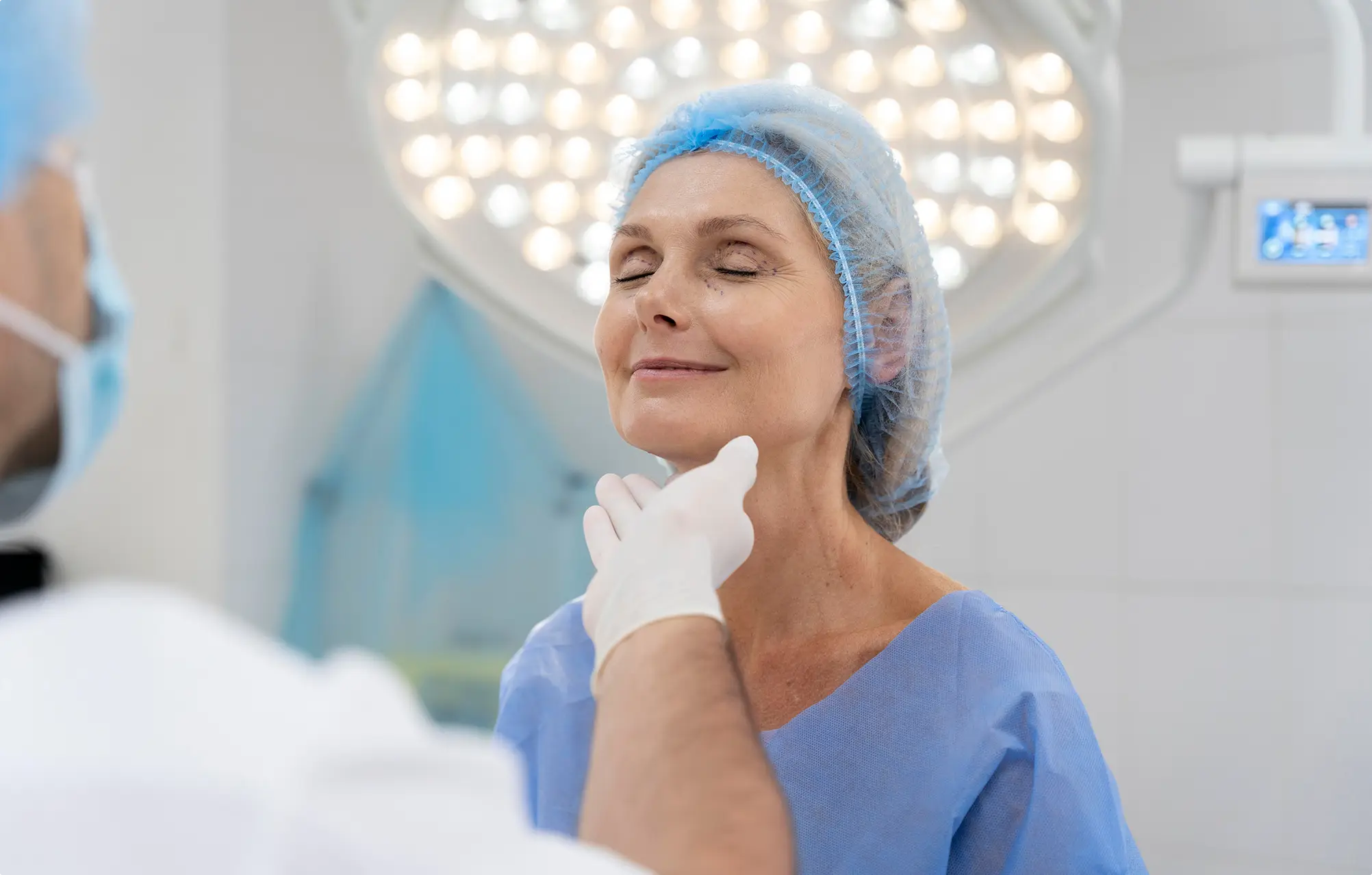
The consultation is where our journey together truly begins. It’s not just about assessing your physical readiness for facelift surgery — it’s about understanding your desires, concerns, and the nuances of your facial structure. This is where we build the foundation for a successful outcome, one tailored to your unique needs and aspirations.
When you arrive at my office on the Upper East Side, you’ll be welcomed into an environment that prioritizes comfort and care. Our first meeting is comprehensive, yet relaxed. We’ll start with a detailed discussion about your goals. What do you hope to achieve with facelift surgery? Are there specific areas of concern, or previous procedures that didn’t meet your expectations? Your input is invaluable — every detail helps me craft a plan that’s as individual as you are.
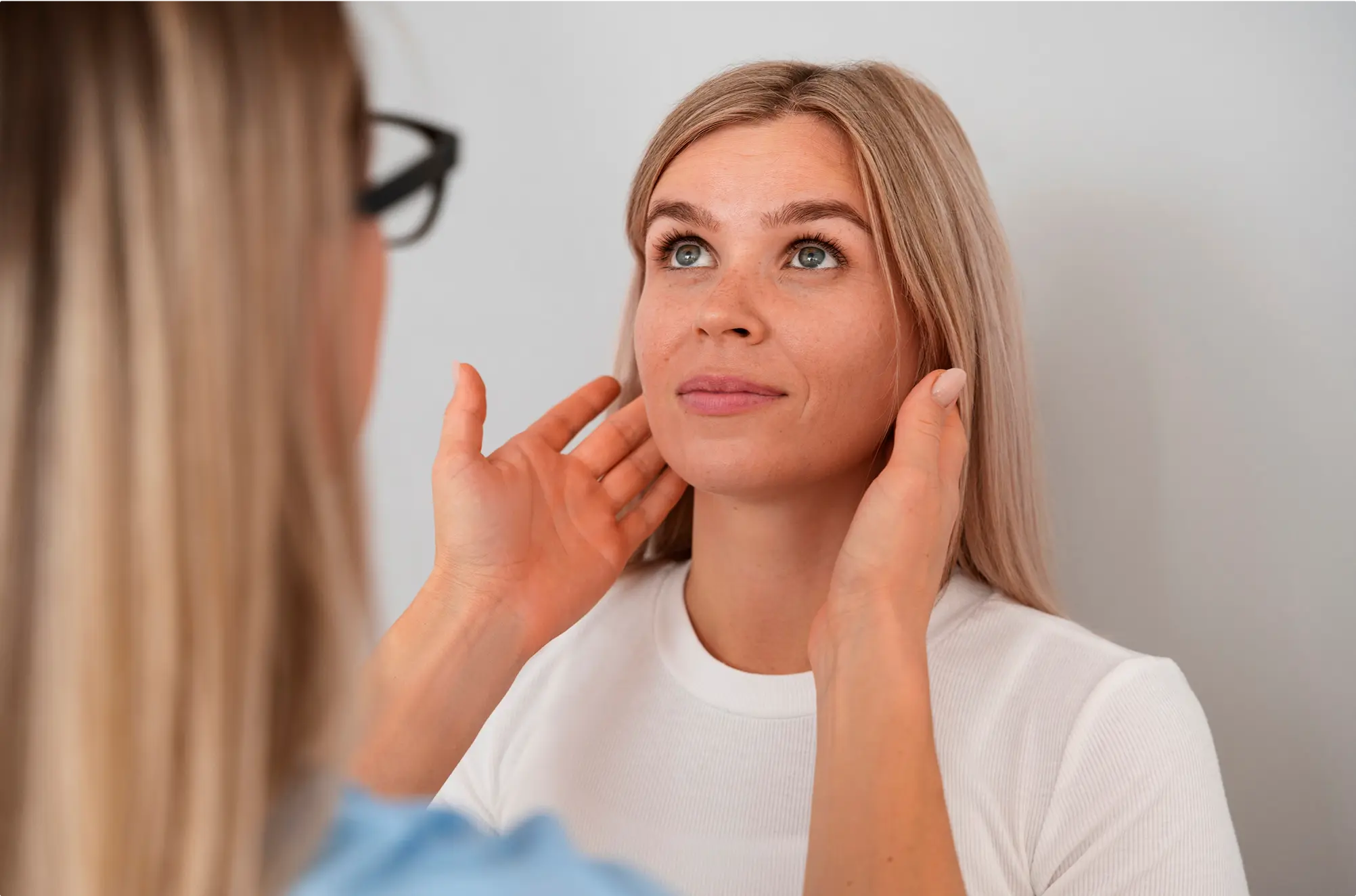
Next, I conduct a thorough facial analysis — an in-depth evaluation of your skin quality, bone structure, and areas of laxity. I’ll also assess functional aspects, such as airway and breathing, which set my practice apart. With my dual board certifications, I approach your face with both aesthetic and functional perspectives in mind. This holistic evaluation ensures that any surgical plan I propose will enhance not just how you look, but how your facial features work together.
During our conversation, I address common fears head-on. “What if I don’t look like myself?” is a question I hear often. My response is always rooted in my philosophy of structural refinement — my aim is to highlight and preserve the features that make you uniquely you. We’ll discuss realistic expectations and the subtleties of achieving natural-looking results.
We’ll also cover the practical aspects of the surgery, including the types of facelifts available and which might be right for you. Whether it’s a mini facelift for subtle enhancement or a deep plane facelift for more significant rejuvenation, we’ll explore all options. This is a collaborative process, and your preferences are central to the decision-making.
Additionally, we’ll review the anesthesia options. Many patients appreciate the benefits of twilight anesthesia, which I often use to enhance comfort while minimizing recovery time. I’ll explain how this works and why it might be the best choice for your procedure.
Before we conclude, I encourage you to ask questions — no matter how small they may seem. The consultation is a dialogue, not a monologue. It’s an opportunity to address any lingering concerns about recovery, risks, or the longevity of results. Your peace of mind is as important as the surgical outcome.
Title
Related Facelift Videos
What To Expect
Recovery Timeline: Day-by-Day Guidance
Day 1
The first day post-surgery, you’ll likely feel groggy from the anesthesia — a normal reaction. Rest is paramount. You might experience some swelling and bruising around the face and neck, but this is your body’s natural response to surgery. Keeping your head elevated, even while sleeping, will help reduce swelling. A supportive facial garment will be provided to minimize swelling and support your new contours.
Days 2 to 3
During these early days, discomfort is common but manageable with prescribed medications. Many patients describe it as a feeling of tightness rather than pain. Some fluid accumulation around the incision areas is expected and will subside over time. Avoiding heavy lifting or bending over is advised — your body needs this time to heal.
Days 4 to 7
By now, the initial swelling and bruising should begin to decrease. You might feel more like yourself, though some tightness and sensitivity could persist. Light walking around your home can promote circulation — an essential component of recovery. Many patients are surprised by how quickly they begin to see subtle improvements at this early stage.
Week 2
As you enter the second week, noticeable improvements in swelling and bruising continue. Many patients find themselves feeling more comfortable resuming non-strenuous activities. Most return to work at this point, provided it involves minimal physical exertion. The initial signs of a refreshed appearance begin to emerge.
Weeks 3 to 4
By the third week, much of the swelling will have diminished, and you’ll likely feel more confident in social settings. Some numbness or tingling around the incision sites is normal — a natural part of nerve healing. It’s crucial to protect your skin from the sun to prevent pigmentation changes. By the fourth week, most patients feel ready to return to their regular routines, including moderate exercise.
Month 2 and Beyond
As you move into the second month, the results become increasingly refined. The majority of swelling has resolved, and the incisions continue to fade. This is often when patients begin to appreciate the full extent of their transformation — a natural, rejuvenated version of themselves. Regular follow-ups remain essential, allowing us to monitor progress and address any lingering concerns.
The Facelift Procedure: What You Need to Know
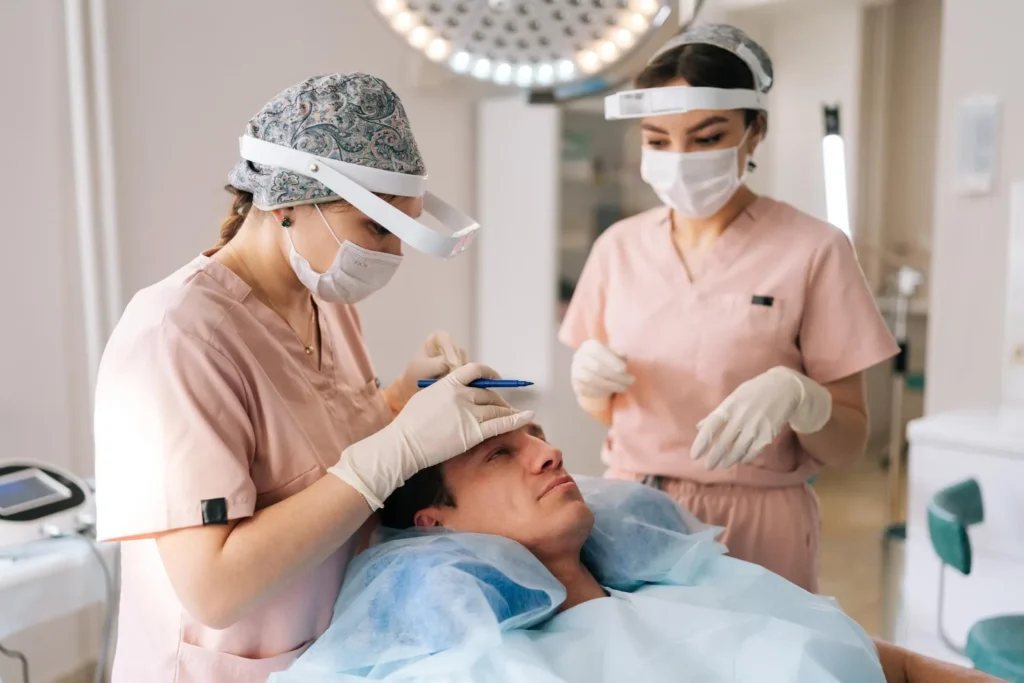
On the morning of your procedure, you’ll arrive at our facility on the Upper East Side. You’ll be greeted by my dedicated team, who will guide you through the pre-operative preparations. We’ll review the surgical plan, and I’ll answer any last-minute questions you might have. It’s crucial that you feel confident and calm before we begin.
The anesthesia is a key component of your surgery. I often use twilight anesthesia, which allows you to remain in a state of deep relaxation without the full unconsciousness of general anesthesia. You’ll wake up more alert, with less grogginess and a quicker recovery time.
Once you’re comfortably sedated, we begin the surgery. The incision placement is meticulously planned. Typically, incisions are made along the natural creases around the ears and hairline, which helps to conceal any scarring. The goal is to make these incisions virtually invisible, blending seamlessly with your natural contours.
The facelift procedure involves several precise steps. First, I lift and reposition the underlying tissues and muscles to restore a youthful structure. This step is essential for achieving natural and long-lasting results. Unlike techniques that only tighten the skin, addressing the deeper layers prevents the “over-pulled” look that many patients fear.
Next, I carefully remove any excess skin. Removing just the right amount ensures a natural look — one that reflects a refreshed version of yourself without appearing artificial. My approach is always to preserve your unique facial identity while offering rejuvenation.
The entire surgery typically lasts between three to five hours, depending on the complexity of your case and whether we’re combining procedures like a neck lift or eyelid surgery. After the procedure, you’ll spend some time in our recovery room, where my team will monitor you as you wake up. Once you’re stable, you’ll be discharged with detailed post-operative instructions tailored to your specific needs.
Understanding Risks and Complications
Facelift surgery, like any surgical procedure, carries certain risks and complications. My dual board certifications in Facial Plastic & Reconstructive Surgery and Otolaryngology, along with my role as a Director at the AAFPRS, equip me to minimize these risks and manage any complications effectively.
One of the primary concerns is the risk of infection, which, while rare, can occur. Stringent sterilization protocols are in place to protect you. Should an infection arise, early intervention with antibiotics typically resolves the issue. Hematoma, or a collection of blood outside of blood vessels, is another risk. Early detection and treatment are critical in preventing further complications.
Nerve injury is a concern for many considering facelift surgery. While temporary numbness or tingling is common during the healing process, permanent nerve damage is exceedingly rare. My approach to surgery is meticulous, prioritizing the preservation of nerve integrity to maintain both function and sensation.
Scarring is another consideration. While incisions are strategically placed along natural lines to minimize visibility, any surgery involving incisions carries the risk of scarring. Over time, these scars typically fade and become less noticeable. In revision cases, my expertise in scar revision techniques can often improve their appearance.
There’s also the potential for dissatisfaction with the aesthetic outcome. Thorough consultations and setting realistic expectations are key to minimizing this risk. I invest time in understanding your vision and aligning it with what can be achieved surgically — particularly for those who have had unsatisfactory results elsewhere and are seeking revision surgery.
Lastly, there’s the emotional aspect. Surgery is a significant undertaking, and it’s not uncommon to experience a range of emotions during recovery. From initial swelling to waiting for final results, patience is vital. Open communication throughout your journey is encouraged, offering support and reassurance when needed.
Results and Long-Term Expectations
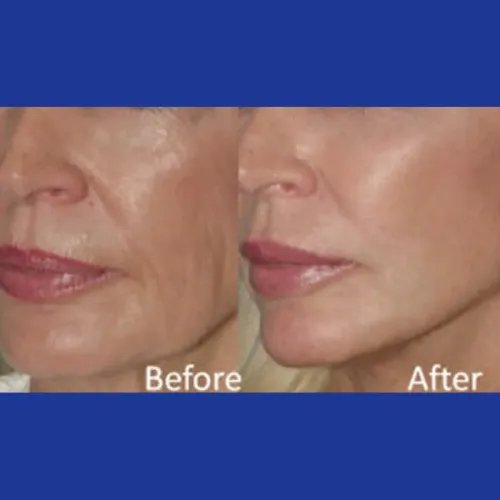
A facelift is not about chasing an unachievable ideal but about enhancing and rejuvenating your natural beauty. When you look in the mirror, you should see a refreshed version of yourself — not someone entirely different. This is the hallmark of a successful facelift.
Most patients enjoy the benefits of their facelift for about 10 to 15 years. This duration depends on several factors, including skin type, lifestyle, and genetic predispositions. However, the goal is to achieve results that age gracefully, blending seamlessly with your natural aging process.
The initial results are often visible within a few weeks as swelling subsides, but the final outcome usually takes several months to fully manifest. By then, the subtle lifting and tightening have settled, revealing a natural and youthful appearance. While a facelift can significantly enhance your facial aesthetics, it doesn’t stop the clock entirely — your face will continue to age, but from a more youthful baseline.
The cheeks appear fuller, the jawline more defined, and the neck smoother. These changes contribute to a refreshed look that often translates to increased confidence and satisfaction. Many patients report feeling more vibrant and energetic, as their exterior finally mirrors how they feel inside.
One of the most gratifying aspects of this work is hearing from patients who receive compliments about looking “well-rested” or “refreshed” without anyone suspecting they had surgery. This is the essence of a natural facelift — achieving results so harmonious with your features that they don’t announce themselves.
Protecting your skin from the sun, maintaining a healthy lifestyle, and following a skincare regimen can prolong the benefits. Regular follow-ups allow us to monitor progress and discuss any additional treatments that could complement your facelift, such as non-surgical options or minor touch-ups.
Functional Considerations in Facelift Surgery
In my Manhattan practice, I remind patients that function is equally as vital as aesthetics. Facelift surgery is not merely about lifting and tightening; it’s about ensuring that your facial structure continues to function optimally. This is where my dual board certifications in Facial Plastic & Reconstructive Surgery and Otolaryngology become invaluable. They allow me to approach each case with a comprehensive understanding of both form and function. One of the primary functional considerations in facelift surgery is the airway. Many patients are surprised to learn how closely related facial structure and breathing are. An improperly executed facelift can inadvertently tighten areas around the nose and mouth, leading to breathing difficulties. In my practice in New York City, I carefully assess each patient’s nasal and oral airway to ensure that these essential pathways are preserved or even improved during surgery. Another critical aspect is the preservation of nerve function. Facial nerves are responsible for the expressions that convey our emotions. Damage to these nerves can result in a loss of mobility and a mask-like appearance. When performing a facelift, I meticulously plan incisions and manipulations to protect these nerves, ensuring that your smile remains as expressive and vibrant as ever. The interplay between facial muscles and the skin is another factor I address. Overly aggressive tightening can lead to a “wind-tunnel” effect, where natural expressions become strained. Instead, my philosophy centers on structural refinement, allowing for a rejuvenated appearance that respects the natural harmony of your facial features. This approach not only enhances aesthetics but also maintains the integrity of muscle function, allowing for natural movement and expression.
Revision Facelift: When and Why
Revision facelift surgery is not just a second chance — it’s an opportunity to restore both form and confidence. In my Manhattan practice, I’ve encountered many patients who come to me after an unsatisfactory initial surgery, feeling disappointed and unsure if their appearance can be improved. This is where my expertise in complex and revision cases truly shines.
Revision facelift surgery is necessary when the initial results fall short of expectations, either due to aesthetic dissatisfaction or functional complications. The most common reasons for seeking a revision include unnatural results, asymmetry, excessive scarring, or functional issues like impaired movement or breathing difficulties.
What I tell patients in consultation is that revision surgery is about restoring balance and harmony, not about making drastic changes. My dual board certifications in Facial Plastic & Reconstructive Surgery and Otolaryngology allow me to address both aesthetic and functional issues, ensuring a comprehensive approach to correction.
One of the critical aspects of a successful revision facelift is a thorough evaluation of the previous surgery. Understanding what went wrong — whether it’s an overly tight appearance, displaced features, or unresolved functional issues — is crucial in planning the corrective steps. I spend considerable time assessing the existing condition and discussing realistic outcomes with the patient. This transparency builds trust and sets the stage for a successful revision.
The surgical techniques involved in a revision facelift can vary significantly from the initial procedure. I often employ advanced methods such as the deep plane facelift technique, which allows for more natural repositioning of facial tissues without undue tension. This approach not only addresses aesthetic concerns but also ensures that functional aspects, like nerve preservation and airway integrity, are meticulously attended to.
Another key factor in revision surgery is managing patient expectations. It’s essential to communicate that while significant improvements can be achieved, the goal is a natural and harmonious result, not perfection — especially in cases where previous surgeries have left considerable scarring or structural changes.
Cost and Value of Facelift Surgery
The results are not just about looking younger — they’re about restoring harmony and balance to your features, enhancing your natural beauty while preserving your unique identity. This is particularly true for those who have previously felt dissatisfied with their appearance due to aging or past surgeries. The value of feeling comfortable and confident in your own skin cannot be overstated.
Another important aspect to consider is the expertise and credentials of the surgeon performing your facelift. With dual board certifications in Facial Plastic & Reconstructive Surgery and Otolaryngology, as well as the role of AAFPRS Director, a wealth of knowledge and experience is brought to each procedure. This level of expertise is a significant factor in achieving the best possible outcomes, minimizing risks, and ensuring satisfaction with the results.
In my practice, I prioritize thorough consultations and clear communication to align your expectations with the achievable results. This upfront investment in time and understanding helps to mitigate the risk of dissatisfaction, ensuring that you’re not just spending money but gaining value in the form of results that resonate with your vision.
The cost reflects not just the surgery itself, but also the comprehensive care and expertise that accompany it. From pre-surgical consultations to post-operative follow-ups, we are committed to supporting you throughout your journey. This holistic approach is designed to maximize the value you receive, ensuring that every aspect of your experience contributes to a positive outcome.
Complementary Procedures for Enhanced Results
Complementary procedures can enhance your facelift results and lead to a more harmonious and comprehensive rejuvenation. This isn’t about doing more for the sake of it — it’s about achieving a balanced, natural look that truly reflects your inner vitality.
Eyelid Surgery (Blepharoplasty)
One of the most frequently paired procedures with a facelift is eyelid surgery, or blepharoplasty. The eyes are often the first area to show signs of aging, with drooping eyelids or under-eye bags contributing to a tired appearance. By addressing these concerns alongside a facelift, we can create a more refreshed and youthful look. The natural shape of the eyes is maintained, ensuring that any changes are subtle and preserve your unique expression.
Brow Lift
Brow lifts are another procedure that can complement a facelift beautifully. As we age, the brow can descend, leading to a heavy or furrowed appearance. A brow lift can elevate and smooth the forehead, opening up the eyes and enhancing the overall facial aesthetic. A brow lift doesn’t mean a permanently surprised look — it’s about restoring a youthful position and softness to the brow.
Neck Lift
Neck lifts are commonly performed in conjunction with facelifts. A sagging neck can detract from an otherwise youthful face, and addressing both areas simultaneously ensures a seamless transition from the face to the neck. This combined approach allows for a smoother contour and a more refined profile, enhancing the overall rejuvenation effect.
Non-Surgical Treatments
Non-surgical treatments, such as injectable fillers or Botox, can further refine the results of surgical procedures. These treatments can enhance facial volume or smooth out fine lines, complementing the structural changes achieved through surgery. These minimally invasive options provide an excellent way to maintain results over time and can be part of a long-term maintenance plan.
Patient Testimonials and Success Stories
“I was terrified of looking ‘done’ or losing what made me look like me. Dr. Mourad understood my concerns from our very first consultation. After my facelift, not only did I look refreshed, but my friends kept saying how ‘rested’ I appeared. No one suspected surgery. It’s the natural result I was hoping for.”
Emily, Upper East Side
“I was hesitant about revision surgery, but Dr. Mourad’s reputation for handling complex cases gave me confidence. The results were beyond what I imagined. Finally, I feel at ease with my appearance.”
Michael, Westchester
“The combination of a facelift and eyelid surgery was exactly what I needed. Dr. Mourad’s attention to detail and understanding of facial dynamics were evident. I love how my eyes look brighter and more open, complementing the lift.”
Sarah, Park Avenue
Media Features and Publications
Being recognized in reputable media platforms is not just about visibility — it’s about demonstrating the standards of excellence and innovation upheld in my Manhattan practice. I’ve had the privilege of being featured in several leading publications that discuss advancements in facial plastic surgery.
In addition to media appearances, contributions to academic literature further solidify standing in the surgical community. As an author of textbooks on facial plastic surgery, I delve into the intricate balance of aesthetics and functionality. These publications represent the culmination of experience, insights, and a commitment to advancing the field.
My role as a Director at the American Academy of Facial Plastic and Reconstructive Surgery (AAFPRS) speaks to the level of trust peers place in my expertise. Through this position, I actively contribute to setting the standards and guidelines that drive the industry forward. This continuous pursuit of excellence ensures that my patients receive care that is both innovative and rooted in proven methodologies.
FAQ: Your Facelift Questions Answered
How do I prepare for facelift surgery?
Preparation includes stopping smoking and avoiding certain medications like aspirin or anti-inflammatories, which can increase bleeding risks. You’ll also want to arrange for someone to help you during the initial recovery phase. A healthy diet and hydration are beneficial, as they aid in healing. Being in optimal physical health sets the stage for the best results.
What areas of the face does a facelift address?
A facelift primarily targets the lower two-thirds of the face, focusing on sagging skin, jowls, and neck laxity. The midface and cheek areas are also assessed to ensure a harmonious rejuvenation. Complementary procedures like eyelid surgery or a brow lift can be discussed during consultation to enhance the overall results.
What anesthesia options are available for facelift surgery?
Dr. Mourad typically uses either general anesthesia or twilight sedation, depending on the complexity of the procedure and patient preference. Twilight sedation allows you to be in a deeply relaxed state while still breathing on your own, with a quicker recovery. The best option will be discussed during your consultation.
Can facelift surgery be combined with other procedures?
Absolutely. Many patients choose to combine facelift surgery with a neck lift, eyelid surgery, or non-surgical treatments like Botox or fillers. Combining procedures can provide more comprehensive rejuvenation and allow for simultaneous healing.
What is the recovery process like after a facelift?
Immediately after surgery, expect some swelling and bruising, which subsides over time. Most patients return to normal activities within 2 to 3 weeks, following a detailed day-by-day recovery plan. Support and guidance are provided throughout every stage of the recovery process.
How long do facelift results last?
Facelift results generally last 10 to 15 years. Factors such as skin quality, lifestyle, and genetics influence how long the effects endure. Protecting the skin from sun damage and maintaining a healthy lifestyle can help prolong the benefits.
Is it possible to achieve natural-looking facelift results?
Absolutely. The goal is for you to look like a refreshed version of yourself, not someone else. Patients often share that friends and family comment on how rested or vibrant they look, without suspecting surgery. This is the hallmark of a successful facelift — achieving harmony with your natural features.
What if I regret having the surgery?
Thorough pre-surgical consultations are key to mitigating regret. Goals, expected outcomes, and all concerns are discussed in detail to ensure your expectations align with what can be achieved. Choosing a surgeon with the right expertise — dual board certifications and experience in complex cases — greatly reduces the likelihood of dissatisfaction.
Can a facelift be performed on ethnic skin types?
Yes. Each facelift is tailored to respect ethnic diversity, with careful consideration of skin elasticity, pigmentation, and healing tendencies. This ensures natural and respectful enhancements that honour each patient’s unique heritage and beauty.
Patient Experiences
Frequently Asked Questions: Facelift Surgery
- Deep Plane Facelift: This advanced technique lifts the deeper facial layers, not just the skin. The incisions are hidden around the ear and into the hairline. It repositions underlying structures for natural movement, removes excess skin, and often includes neck liposuction. Dr. Mourad may also tighten the neck muscles using a small incision under the chin.
- Mini Facelift: Targeting the lower face and jowls, this less invasive surgery involves smaller incisions and a shorter recovery time. It lifts and firms the cheeks and jawline with subtle yet noticeable results. Ideal for those with early signs of aging.
- Short-Scar Facelift: Similar to a deep-plane facelift, this version uses a smaller incision that does not extend into the hairline. It works best for patients with minimal neck sagging. This option limits scarring but requires careful candidate selection.
- Endoscopic Facelift: Using small instruments and a camera, Dr. Mourad performs this lift through tiny incisions. It targets the midface and neck with less visible scarring. Ideal for patients looking to improve specific problem areas without a full lift.
- Skin Lift: For patients with mild skin laxity but strong underlying support, a skin lift can remove excess tissue and refresh the appearance. This procedure can also correct scarring from past facelifts and is often done under local anesthesia in the office.
- Lunchtime Lift: This approach uses threads or lasers for a quick lift with minimal downtime. However, the results tend to be short-lived and can cause dimpling or puffiness. While Dr. Mourad is trained in these methods, he does not recommend them due to their inconsistent results and temporary effects.