Theoretical Foundations of Self-Perception and Facial Aging
Self-discrepancy theory and the age–identity gap
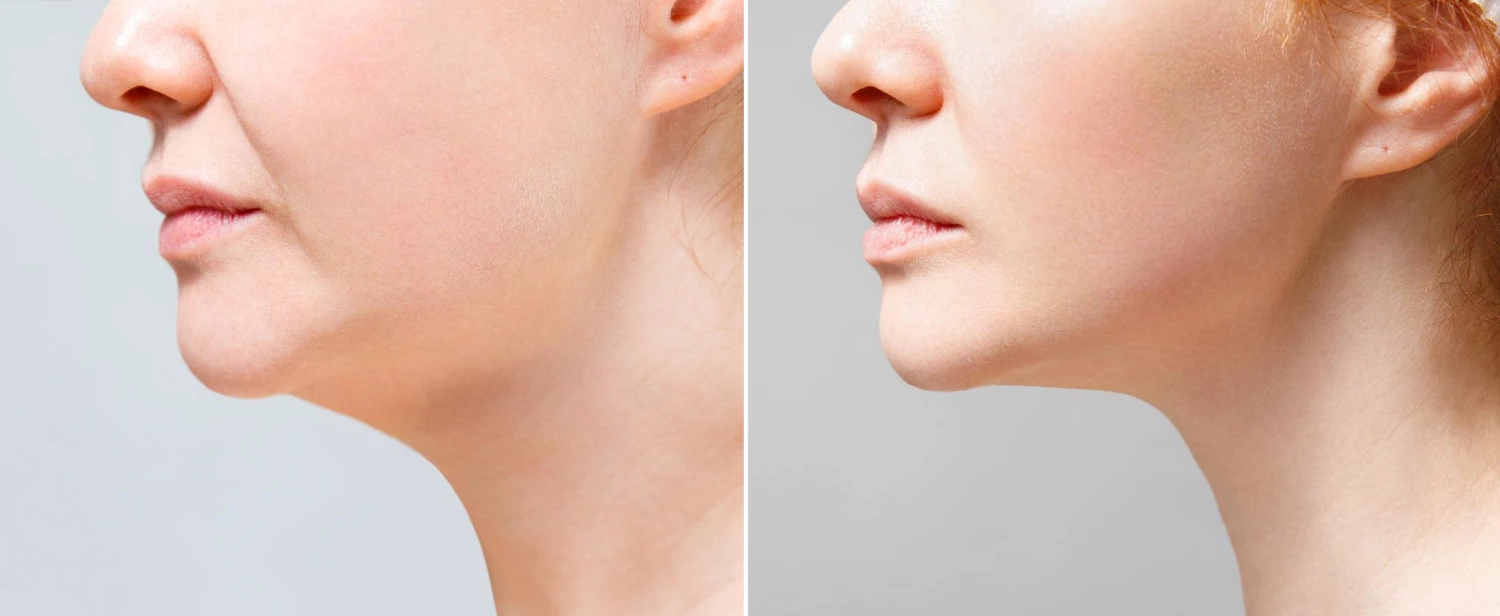
Self-discrepancy theory says our well-being tracks the distance between who we are now and who we want (or feel we ought) to be. And for many adults, the face is a core piece of identity. As midlife unfolds, people often feel an “age–identity gap”: they feel younger than the mirror shows. Aging cues—soft-tissue descent (ptosis), deeper nasolabial folds, jowling—signal an identity some don’t recognize internally. When a facelift narrows that gap, it can ease cognitive dissonance: the social “mirror” lines up more closely with the inner self, which can calm self-consciousness and lift mood.
Sociometer theory, impression formation, and facial cues
Sociometer theory views self-esteem as a kind of social barometer. Facial appearance is a quick heuristic in first impressions—people infer competence, warmth, vitality, even trustworthiness from contour, symmetry, and resting angles of the mouth and eyes. Age-related descent can read as fatigue or sadness; lifting and rebalancing soft tissues can change how others read your emotional state (even if that wasn’t the primary goal). If social feedback becomes warmer—more eye contact, friendlier responses—self-esteem tends to follow suit.
Identity continuity and the narrative self
Across adulthood, we maintain a narrative self: a story about who we are. Abrupt shifts in appearance (after illness, weight changes, or just too many high-resolution photos) can disrupt that story. A facelift, when aligned with one’s values, can restore narrative continuity. Patients often say, “I look like myself again,” not “I look different.” That sense of continuity stabilizes mood and frees up mental energy that was previously spent managing the mismatch.
Social comparison, ageism, and lookism as moderators
Outcomes don’t happen in a vacuum. Social comparison—and bigger forces like ageism and lookism—shape both pre-op dissatisfaction and post-op satisfaction. In settings where youthfulness gets rewarded (certain industries, dating markets, image-centric communities), the psychosocial payoff can be larger—but so can the risk of tying self-worth too tightly to appearance. Naming this context is key for ethical counseling and setting expectations.
Mechanisms Translating Aesthetic Change into Confidence
Schema updating and reduced appearance-focused attention
Cognitive models suggest we all hold appearance schemas that pull attention toward perceived flaws. After a successful facelift, the most salient aging cues recede, and the schema updates. Over time, the attentional magnet toward the lower face/neck weakens. Less self-monitoring means less social anxiety and more mental bandwidth for actual life—similar to attentional bias shifts seen in anxiety research.
Expectancy, placebo, and attribution
Expectations matter—a lot. Anticipating a good outcome can influence mood, pain, and subjective ratings. Pre-op counseling, surgeon poise, and peer stories all shape expectancy. Yes, nonspecific (placebo) effects can buoy early satisfaction, but lasting gains typically require visible change plus social reinforcement. In day-to-day practice, the goal isn’t to separate expectancy from surgical impact so much as to keep counseling transparent and expectations realistic.
Positive feedback loops
Behavior compounds benefit:
- Social reinforcement: When coworkers say, “You look rested,” that validation reshapes self-beliefs.
- Reduced avoidance: People who dodged photos or networking start to show up. Exposure lowers anxiety; mastery rises.
- Behavioral activation: Confidence sparks healthy habits—exercise, skincare adherence, a refreshed wardrobe—that further elevate self-image.
Embodied cognition: expression and self-perception
Facial configuration shapes emotion display and social signaling. Downturned corners of the mouth or platysmal banding can imply sadness or tension at rest. Restoring a neutral or subtly uplifted contour can reduce misread negative affect from others and, via facial feedback, nudge the patient’s own mood. Clearer cues also help others read emotions more accurately, making interactions smoother (and less fraught).

Postoperative Optimization and Sustaining Psychological Gains
Perioperative counseling and expectation recalibration
Confidence isn’t a straight line. Proactive guidance helps:
- Edema and ecchymosis: Expect asymmetry, firmness, and “pixie ear” worries early on; aim for weekly—not daily—progress checks.
- Communication cadence: Set touchpoints at postoperative days 1–2, week 1, week 3, and months 2–3 to reduce uncertainty and catastrophizing.
- Reframing: Track functional wins (sleep comfort, fewer analgesics) alongside aesthetic milestones.
Adherence to recovery protocols
Agency boosts confidence:
- Scar care: Start silicone gel or sheets once incisions epithelialize; add pigmentation care and massage as advised.
- Photoprotection: Daily broad-spectrum SPF 30+, plus hats/shade to protect scars and collagen.
- Lymphatic massage: When cleared, gentle techniques can ease swelling and discomfort.
- Lifestyle behaviors: Avoid nicotine, prioritize protein, and resume activity gradually to support healing.
Measuring outcomes and follow-up
Structured PROMs keep everyone grounded:
- Serial FACE-Q: Baseline, 6 weeks, 3 months, 6 months, and 12 months—map the psychosocial arc.
- Thresholds for referral: Consider behavioral health if PROMs show persistent decline, preoccupation intensifies, or daily life suffers.
- Touchpoints for refinement: Minor revisions or adjunctive treatments (neuromodulators, skin-quality therapies) can address residual concerns—after careful assessment to avoid chasing diminishing returns.
Ethical communication and patient empowerment
Responsible messaging sustains trust:
- Claims substantiation: Share aggregate FACE-Q improvements when available; avoid guaranteeing confidence or blurring correlation and causation.
- Equity and inclusion: Don’t equate worth with youth; represent diverse ages, skin types, and gender identities.
- Realistic narratives: Help patients set non-appearance goals (social engagement, leadership presence) and track those alongside aesthetic outcomes.

From Our Blog

What Is a Deep Plane Facelift and Why Do Top Surgeons Prefer It?
The deep plane facelift has become the go-to choice for many top facial plastic surgeons—and for good reason. Instead of just pulling skin tight, it works where aging actually happens: in the deeper support layers of the face.
READ THE ARTICLE
What’s the Safest Age to Get a Facelift—and When Is It Too Early?
There isn’t a magic birthday for a facelift. The “safest” age is when your anatomy and skin will clearly benefit more from surgical lifting than from nonsurgical fixes—and when your health makes an elective procedure low risk.
READ THE ARTICLE
Mini Facelift vs. Full Facelift: Technical Differences, Candidacy, and Outcomes
A facelift isn’t one single operation—it’s a range of techniques tailored to how (and where) you’re aging. “Mini facelift” and “full facelift” are common labels, but they point to very different levels of dissection, how deeply tissue is moved, and how much work is done in the neck.
READ THE ARTICLE
Is a Facelift Worth It Compared to Non-Surgical Alternatives? A Clinical, Economic, and Patient-Centered Analysis
Interest in facial rejuvenation has never been higher, but the menu of options—from injectables and energy devices to deep-plane facelifts—can feel overwhelming. Patients often ask a deceptively simple question: is a facelift “worth it” compared to non-surgical treatments?
READ THE ARTICLE