How to Choose the Right Facelift Surgeon: Credentials, Red Flags, and Real Questions

Choosing to have a facelift is a big deal—one that will affect how you look (and feel) for years. The surgeon you choose is the single biggest factor in your outcome. This guide breaks down how facelift surgery actually works, which credentials and facilities matter, what to avoid, the real questions to ask in a consult, and a practical checklist so you can make a confident, evidence-based decision.

Understanding Facelift Surgery and the Surgeon’s Role

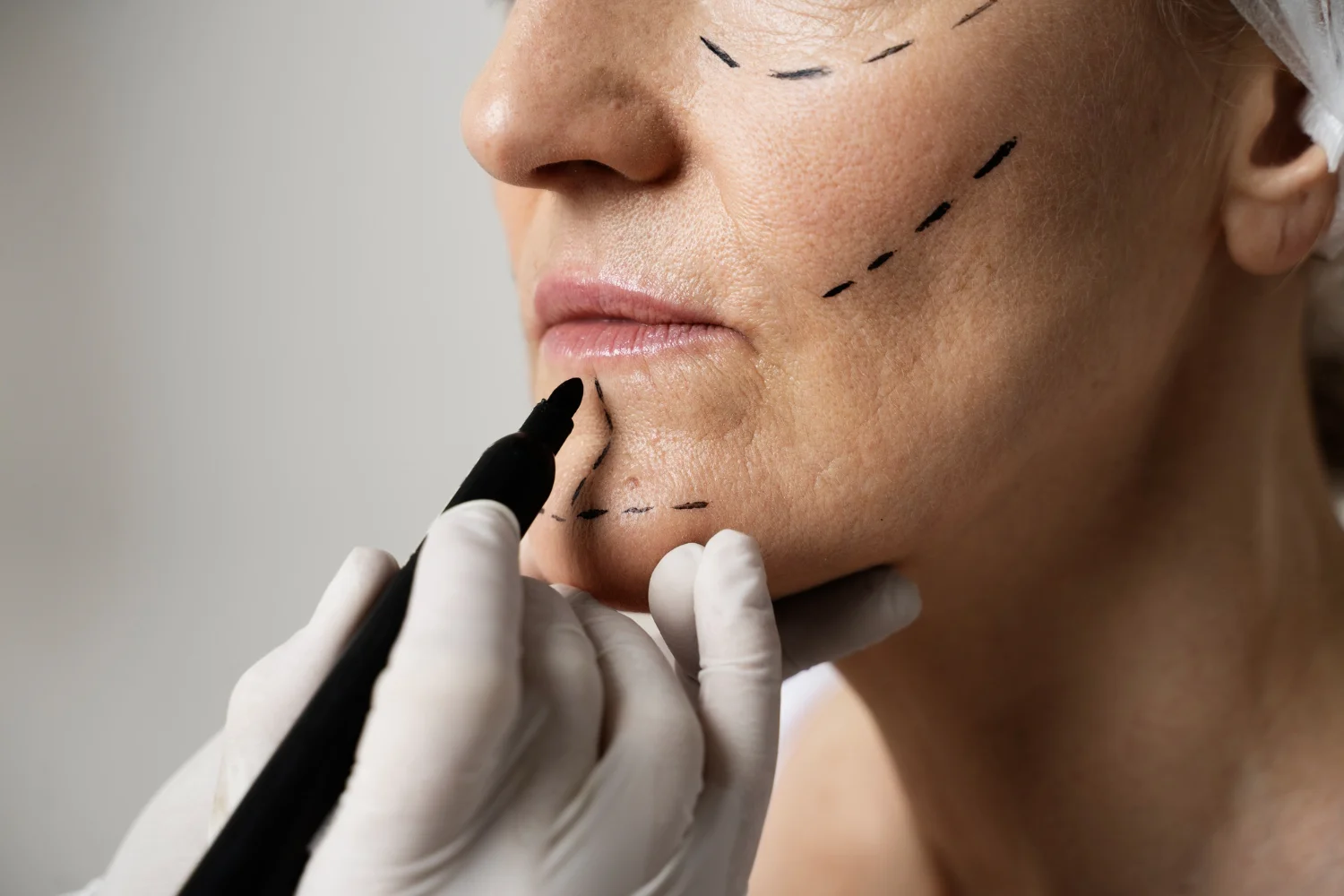
A facelift (rhytidectomy) isn’t one set-in-stone operation. It’s a family of techniques meant to address aging in the lower face and neck. Knowing what’s in scope helps you evaluate a surgeon’s plan and skill.
  • Scope and indications: Facelifts target jowls, laxity along the jawline, marionette folds, and neck banding. They don’t directly fix skin quality or fine lines, or rejuvenate the upper face—that’s where skin resurfacing, eyelid surgery, or a brow lift may come in.
  • SMAS and neck components: Modern facelifts work beneath the skin on the SMAS (superficial musculoaponeurotic system). You’ll hear terms like SMAS plication/imbrication, high-SMAS, extended, or deep-plane facelift. The neck is often treated at the same time with a platysmaplasty (tightening the neck muscle) and, when appropriate, submental work like fat contouring, digastric muscle trimming, or submandibular gland management.
  • Adjunct procedures: The best rejuvenation plans often combine facelift with fat grafting (to restore midface/temporal volume), perioral refinement, skin resurfacing (laser or chemical peel), and blepharoplasty. A good surgeon tailors the mix to your anatomy and goals—not a one-size-fits-all “package.”

Surgeon specialties and pathways

Two core specialties commonly perform facelifts:
  • Plastic Surgeons (ABPS): Board-certified by the American Board of Plastic Surgery (an ABMS-recognized board). Training covers aesthetic and reconstructive procedures of the face and body.
  • Facial Plastic Surgeons: Usually board-certified by the American Board of Otolaryngology—Head and Neck Surgery (ABOHNS, ABMS-recognized). Many also hold subspecialty certification from the American Board of Facial Plastic and Reconstructive Surgery (ABFPRS). Note: ABFPRS isn’t an ABMS board; it’s a respected add-on credential layered on top of ABOHNS.
In Canada, look for Royal College (RCPSC) certification in Plastic Surgery or Otolaryngology–Head & Neck Surgery.

Operative team dynamics

Great results aren’t just about the surgeon’s hands—they’re about the team and systems around them.
  • Anesthesia: A board-certified anesthesiologist or a CRNA under physician supervision using general anesthesia or TIVA (total intravenous anesthesia) with airway control. They manage blood pressure and pain, which is key for preventing hematomas.
  • Nursing and tech staff: A coordinated team that nails sterile protocols, instrument handling, and postoperative monitoring.
  • Perioperative coordination: Pre-op optimization, surgical time-out checklists, DVT prevention, and a structured follow-up plan all reduce risk and smooth recovery.

Outcomes and safety metrics to expect

Any serious facelift surgeon should know their numbers—and be willing to discuss them.
  • Hematoma (blood collection) rate: Generally 1–5% overall; higher in males and hypertensive patients (can be up to ~8%). Most occur within 48 hours and need prompt care.
  • Temporary nerve weakness (neuropraxia): ~1–5%; usually resolves within weeks to months. Permanent nerve injury is uncommon (<1%).
  • Skin necrosis: Usually <1–2%; risk rises with smoking or nicotine use.
  • Infection: Typically <1%.
  • DVT/PE: Rare in facelift surgery (<0.1%), but higher with certain patient factors and longer operations.
  • Revision/touch-up rate: Roughly 5–15% within 1–2 years (think minor scar revisions, asymmetry tweaks, or additional contouring).
These numbers vary with technique, patient factors, and the surgeon’s practice. You’re looking for transparency and a coherent safety plan—not a “perfect” stat line.
Choose the Right Facelift Surgeon

Credentials That Matter and How to Verify Them

Board certification: what counts

  • United States (ABMS-recognized boards):
    • American Board of Plastic Surgery (ABPS), or
    • American Board of Otolaryngology—Head and Neck Surgery (ABOHNS).
    • Many facial plastic surgeons also hold American Board of Facial Plastic & Reconstructive Surgery (ABFPRS) certification; treat this as an added specialty credential, not a substitute for ABMS certification.
  • Canada (RCPSC):
    • Royal College certification in Plastic Surgery or Otolaryngology–Head & Neck Surgery.
How to verify: Use the ABMS Certification Matters site and the RCPSC public registry. Then cross-check your state/province medical board for license status and any sanctions.

Hospital privileges and accredited facilities

  • Hospital privileges: Confirm the surgeon has facelift privileges at a local hospital. Hospitals vet training and competence—this is a big quality signal, even if your surgery happens in an outpatient center.
  • Accredited operating rooms: For office-based or ambulatory surgery, look for accreditation by AAAASF, AAAHC, or The Joint Commission. That stamp means safety standards, anesthesia oversight, sterility, and emergency readiness have been audited.
Ask to see accreditation certificates and confirm the anesthesia provider’s credentials. If there’s hemming and hawing, that’s telling.

Case volume and outcomes

  • Volume: There’s no magic number, but a focused facelift practice often does 30–100+ facelifts a year. Ask for the number in the last 12 months and total lifetime experience.
  • Complication and revision rates: Request their specific hematoma, infection, nerve injury, reoperation, and revision rates—defined over a consistent timeframe (e.g., 12–24 months).
  • Patient selection: Good surgeons will also explain how they select and optimize patients to lower risk. That judgment matters.

Before-and-after portfolio and reviews

  • Consistency: Same lighting, camera, distance, and angles (front, oblique, true profile). Hair pulled back. Ears and sideburns visible.
  • Timing: Include both early (around 6 weeks) and mature (6–12 months) results to show scar maturation and durability.
  • Authenticity checks: Look for pores, natural skin texture, and unretouched backgrounds. Be cautious with heavy “after” makeup.
  • Reviews: Prioritize detailed reviews that describe the process and follow-up, not just “love my results!” Repeated themes—good or bad—tend to be the truth.

Red Flags You Should Not Ignore

  • High-pressure tactics: “Today only” pricing, limited-time discounts, or non-refundable deposits before a real medical consult.
  • Unrealistic promises: “No scars,” “no downtime,” or guaranteed results. Every surgery leaves scars—and recovery is real.
  • Facility gaps: No hospital privileges, a non-accredited office OR, or a fuzzy anesthesia plan. If they can’t name the anesthesia provider or accreditation body, walk away.
  • Social media manipulation: Filters, “beauty modes,” inconsistent angles, or only early post-op photos with no 6–12 month follow-up.
  • Superficial consent: No discussion of risks, alternatives, or the possibility of revision. Evasiveness around complications is a hard no.
  • Lack of perioperative protocols: No written instructions for medications, blood pressure control, or emergency transfer pathways.
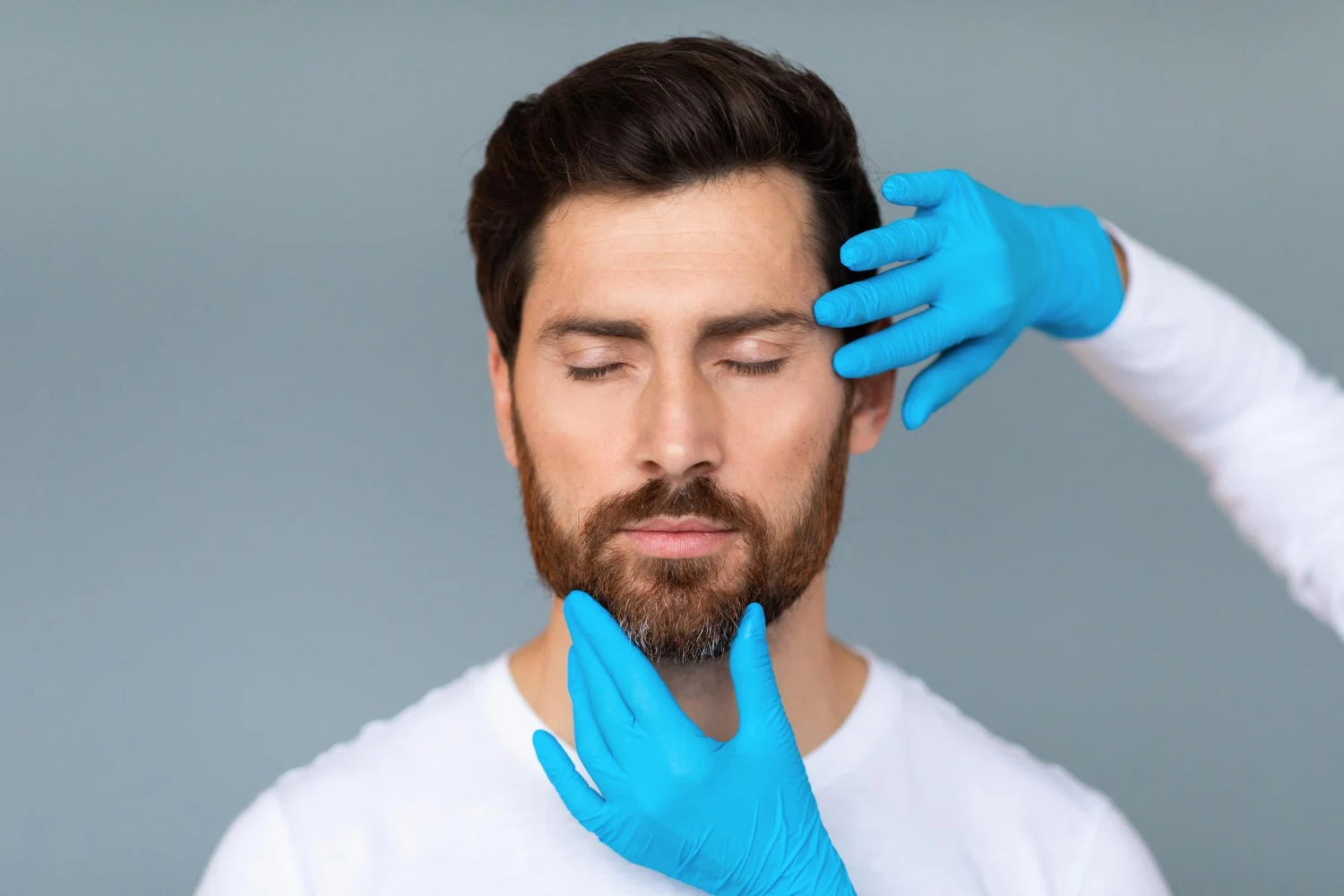
A reputable surgeon will slow things down if you’re not medically ready—and often encourage second opinions. That’s what good judgment looks like.
Choose the Right Facelift Surgeon

Evidence-Based Questions to Ask in Consultation

Go in with a plan. Your goal: assess technical fit, safety systems, aesthetic alignment, and financial clarity.

Technique selection

  • Which facelift approach fits my anatomy—deep plane, high-SMAS, SMAS imbrication/plication, or a composite approach—and why?
  • How do you address the neck? Do you perform a medial platysmaplasty through a submental incision when it’s indicated?
  • Will you consider subplatysmal work (e.g., digastric/submandibular gland management) if needed? What are your thresholds?
  • Do you combine autologous fat grafting for midface/temporal volume? How do you avoid overcorrection?
  • What’s your philosophy on incision design to preserve natural hairlines and prevent earlobe distortion (pixie ear)?
Look for patient-specific reasoning—not a single brand-name lift for everyone.

Safety protocols

  • What’s your hematoma prevention strategy? Do you use strict intra/post-op blood pressure targets, TXA, and meticulous hemostasis? Drains or other techniques to reduce dead space?
  • How do you stratify DVT/PE risk (e.g., Caprini score), and what prophylaxis do you use (SCDs, early ambulation, chemoprophylaxis for high-risk patients)?
  • What sterile practices and antibiotic protocols do you follow? (Single pre-op dose vs. prolonged antibiotics?)
  • Who provides anesthesia, and what are their credentials? Is the OR accredited, and where would an emergency transfer occur?
  • If a hematoma develops after hours, what happens—who do I call, and how quickly will I be seen?

Recovery and aftercare

  • Will I have drains? If so, for how long? Will I wear a compression garment, and for how many days?
  • What pain should I expect, and how do you manage it (multimodal regimens, limited opioids)?
  • What’s your follow-up schedule (e.g., day 1–2, day 7, 2–3 weeks, 3 months, 6–12 months)?
  • When can I return to desk work, exercise, and social events without obvious swelling or bruising?
  • What are your scar care and sun protection recommendations?
Typical timelines: back to desk work in 10–14 days; exercise after 3–4 weeks; “public ready” in 3–6 weeks; final refinement at 3–6 months, with scars maturing through 12+ months.

Cost transparency

  • Can you provide an itemized quote—surgeon fee, facility fee, anesthesia fee?
  • What’s included (post-op garments, follow-up visits, scar care products)?
  • What are your revision and touch-up policies, including surgeon and facility fees?
  • What are your cancellation and rescheduling terms? If a complication requires a return to the OR, how is that billed?
Expect a comprehensive written estimate. Be wary of vague “all-in” numbers with no line items.

A Practical Due Diligence Checklist and Decision Framework

Here’s a step-by-step way to narrow your choices without second-guessing yourself later.

1) Verify professional standin

  • Confirm active medical license and check for sanctions via your state/provincial medical board.
  • Verify ABMS or RCPSC certification: ABPS or ABOHNS (with or without ABFPRS), or RCPSC (Plastic Surgery or Otolaryngology–HNS).
  • Confirm hospital privileges for facelift/rhytidectomy.
  • Search public court records for malpractice history in your area. Patterns matter more than one-off cases.

2) Evaluate facilities and team

  • Validate OR accreditation (AAAASF, AAAHC, or The Joint Commission).
  • Identify anesthesia provider credentials and the staffing model (MD anesthesiologist vs. CRNA under supervision).
  • Ask about emergency equipment (airway cart, defibrillator), transfer agreements, and postoperative monitoring.

3) Compare 2–3 surgeons on quality and fit

  • Aesthetic alignment: Do their long-term results match the look you want—natural jawline, appropriate neck contour, preserved hairline, subtle midface support?
  • Communication: Do they educate without overselling, answer directly, and set realistic expectations?
  • Patient experience: Is there a clear process for pre-op optimization, day-of-surgery logistics, and after-hours access? Are you meeting the surgeon who will operate, and do they examine and photograph you thoroughly?

4) Medical readiness

  • Nicotine cessation: Stop all nicotine—cigarettes, vaping, gum/patches—for at least 4–6 weeks before and after surgery to cut skin necrosis and healing problems.
  • Medication management: Disclose every prescription and supplement. Many surgeons pause blood thinners, high-dose fish oil, and certain herbs that increase bleeding; don’t stop prescriptions without coordinating with your prescribing physician.
  • Blood pressure and glucose: Get them well controlled before surgery; hypertensive spikes drive hematoma risk.
  • Weight stability and expectations: Large weight changes after surgery can shift results. Talk through what’s realistic for your anatomy and skin.

5) Logistics and contingency planning

  • Caregiver support: Arrange a responsible adult for the first 24–48 hours; many practices require it.
  • Travel timing: Flying in? Plan to stay locally 7–10 days for early follow-ups; delay long flights to reduce DVT risk.
  • Time off: Schedule 2 weeks for desk work—more if you’re very public-facing.
  • Complication coverage: Clarify how emergencies are handled, whether insurance can be used for complications, and potential out-of-pocket costs.
  • Documentation: Get written pre- and post-op protocols and emergency contact instructions.

Choose the Right Facelift Surgeon

Real-World Scenarios to Inform Your Choice

  • A healthy 58-year-old woman considering a deep-plane facelift with neck work: The surgeon recommends platysmaplasty and conservative midface fat grafting, uses a blood-pressure–controlled anesthetic with drains for 24 hours, and schedules follow-ups at day 1, day 7, 3 weeks, 3 months, and 1 year. They share a 2.5% hematoma rate and show 12-month photos with matched lighting. That’s thoughtful planning and data transparency.
  • A 65-year-old man with hypertension and prior neck liposuction: The surgeon explains the higher hematoma risk and outlines strict BP management, considers subplatysmal adjustments for neck bands, and advises longer social downtime. Naming the risk—and the plan—signals judgment.
  • A clinic pushing a “scarless lunchtime lift” with heavy discounts: If you book within 24 hours and can’t name an accredited facility or anesthesia provider. The gallery shows only 1–2 week results. Classic red flags.

Conclusion

Picking a facelift surgeon shouldn’t feel like a leap of faith—it should feel like a methodical, smart choice. Prioritize ABMS or RCPSC board certification, hospital privileges, accredited facilities, and a cohesive anesthesia/nursing team. Expect a candid, anatomy-specific plan; transparent outcome data; and a robust safety strategy. Use the questions and checklist above to evaluate at least two or three surgeons, confirm your medical readiness, and plan the logistics.
 
The right surgeon will make you feel informed and unrushed, align with you on aesthetics and safety, and back up their recommendations with experience and metrics. Do your homework, and you’ll dramatically improve the odds of a natural, long-lasting result—and a smoother journey from consult to recovery.
Proper incision care

Schedule Your Appointment 
with Dr. Mourad

If you are considering facial plastic surgery and want results that enhance your natural beauty without looking overdone, schedule a consultation with Dr. Moustafa Mourad today. You will receive personal, expert guidance at every step—from your first visit to your final result.

From Our Blog

Emerging Trends in Facelift
January 7, 2026 | Dr. Moustafa Mourad | Uncategorized

What’s New in 2025: Emerging Trends in Facelift Surgery and Regenerative Techniques

Facelift surgery keeps moving—fast. In 2025, the focus is sharper anatomy, smarter planning, strict safety, and a thoughtful blend of regenerative biology with proven technique.
READ THE ARTICLE
Common Myths About Facelifts
January 4, 2026 | Dr. Moustafa Mourad | Uncategorized

Common Myths About Facelifts (and What Modern Surgery Actually Looks Like)

Facelifts today are not the skin-tightening procedures you might remember from decades past. Techniques have evolved—big time. Modern surgery is anatomy-driven, nuanced, and highly personalized.
READ THE ARTICLE
What Happens During a Facelift Consultation
January 2, 2026 | Dr. Moustafa Mourad | Uncategorized

What Happens During a Facelift Consultation: From Analysis to Simulation

A great facelift doesn’t start in the OR—it starts in the consult room. The best practices use a structured, data-driven process to align your goals with your anatomy, choose the right technique, anticipate risks, and preview likely results.
READ THE ARTICLE
Facelift Results
December 30, 2025 | Dr. Moustafa Mourad | Uncategorized

Facelift Results Under the Microscope: Before-and-After Photography Standards

In facial plastic surgery, strong before-and-after photos are the currency of trust. Nowhere is that truer than with facelifts (rhytidectomy), where millimeters—and even the direction of pull—tell the story. Consistent, unbiased, verifiable photography isn’t a “nice-to-have.” It’s the backbone of honest patient education, meaningful clinical audit, and defensible research.
READ THE ARTICLE
X
Welcome to our website