Determinants of Facelift Longevity
Intrinsic vs. Extrinsic Aging: Collagen–Elastin Dynamics, Photodamage, and Tissue Descent
- Intrinsic aging slowly reduces collagen I/III and elastin quality, making skin thinner and less springy. Support ligaments loosen, and the SMAS and platysma descend.
- Extrinsic aging—think sun, pollution, glycation from high-sugar diets, and nicotine—speeds up collagen breakdown and causes discoloration and rough texture. Chronic photodamage doesn’t “lift” away; it needs its own treatment to help results look fresh longer.
- Gravity and expression lines contribute to jowls, marionette lines, and neck bands. Facelifts reposition descended tissue; those mechanical forces don’t stop, so outcomes soften gradually over the years.
Patient-Specific Modifiers: Age, Genetics, Skin Phenotype, Weight Stability, and Nicotine Exposure
- Age and genetics shape tissue quality and healing. Thicker, oilier skin hides fine lines but is heavier; thin, sun-damaged skin drapes beautifully when lifted but may relapse sooner without resurfacing.
- Weight stability is huge. A 10–20 lb swing can bring back jowls or neck fullness.
- Nicotine (yes, vaping too) constricts blood vessels, raising risks of skin issues and scarring—and shortens longevity by impairing collagen remodeling.
Surgical Variables: SMAS vs. Deep-Plane Techniques, Vectoring, Fixation, and Platysmaplasty
- The SMAS is the workhorse for a durable lift. Common approaches:
- SMAS plication/imbrication: tightens or removes and resecures the SMAS.
- Deep-plane techniques: release retaining ligaments and elevate the SMAS/midface as a unit—often stronger midface rejuvenation.
- Vector choice matters. Pulling too laterally can create a “wind tunnel” look; vertical/superolateral vectors look more natural and support the midface better.
- Fixation and tissue handling affect staying power. Strong anchoring to deep, immobile fascia (e.g., mastoid fascia) helps resist relapse.
- Platysmaplasty (lateral, corset, or both) treats the neck platform. Skip it, and neck laxity often returns sooner.
Procedure Scope and Adjuncts: Neck Lift, Fat Grafting, and Skin Resurfacing Integration
- Ignoring the neck makes results look incomplete. A combined neck lift with platysma work and fat contouring typically delivers longer-lasting definition.
- Aging is also about volume. Microfat grafting to the midface, temples, and prejowl sulcus restores youthful curves and can extend the impression of youthfulness.
- Skin quality drives how “fresh” results look. Fractional CO₂ or Er:YAG resurfacing, or staged IPL/laser, refines texture and pigment so the skin matches the upgraded contours.

Maintenance Strategies to Extend and Optimize Results
Medical-Grade Skincare: Retinoids, Hydroxy Acids, Antioxidants, and Broad-Spectrum Photoprotection
- Retinoids (tretinoin or retinol) stimulate collagen and normalize cell turnover. Start once incisions are healed and your surgeon clears you (often 4–6 weeks).
- Hydroxy acids (AHA/BHA) smooth texture and support even tone; go easy if you’ve had resurfacing.
- Antioxidants (L-ascorbic acid 10–20%, vitamin E, ferulic acid) help counter oxidative stress that breaks down collagen.
- Daily broad-spectrum SPF 30+ with solid UVA coverage is nonnegotiable—reapply every 2 hours outdoors. Physical filters (zinc, titanium) are gentle post-procedure.
Nonsurgical Adjuncts: Neuromodulators, Fillers vs. Fat Grafting, RF Microneedling, Ultrasound, and Lasers
- Neuromodulators (botulinum toxin) every 3–4 months soften expression lines and subtly “extend” a youthful look.
- Fillers:
- HA fillers are reversible and great for perioral lines, marionette shadows, and tear troughs; they last 6–18 months depending on product and placement.
- Calcium hydroxylapatite or PLLA stimulate collagen for broader structural support—choose wisely to avoid overfilling.
- Autologous fat grafting, done at or after the facelift, ages with you and can be more stable long term.
- Devices:
- RF microneedling tightens superficial to mid-dermal collagen; a series of 3 sessions 4–6 weeks apart, then maintenance every 6–12 months, helps preserve skin “snap.”
- Focused ultrasound (e.g., HIFU) can maintain mild-to-moderate tightening in the right candidates.
- Lasers/IPL refine pigment and texture; fractional non-ablative options offer minimal downtime maintenance, while fractional ablative lasers deliver bigger texture gains when staged appropriately.
Lifestyle Optimization: UV Avoidance, Weight Stability, Sleep Position, Nutrition, and Nicotine Cessation
- UV avoidance—hats, shade, midday sun avoidance—is the single most powerful lifestyle tool for longevity.
- Keep weight steady to help prevent the return of jowls and neck fullness.
- Sleep on your back for the first weeks; long term, side-sleeping can create asymmetrical creasing. Silk pillowcases and mindful sleep posture help.
- Nutrition: prioritize protein, vitamin C, and omega-3s for collagen support; moderate alcohol; stay hydrated.
- Absolute nicotine cessation before and after surgery (ideally 4–6 weeks each) improves healing and preserves results.
Follow-Up Cadence: Surveillance Photography, Minor Touch-Ups, and Device Treatment Timing
- Common follow-up schedule: 1 week, 3–6 weeks, 3 months, 6 months, and 1 year—then annually. Standardized photos track changes objectively.
- Minor touch-ups (small-volume fat grafting or limited filler) are often considered at 6–12 months once tissues fully settle.
- Devices typically resume around 3–4 months (light resurfacing or RF microneedling), then build a maintenance calendar from there.
FAQs and Common Misconceptions
Does a Facelift Stop Aging or Last Indefinitely?
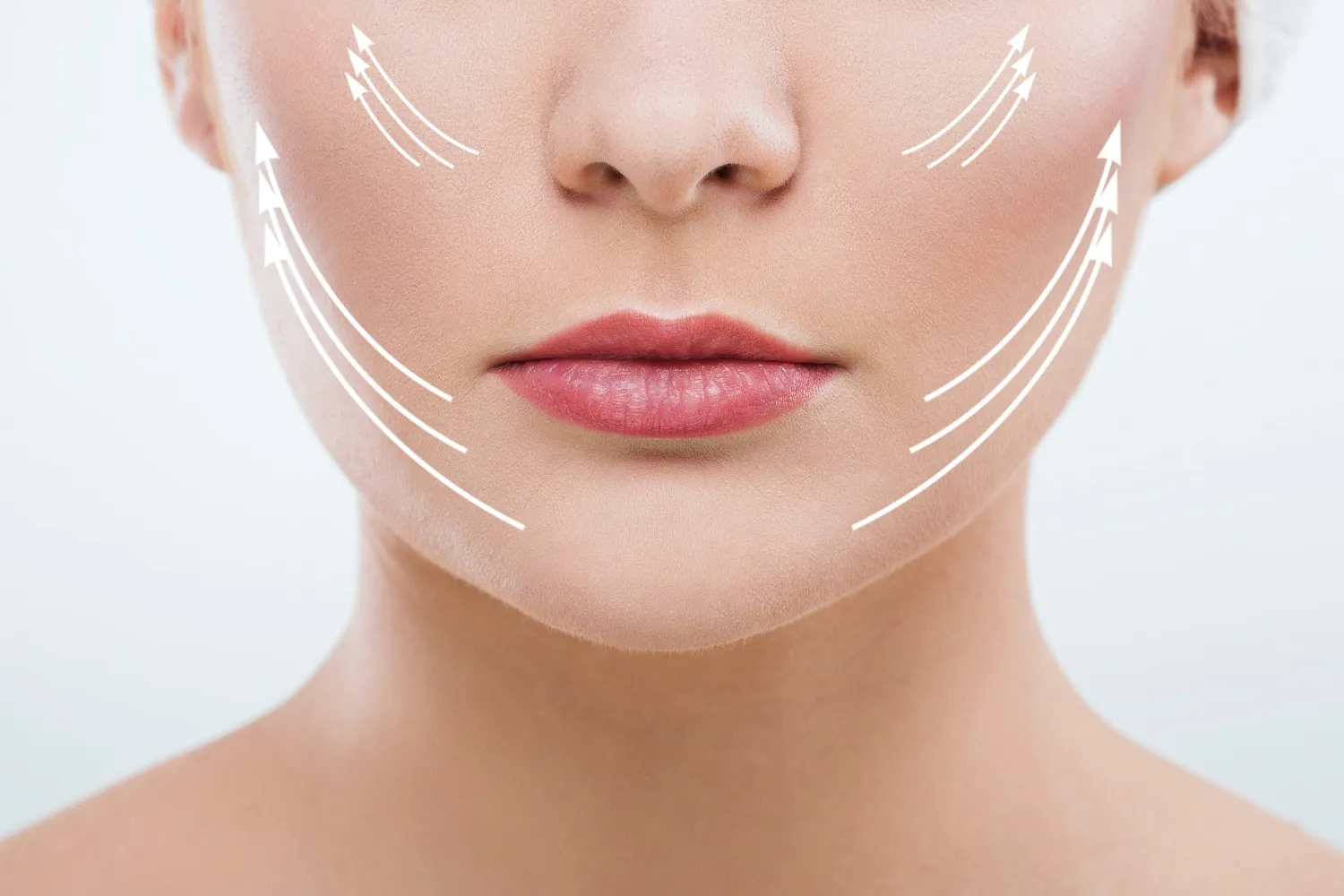
No. A facelift repositions descended tissues and improves contours, typically keeping you at a younger-looking baseline for years. Aging continues thanks to collagen loss, gravity, and environment. Most patients still feel they look better than they would have without surgery—even a decade later.
Are Thread Lifts or “Liquid Facelifts” Equivalent in Longevity?
Not for most people. PDO or PLLA threads can lift subtly for months to a year and work best for very mild laxity. Fillers restore volume but don’t move the SMAS/platysma. A surgical facelift changes the underlying architecture and typically lasts much longer.
Scars, Hairline Considerations, and Preserving Natural Facial Identity
- Thoughtful incision design hides scars along the tragus, behind the ear, and within or along the hairline while preserving the sideburn and hairline position.
- Over-tightening skin creates that “done” look. Natural, durable outcomes rely on SMAS or deep-plane repositioning, minimal skin tension, and smart vectors.
When to Consider Touch-Up or Revision: Clinical Indicators vs. Aesthetic Tolerance
- Clinical signs: recurrent jowling, neck bands, or midface descent that no longer responds to nonsurgical options; scar concerns; ear or hairline malposition.
- Timing: allow 9–12 months for full healing and scar maturation before elective revisions—unless there’s an urgent issue.
- Realistic outcomes: refinements are effective but incremental. Plan conservatively and match goals to your anatomy and healing.


From Our Blog

What Is a Deep Plane Facelift and Why Do Top Surgeons Prefer It?
The deep plane facelift has become the go-to choice for many top facial plastic surgeons—and for good reason. Instead of just pulling skin tight, it works where aging actually happens: in the deeper support layers of the face.
READ THE ARTICLE
What’s the Safest Age to Get a Facelift—and When Is It Too Early?
There isn’t a magic birthday for a facelift. The “safest” age is when your anatomy and skin will clearly benefit more from surgical lifting than from nonsurgical fixes—and when your health makes an elective procedure low risk.
READ THE ARTICLE
Mini Facelift vs. Full Facelift: Technical Differences, Candidacy, and Outcomes
A facelift isn’t one single operation—it’s a range of techniques tailored to how (and where) you’re aging. “Mini facelift” and “full facelift” are common labels, but they point to very different levels of dissection, how deeply tissue is moved, and how much work is done in the neck.
READ THE ARTICLE
Is a Facelift Worth It Compared to Non-Surgical Alternatives? A Clinical, Economic, and Patient-Centered Analysis
Interest in facial rejuvenation has never been higher, but the menu of options—from injectables and energy devices to deep-plane facelifts—can feel overwhelming. Patients often ask a deceptively simple question: is a facelift “worth it” compared to non-surgical treatments?
READ THE ARTICLE