Facial Plastic Surgery Recovery: How Long Does It Really Take?

Every patient wants to know how long recovery will take after their facial plastic surgery procedure. The answer is that recovery isn’t the same for everyone. The timeline depends on the type of facial plastic surgery you choose, your individual healing response, and how closely you follow aftercare instructions. While some procedures allow you to return to regular activities within a week, others require several weeks before you feel fully comfortable in public. The key is understanding that recovery is a process, and each stage brings you closer to the final results you’re excited to see.
Dr. Mourad will always clearly explain the recovery timeline before your procedure and provide helpful aftercare tips to increase your chances of a smooth recovery.

Recovery Timelines for Common Facial Plastic Surgery Procedures

Facelift

Swelling and bruising usually peak within the first week, then gradually improve. Most of our patients feel comfortable returning to social activities within 3 to 4 weeks, although subtle refinements continue for several months.

Neck Lift

Recovery mirrors a facelift, with tightness and swelling noticeable at first. Visible improvements often appear by the two-week mark, and our patients usually resume normal routines within 3 to 4 weeks.

Blepharoplasty (Eyelid Surgery)

Eyelid surgery typically has one of the shortest recoveries. Bruising and swelling often fade within 7 to 10 days, and many patients return to work in 1 to 2 weeks. Final definition around the eyes develops over the next few months.

Brow Lift

Initial swelling and forehead tightness are common in the first week. Most of our patients return to daily activities in about 10 to 14 days, with lingering refinement settling over several weeks.

Rhinoplasty (Nose Surgery)

A nasal splint typically comes off after a week, and bruising around the eyes improves by the second week. Many of our patients feel ready for social situations in 2 to 3 weeks, though swelling (especially at the nasal tip) continues to decrease for several months up to a year.

Cheek Augmentation and Chin Implants

Swelling and mild discomfort usually improve within 1 to 2 weeks. While early results are typically visible quickly, the final definition becomes clearer after a few months as tissues adapt around the implant.

Buccal Fat Removal

This procedure often involves one of the quickest recoveries. Mild swelling is expected for a few days, but most patients resume normal activities within a week. Slimmer facial contours continue to take shape over many weeks.
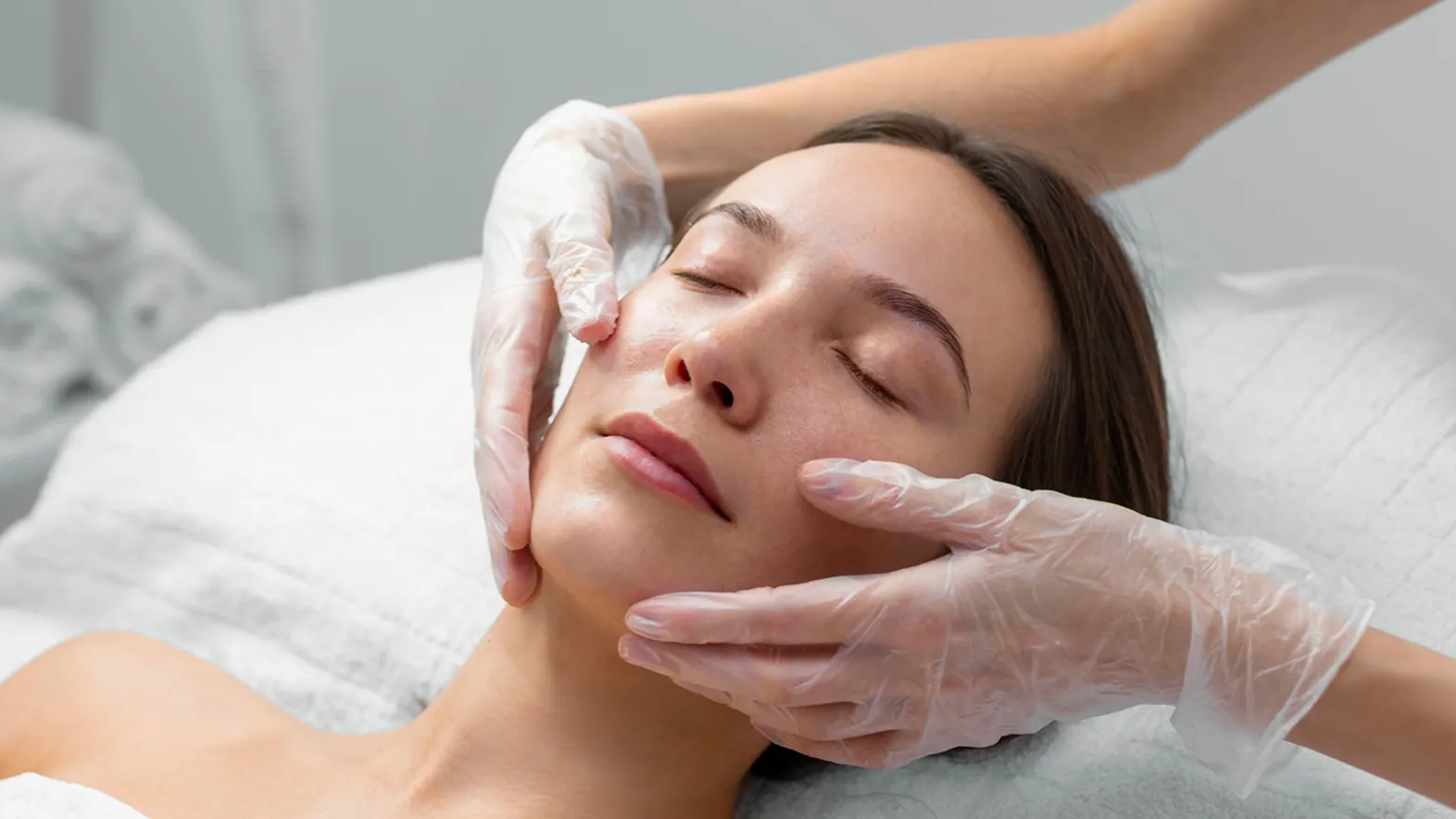
Buccal Far removal

What Can Affect My Recovery Timeline?

No two patients heal at exactly the same pace. Even when procedures are performed in a very similar way, the recovery can look very different from one person to the next. Several factors can influence how quickly you feel back to normal:

Type of Procedure Performed

Some of our surgeries involve more extensive tissue adjustment than others. A facelift or neck lift generally requires more recovery time than buccal fat removal or eyelid surgery.

Extent of Surgery

The more comprehensive the procedure, the longer your body needs to heal. For example, combining a facelift with a brow lift can create more dramatic results, but it also extends the recovery period compared to a single surgery.

Your Body’s Healing Response

Age, overall health, and your skin quality all play a role in how efficiently your body heals. Non-smokers and patients with good circulation often experience a smoother recovery.

Aftercare Compliance

Following Dr. Mourad’s instructions is one of the biggest factors in recovery. Proper incision care, activity restrictions, and scheduled follow-up visits all support faster and safer healing.

Lifestyle Factors

Nutrition, hydration, sleep, and stress management can impact your recovery just as much as the surgery itself. Giving your body what it needs helps minimize the swelling and speeds up the return to normal activities.

Tips for a Smoother Facial Plastic Surgery Recovery

Many people don’t realize that a successful recovery doesn’t just depend on the procedure itself. It also depends on how well you care for yourself afterward in the days and weeks that follow. These steps can make the healing process more comfortable and help you get back to daily life with confidence:
  • Plan for Rest: Give yourself plenty of downtime in the first week (and maybe longer). Arrange for help at home if needed so you can focus on healing and rest.
  • Follow Dr. Mourad’s Instructions: Every detail matters, from how to clean incisions to when you can resume exercise. Sticking to the plan supports safe, steady progress.
  • Manage Swelling and Discomfort: Cold compresses and keeping your head elevated can reduce swelling. Dr. Mourad might also recommend medication to keep you comfortable.
  • Protect Your Results: Avoid any strenuous activity, sun exposure, and anything that could strain your healing tissues. Protecting your skin and surgical sites now will pay off later.
  • Stay Patient: Healing happens in many stages. Even if you feel better quickly, remember that your body is still working beneath the surface. Trust the process and allow time for your results to fully settle.

Why Patients Trust Dr. Mourad

Patients choose Mourad NYC because of the individualized attention, advanced surgical skill, and natural-looking results. Dr. Mourad has built his reputation on creating facial enhancements that look seamless rather than looking surgical. His experience in multiple facelift techniques allows him to recommend the best approach for your face and lifestyle.
From consultation to recovery, you will receive attentive, expert care. Dr. Mourad does not take shortcuts, and he will only recommend surgery if he believes it will provide real value. He stays personally involved throughout the entire process, offering the kind of hands-on support that makes all the difference in how you look and feel after surgery.
Proper incision care

Schedule Your Appointment 
with Dr. Mourad

If you are considering facial plastic surgery and want results that enhance your natural beauty without looking overdone, schedule a consultation with Dr. Moustafa Mourad today. You will receive personal, expert guidance at every step—from your first visit to your final result.

From Our Blog

Facelift Revision
December 30, 2025 | Dr. Moustafa Mourad | Uncategorized

Facelift Revision: When to Consider a Touch-Up and How to Avoid Overcorrection

A great facelift can refresh the face and neck for 10 years or more. But aging doesn’t stop, everyone’s anatomy is a little different, and healing has a mind of its own. For some patients, a second, smaller procedure—a revision or touch-up—can sharpen the result, fix early issues, or correct an imbalance that showed up during recovery. The trick is knowing when to step in, what to do, and how to do it with a light hand—so you don’t drift into overcorrection.
READ THE ARTICLE
FACE-Q improvements
December 30, 2025 | Dr. Moustafa Mourad | Uncategorized

How AI Is Changing Facelift Planning: From 3D Simulation to Predictive Healing Models

Artificial intelligence is reshaping aesthetic surgery far beyond photo filters and those glossy before–after galleries. In facelift planning especially, AI now covers the whole journey—from high-fidelity 3D capture and biomechanical simulation to models that predict when swelling will settle and how scars will mature.
READ THE ARTICLE
Massage Therapy
December 30, 2025 | Dr. Moustafa Mourad | Uncategorized

Postoperative Taping, Massage, and Lymphatic Care: What Actually Works

Swelling, pain, and scarring after surgery—everyone deals with them. Patients want a smoother, faster recovery; clinicians want tools that are safe, evidence-based, and realistic to use in clinic. The problem? There’s a lot of noise out there, especially around taping, massage, and “lymphatic” techniques.
READ THE ARTICLE
Facial Rejuvenation
December 23, 2025 | Dr. Moustafa Mourad | Uncategorized

The Future of Facial Rejuvenation: Biologic Facelifts, PDRN, and Stem Cell Integration

Facial rejuvenation is evolving from traditional lifting toward biologic, regenerative approaches that rebuild skin quality from within. This article explores biologic facelifts, PDRN, and stem cell–informed strategies, highlighting the science, protocols, and real-world considerations shaping the future of aesthetic medicine.
READ THE ARTICLE
X
Welcome to our website