Facelift Recovery Day by Day: Realistic Timelines and What to Expect

Choosing a facelift is both a beauty decision and a promise you make to your future self. The surgeon’s skill shapes the result—but your recovery determines when you get to see it. Below is a clear, practical roadmap of what most patients experience, from day one through the finishing touches, so you can plan ahead and spot what’s normal versus what needs a quick call to your surgeon.

Preoperative Determinants That Shape Recovery

No two recoveries are identical. A handful of factors—some about you, some about the operation—affect how long you’ll swell and bruise, how you’ll feel, and how likely you are to develop a complication.
 
Patient variables
  • Age and skin quality: Thicker, oilier skin tends to swell more (but handles tension better). Thin, sun-damaged skin bruises easily and needs extra-gentle tension control.
  • Smoking and nicotine exposure: Nicotine clamps down blood vessels and raises the risk of skin flap ischemia and wound problems. Most surgeons require strict nicotine avoidance for weeks before and after surgery.
  • Hypertension: Higher blood pressure raises hematoma risk—especially in the first 24–72 hours. Good control before surgery and careful monitoring after are key.
  • Bleeding risk: Aspirin, nonselective NSAIDs, anticoagulants, and supplements like fish oil, vitamin E, ginkgo, and garlic can increase bleeding. Your surgeon will advise what to stop and when (always follow medical guidance).
  • Gender and anatomy: Men have a higher hematoma risk, partly due to more vascular, beard-bearing skin.
Surgical technique differences
  • SMAS plication/imbrication: Less undermining with suturing of the SMAS can mean a shorter recovery and less swelling for some—though results depend on both technique and anatomy.
  • Deep-plane and high-SMAS facelifts: Deeper dissection releases ligaments and repositions the midface and jowls more anatomically. Many patients get beautifully natural results with solid skin perfusion, but some notice more internal swelling for 2–3 weeks.
  • Ancillary procedures: Neck platysmaplasty, submental liposuction, fat grafting, a temporal brow lift, or eyelid surgery add operative time—and with it, more areas that can swell or bruise.
Anesthesia, duration, drains, compression
  • Anesthesia: Both general anesthesia and IV sedation are safe when done properly. Early recovery hinges on nausea control and stable blood pressure.
  • Operative duration: Longer operations usually mean more edema and fatigue afterward.
  • Drains: Closed-suction drains (e.g., JP) for 24–48 hours often help prevent fluid buildup; protocols vary.
  • Compression: Light wraps or garments support the tissues and limit swelling—too much pressure can harm the skin.
Pathophysiology of swelling, bruising, and pain
  • Swelling (edema) comes from inflammation and temporarily disrupted lymphatics. It peaks in the first 72 hours, then eases.
  • Bruising (ecchymosis) is blood from tiny capillaries in the surgical planes—gravity can pull it into the neck or even the upper chest.
  • Pain is usually moderate, driven by inflammation and that “tight” feeling from lifted tissues. A thoughtful pain plan keeps it controlled.

Facelift Recovery

Days 0–2: Immediate Postoperative Phase

These first 48 hours set the tone. The goals? Keep blood pressure steady, prevent nausea, and avoid excess swelling or bleeding.
 
PACU to home: dressings, drains, head elevation, and cold compress use
  • Expect a bulky head wrap and possibly small drains behind the ears or in the neck.
  • Sleep and rest with your head up 30–45 degrees to limit swelling.
  • Use cold compresses in short bursts (10–15 minutes on, 20 off) while awake for the first 48 hours. Don’t press directly on incisions or lifted skin.
  • Skip tight, heavy ice packs over the cheeks or behind the ears—those zones need gentle blood flow.
Analgesia and antiemetics: multimodal pain control and nausea prevention
  • Typical plan: scheduled acetaminophen, a selective NSAID when approved (e.g., celecoxib), and a small amount of short-acting opioid as needed.
  • Antiemetics like ondansetron and/or a scopolamine patch reduce vomiting—important, because vomiting spikes blood pressure and can trigger bleeding.
  • Take meds with a little food and keep fluids going.
Normal vs. concerning symptoms
  • Normal: Tightness, moderate swelling, mild drain output, low-grade bruising, and a bit of asymmetry from swelling or dressings.
  • Concerning: Rapid, tense swelling on one side, sudden pain escalation, skin turning dusky/purple, or brisk bleeding. Hematoma risk is highest in the first 6–12 hours and still meaningful for 48–72—call your surgeon immediately if you suspect it.
  • Other red flags: Fever above your surgeon’s threshold, nonstop vomiting, or shortness of breath warrant urgent evaluation.
Home care checklist
  • Wound hygiene: Follow your surgeon’s plan. Many allow gentle showering after 24–48 hours. Keep incisions clean and dry, and apply a thin layer of petrolatum or prescribed ointment.
  • Medications: Take exactly as directed. Avoid unapproved OTCs or supplements that raise bleeding risk.
  • Hydration and nutrition: Small, protein-rich meals help. Go easy on salt—it worsens swelling.
  • Early ambulation: Short, frequent walks lower clot risk and help you feel better without strain.

Days 3–7: Acute Recovery Milestones

You’ll usually feel more like yourself now—even if swelling and bruising are very much still along for the ride.
 
First follow-up: dressing change, drain removal, and incision assessment
  • Most drains come out within 24–48 hours once output is low. Bulky dressings are swapped for lighter wraps.
  • Your surgeon will check skin perfusion, incision edges, and early bruising patterns—catching issues early is everything.
Activity and sleep: neck positioning, light mobility, and blood pressure control
  • Keep sleeping with your head elevated. Avoid neck flexing or twisting that tugs on incisions or flaps.
  • Gentle walking is great; skip bending, heavy lifting, or straining. Keep blood pressure steady and avoid hot showers/saunas that cause vasodilation.
Neurologic expectations: numbness, stiffness, temporary weakness, and facial asymmetry
  • Numbness around the cheeks, ears, and neck is expected—and can last weeks to months as tiny nerves wake up.
  • A “stiff” or “full” feeling is normal from swelling and deeper tissue work.
  • Mild, temporary facial weakness can happen from local anesthetic, swelling, or neurapraxia—often the marginal mandibular nerve (lower lip asymmetry) or buccal branches. It usually improves over weeks. Report new or worsening changes promptly.
Complications surveillance: when to call
  • Hematoma: Sudden, one-sided swelling, pain, firmness, discoloration—urgent call.
  • Seroma: A fluid wave or swelling after drain removal—often handled with aspiration.
  • Infection: Rising redness, warmth, worsening pain, purulent drainage, or fever—get checked.
  • Skin compromise: Blistering, dusky color, or delayed capillary refill behind the ear or along the hairline—needs urgent assessment.
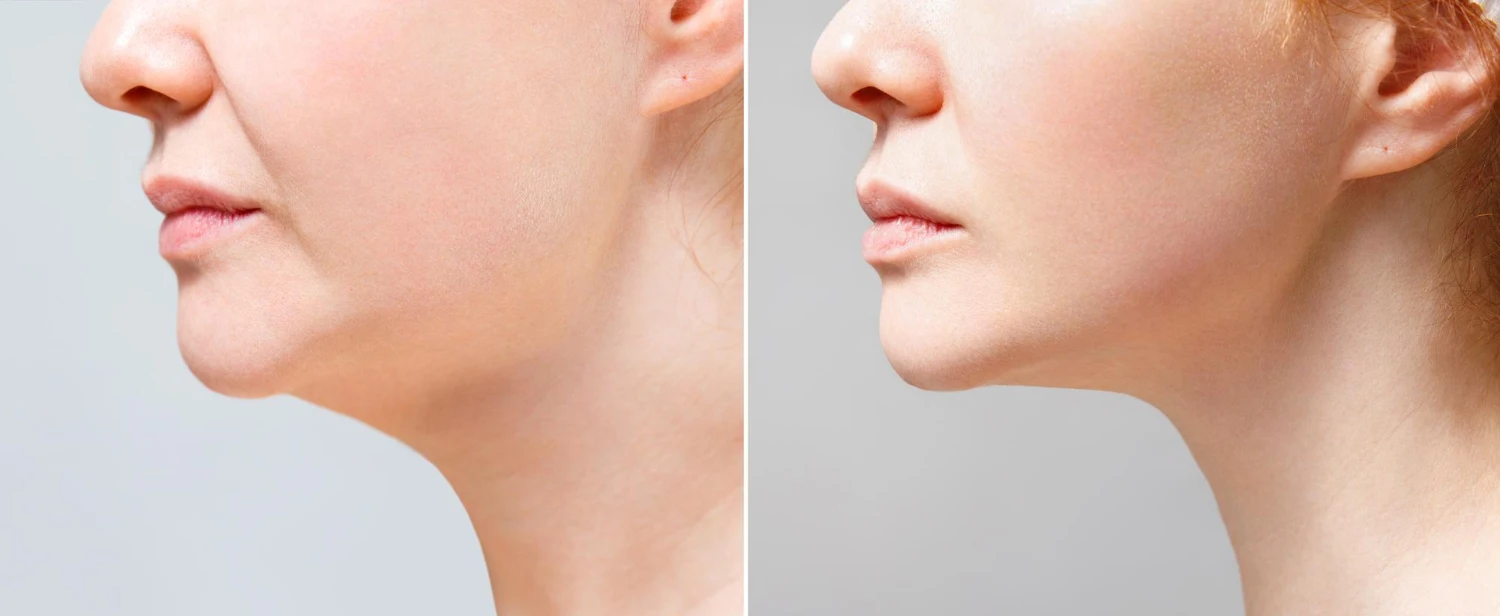
Facelift Recovery

Weeks 2–4: Transition Back to Routine

This is when most people turn the corner—less swelling, steadier comfort, and a more familiar face in the mirror.
 
Suture and staple removal: timing, technique, and aftercare
  • Preauricular sutures commonly come out around days 5–7. Postauricular/hairline sutures or scalp staples often come out around days 10–14.
  • After removal, keep cleansing gently and use a thin layer of ointment for a few days. Then start your surgeon’s scar-care plan.
Scar optimization: silicone therapy, sun protection, and lymphatic massage
  • Start silicone gel or sheeting once incisions are fully closed, and continue for 8–12 weeks to minimize thickening.
  • Sun protection is non-negotiable: daily broad-spectrum SPF 30+ and avoid direct sun on incisions for at least 6 months.
  • Gentle lymphatic drainage massage may begin around week 2 (if your surgeon agrees) to reduce edema and soften firmness.
Appearance planning: camouflage makeup, hairstyle strategies, and return-to-work timelines
  • Camouflage makeup is fair game once incisions are closed (often day 7–10). Green-tinted correctors help with redness; mineral formulas are usually well tolerated.
  • Hairstyles that drape the temples and behind the ears hide early scars nicely.
  • Many people return to non-strenuous work at 10–14 days—timing depends on bruising, swelling, and your comfort with being seen.
Physical activity: graded exercise progression and avoidance of Valsalva triggers
  • Light cardio (walking, gentle stationary cycling) usually resumes around week 2 if blood pressure behaves.
  • Hold off on heavy lifting, inversions, and high-intensity workouts that spike pressure until 4–6 weeks or until you’re cleared.
  • Avoid bearing down (Valsalva)—it can provoke bleeding or prolong swelling.

Weeks 4–12+: Remodeling, Refinement, and Long-Term Care

Now you’re playing the long game: settling, symmetry, and small refinements that elevate your result.
 
Edema resolution curve, tissue settling, and final contour expectations
  • By 4 weeks, 80–90% of swelling is typically gone, though a little puffiness—especially under the chin and along the jawline—may appear by evening.
  • Tissues remodel over 3–6 months. Scars can take 6–12 months to soften and fade.
  • Asymmetry is normal; faces aren’t perfectly matched. If something looks significantly off beyond the early months, bring it up.
Sensory recovery: paresthesia, itching, and timeline for nerve normalization
  • Tingling, itching, and little “zingers” often peak around 4–8 weeks—signs of nerve recovery.
  • Sensation usually improves steadily over 3–6 months. A small area of long-term numbness near the ear or scalp can persist but is typically subtle.
Adjunctive therapies: laser, microneedling, neuromodulators, fillers, and skincare
  • Vascular lasers (like pulsed dye) can target lingering redness and speed resolution of bruising as early as 2–4 weeks (if your surgeon approves).
  • Non-ablative fractional lasers or microneedling for texture are usually considered after 8–12 weeks when tissues are stable.
  • Neuromodulators at 2–4 weeks can fine-tune brow position or soften platysmal bands; fillers at 6–8+ weeks can balance volume once swelling settles.
  • A medical-grade regimen—retinoids (as tolerated), antioxidants, and daily sunscreen—pays dividends long term.
Follow-up cadence, managing expectations, and planning touch-ups if indicated
  • Typical follow-ups: 1 day, 1 week, 2 weeks, 6 weeks, 3 months, 6 months, and 1 year (tailored to your progress).
  • Bring up concerns at 3–6 months; most refinements or touch-ups wait until tissues fully settle.
  • Keep the relationship going with your surgeon or aesthetic team—they’ll guide maintenance to protect your investment.

Facelift Recovery

Realistic Day-by-Day Highlights at a Glance

  • Days 0–2: Swelling and bruising start; bulky wrap; head elevated; cold compresses; drains likely; highest vigilance for hematoma and blood pressure spikes.
  • Days 3–7: Drains out; lighter dressings; comfort improves; swelling/bruising continue; preauricular sutures commonly removed around day 5–7.
  • Days 8–14: Bruising fades; incisions mature; consider camouflage makeup; scalp staples or postauricular sutures usually out by day 10–14; many return to work.
  • Weeks 3–4: Most swelling subsides; light exercise resumes; silicone scar therapy and lymphatic massage underway; social confidence climbs.
  • Weeks 4–12: Refinement phase; residual swelling and firmness fade; add or ramp up adjunctive therapies as appropriate.

Practical Tips to Optimize Recovery

  • Set up your space: Extra pillows for elevation, essentials within arm’s reach, and premade meals make week one much smoother.
  • Control the controllables: Keep blood pressure steady, avoid nicotine, stay hydrated, and follow your medication plan to the letter.
  • Be kind to your hair: Use a wide-tooth comb near incisions; postpone coloring or chemical treatments until cleared (often 4–6 weeks).
  • Watch your skin closely: Behind the ear and along the hairline are higher-risk zones for skin issues—report color changes or blistering quickly.
  • Re-enter social life in steps: Start with virtual meetings or dim lighting, then ease into daylight as bruising and swelling fade.

Setting Expectations: Timelines and Variability

When will you feel “public-ready”? Many do at 10–14 days—with smart camouflage. But recovery is personal. Deep-plane or combined procedures can extend swelling a bit, often in exchange for more comprehensive, longer-lasting rejuvenation. Limited approaches may get you photo-ready a little sooner but improve fewer areas. In the end, the quality of the result comes from careful planning, meticulous technique, and sticking to evidence-based aftercare.

Conclusion

Think of facelift recovery as a series of predictable phases—each with its own focus. In the first 2–3 days, the job is protecting your result: control blood pressure, preserve skin perfusion, prevent nausea. By week 2, you’ll shift to optimization: scar care, gentle activity, and appearance strategies. From weeks 4–12 and beyond, swelling fades, sensation normalizes, and selective treatments can refine your outcome.
 
The bottom line: keep communication open and follow up as directed. When in doubt—call your surgeon. Early reassurance and timely tweaks are the easiest way to stay on track and enjoy the investment you’ve made in your face and neck.
Proper incision care

Schedule Your Appointment 
with Dr. Mourad

If you are considering facial plastic surgery and want results that enhance your natural beauty without looking overdone, schedule a consultation with Dr. Moustafa Mourad today. You will receive personal, expert guidance at every step—from your first visit to your final result.

From Our Blog

Facelift and Neck Lift
February 6, 2026 | Dr. Moustafa Mourad | Uncategorized

Facelift and Neck Lift: Why They’re Often Done Together

A well-done lower facelift can sharpen the jawline, soften jowls, and restore midface support. A precise neck lift can refine the cervicomental angle and correct banding or fullness under the chin.
READ THE ARTICLE
The Science of Aging
February 5, 2026 | Dr. Moustafa Mourad | Uncategorized

Mini Facelift vs. Full Facelift: How to Choose the Right Procedure for You

A sharp jawline isn’t just an aesthetic ideal—it’s the visible result of how skin, fat, fascia, ligaments, and bone work together. With time, that system loses tension and volume.
READ THE ARTICLE
Best Age for a Facelift
February 2, 2026 | Dr. Moustafa Mourad | Uncategorized

What’s the Best Age for a Facelift? Follow the Clues in Your Skin and Anatomy

Picking the “right” age for a facelift isn’t about the number on your birthday cake—it’s about what your tissues can still do. Skin elasticity, the strength of your SMAS (the facial support layer)
READ THE ARTICLE
The Science of Aging
February 1, 2026 | Dr. Moustafa Mourad | Uncategorized

The Science of Aging: How Facial Ligaments Influence Sagging and Jawline Definition

A sharp jawline isn’t just an aesthetic ideal—it’s the visible result of how skin, fat, fascia, ligaments, and bone work together. With time, that system loses tension and volume.
READ THE ARTICLE
X
Welcome to our website