Foundational Anatomy and Surgical Principles
The SMAS, deep plane, and retaining ligaments: what they are and why they matter
- SMAS (superficial musculoaponeurotic system): A fibromuscular layer that wraps the facial expression muscles and continues into the platysma in your neck. It helps you animate and gives the skin above it much of its structure.
- Deep plane: The layer beneath the SMAS and above the sturdier parotid–masseteric fascia and periosteum. In a deep plane facelift, the surgeon lifts the SMAS-platysma complex off those fixed structures and releases key retaining ligaments.
- Retaining ligaments: Fibrous anchors that tether the mobile SMAS–skin envelope to fixed points. The big players:
- Zygomatic (zygomatico-cutaneous) ligaments along the outer cheek
- Masseteric cutaneous ligaments over the masseter muscle
- Mandibular retaining ligament at the jowl–mandible junction
- Platysma-auricular ligaments in the lateral neck
Vascular and neural considerations: nerves, blood supply, and safety
- Facial nerve “watch zones”:
- Temporal (frontal) branch as it sweeps over the zygomatic arch toward the forehead
- Zygomatic/buccal branches traveling deep to the SMAS across the cheek, often coming closer to the surface near the lateral border of the zygomaticus major
- Marginal mandibular branch near the jawline—sometimes superficial to the facial vessels
- Cervical branch along the lower neck
- Sensory nerves: The great auricular nerve (at Erb’s point on the sternocleidomastoid) supplies sensation to the ear and nearby skin—preserving it reduces numbness.
- Perfusion: Skin stays healthy thanks to the subdermal plexus fed by perforators from the facial, transverse facial, and infraorbital vessels. By working under the SMAS and avoiding wide skin undermining, deep plane techniques tend to preserve blood flow and reduce skin-tension problems.
Vector theory and three-dimensional repositioning of descended tissues
Youthful faces aren’t stretched; they’re lifted—along the same lines tissues fell:
- Vertical/superomedial vectors elevate the malar fat pad and soften nasolabial folds.
- Superolateral vectors refine the jawline and neck, restoring a crisp cervicomental angle.
Deep vs. superficial SMAS manipulation: the biomechanics in plain English
- Superficial techniques (skin-only or SMAS plication/imbrication) tighten skin or fold/suture the SMAS without fully releasing ligaments. They can improve jowls but struggle with true midface descent—and may lean on skin tension, increasing relapse and that “pulled” look.
- Deep plane dissection releases the main ligament restraints, so the whole facial envelope can be repositioned without skin tension. The heavy lifting happens on strong fascial anchors—delivering more durable and natural results.
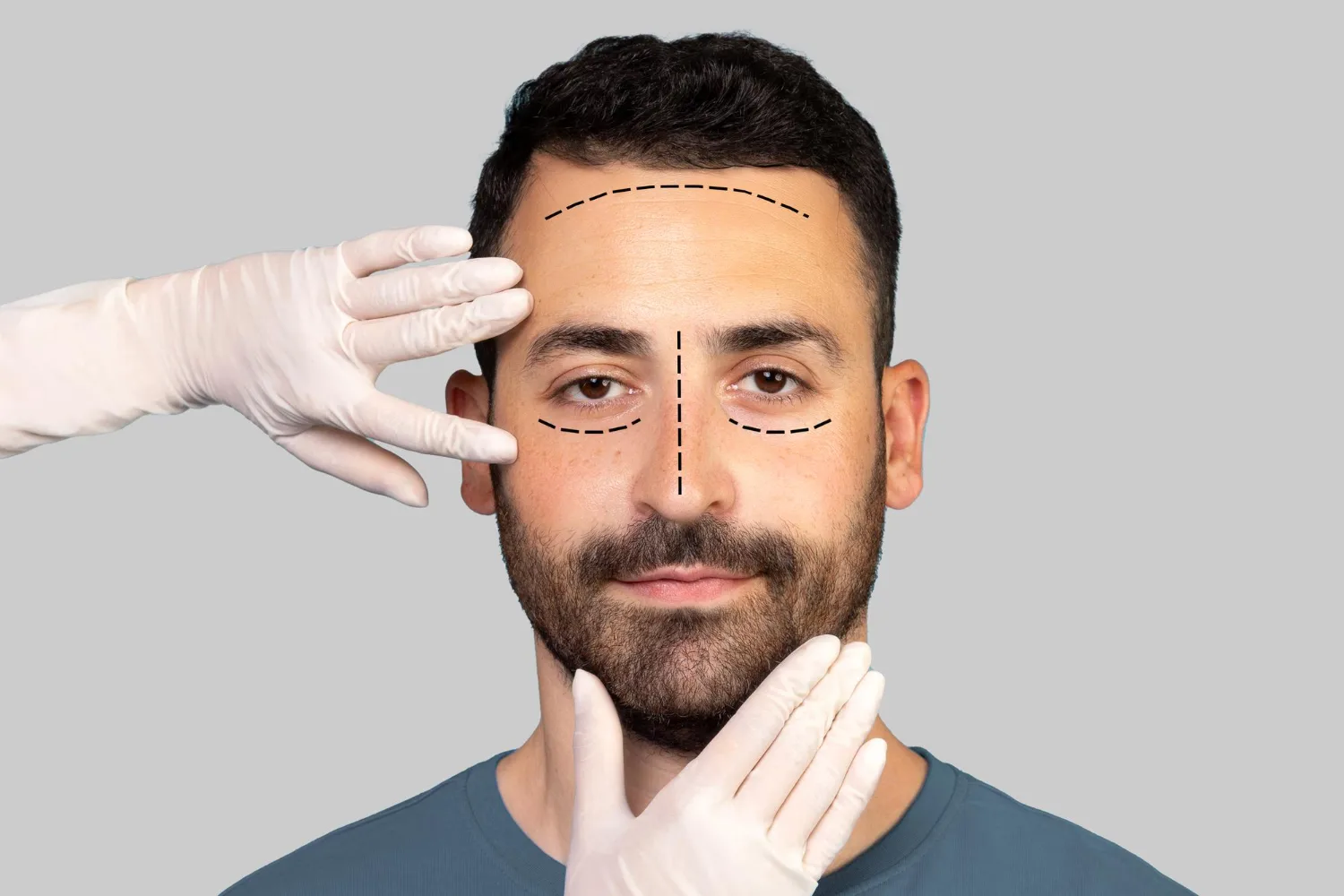
Comparative Outcomes: Deep Plane vs. SMAS Plication and Other Methods
Durability and longevity: what holds up over time?
Because deep plane techniques release and resuspend tissues at their true support layer, they don’t rely on skin tension. That means less “snap-back” and early relaxation. Results vary patient to patient, but many surgeons see better midface longevity and steadier jawline definition over time than with skin-only or SMAS plication approaches—especially in heavier tissues.
Natural expression—without mouth distortion or that “pulled” look
Move the SMAS and malar fat pad, don’t stretch the skin, and good things happen:
- Nasolabial and marionette lines soften without widening the mouth or flattening the smile.
- You avoid the lateral sweep and “wind-tunnel” effect from over-tightened skin.
- Animation stays natural because you’re restoring muscular vectors—not fighting them.
Indications, contraindications, and who’s a good fit
- Best candidates:
- Midface descent with noticeable nasolabial folds
- Jowling and a less-defined jawline with decent skin elasticity
- People who want natural results that last
- Revision cases after prior skin/SMAS-tightening procedures
- Relative contraindications:
- Active smoking or nicotine use (compromised blood supply)
- Uncontrolled hypertension or bleeding disorders
- Prior face/neck radiation
- Unrealistic expectations or difficulty following recovery instructions
- When simpler can be smarter:
- Early jowling in a younger patient with minimal midface descent may do well with a limited SMAS or mini-lift.
Complication profile: what to know and how pros reduce risk
- Hematoma: The most common early issue after any facelift. Risk drops with strict blood pressure control, meticulous hemostasis, and selective drains.
- Nerve injury: Temporary weakness (neuropraxia) can happen and usually resolves in weeks to months. Permanent motor deficits are rare with experienced surgeons. Proper deep plane dissection stays under the SMAS and respects nerve safety zones.
- Skin necrosis: Less likely when skin isn’t overly undermined and tension is minimized. Smoking raises risk.
- Seroma and contour irregularities: Uncommon with gentle flap handling and compression.

Patient Experience, Recovery, and Practical Considerations
Recovery timeline: what to expect and when you’ll feel “you” again
Every recovery is personal, but here’s the general arc:
- Days 1–3: Tightness and pressure. Swelling peaks—often most in the malar/midface with deep plane work.
- Days 4–7: Bruising changes color and starts to fade; sutures and drains (if used) come out per protocol.
- Days 10–14: Many patients feel “presentable” with makeup and hair styling; desk work is doable.
- Weeks 3–6: Residual swelling settles; early scar redness improves; light exercise returns.
- Months 3–6: Final polish—softening, sensation normalizing, and animation fully natural.
Post-op care: drains, compression, scars, and activity
- Drains: Some surgeons use small drains for 12–48 hours; others rely on meticulous hemostasis without them.
- Compression: A light facial wrap supports tissues and reduces swelling for 1–2 weeks.
- Scar care: Sun protection, silicone gel/sheets, and gentle massage help scars mature. If redness lingers, lasers or light devices can help.
- Activity: Avoid heavy lifting and strenuous exercise for about 3–4 weeks. Sleep with your head elevated the first week.
Cost, time in the OR, and how practices keep things efficient
- Operative time: Deep plane facelifts take longer than SMAS plication due to the precision involved—often 4–6 hours when combined with neck work and add-ons (fat grafting, blepharoplasty).
- Cost: Generally higher than mini-lifts because of time, expertise, facility, and anesthesia. Many patients feel the longevity and quality justify the investment.
- Efficiency: Practices specializing in deep plane techniques refine anesthesia, hemostasis, and closure workflows—without cutting corners on safety.
Choosing the right surgeon: training, volume, and real transparency
Look for:
- Board certification in Plastic Surgery (ABPS) or Otolaryngology–Head and Neck Surgery with Facial Plastic Surgery (ABOTo + AAFPRS)
- Fellowship training plus specific deep plane experience
- High annual case volume with consistent before-and-after photos of patients like you (age, skin type, gender)
- Clear discussion of complications, revision policies, and anesthesia safety
- An aesthetic eye that matches your goals—natural, balanced, age-appropriate


From Our Blog

What’s the Safest Age to Get a Facelift—and When Is It Too Early?
There isn’t a magic birthday for a facelift. The “safest” age is when your anatomy and skin will clearly benefit more from surgical lifting than from nonsurgical fixes—and when your health makes an elective procedure low risk.
READ THE ARTICLE
Mini Facelift vs. Full Facelift: Technical Differences, Candidacy, and Outcomes
A facelift isn’t one single operation—it’s a range of techniques tailored to how (and where) you’re aging. “Mini facelift” and “full facelift” are common labels, but they point to very different levels of dissection, how deeply tissue is moved, and how much work is done in the neck.
READ THE ARTICLE
Is a Facelift Worth It Compared to Non-Surgical Alternatives? A Clinical, Economic, and Patient-Centered Analysis
Interest in facial rejuvenation has never been higher, but the menu of options—from injectables and energy devices to deep-plane facelifts—can feel overwhelming. Patients often ask a deceptively simple question: is a facelift “worth it” compared to non-surgical treatments?
READ THE ARTICLE
Do Facelift Scars Show, and How Can They Be Minimized?
Facelifts are meant to bring back the youthful look of the face and neck—not announce you had surgery. That said, every incision leaves a mark. The real question isn’t “Will there be scars?”
READ THE ARTICLE